AI Executive Office — CXO Assistant Platform
A multi-tenant AI Executive Office on Azure, architected as a decision intelligence platform rather than a chatbot with company data: a governed conversational layer over enterprise systems, specialist agents, decision intelligence and controlled execution, built for a sovereign public-sector scenario and for the commercial tenants that come after it.
30 views, each in three formats.
Open a view to read it in full. Every SVG carries its diagram source inside it, so it opens in diagrams.net fully editable with no import step; the draw.io files are the same diagrams as plain source.
-
01
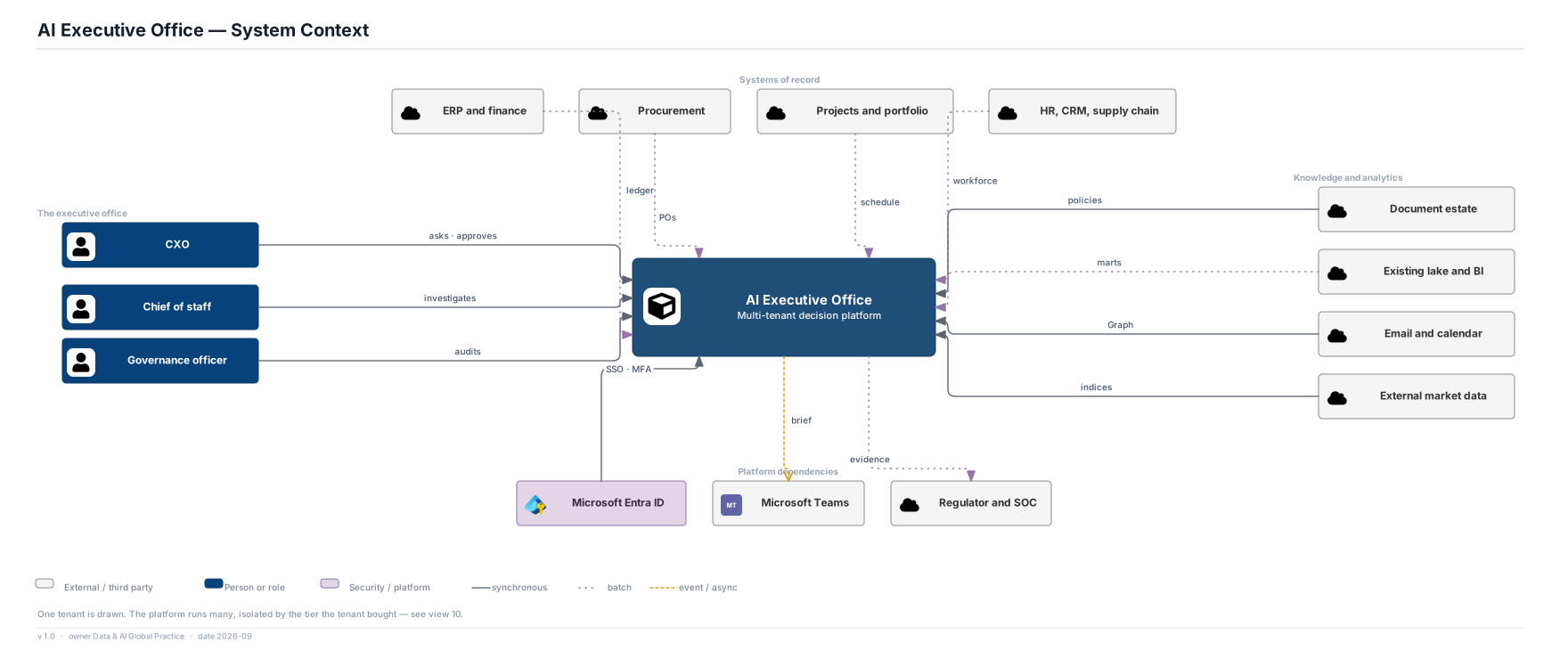
System Context
Who uses the executive office, what it depends on, and what has deliberately been left outside the line.
-
02
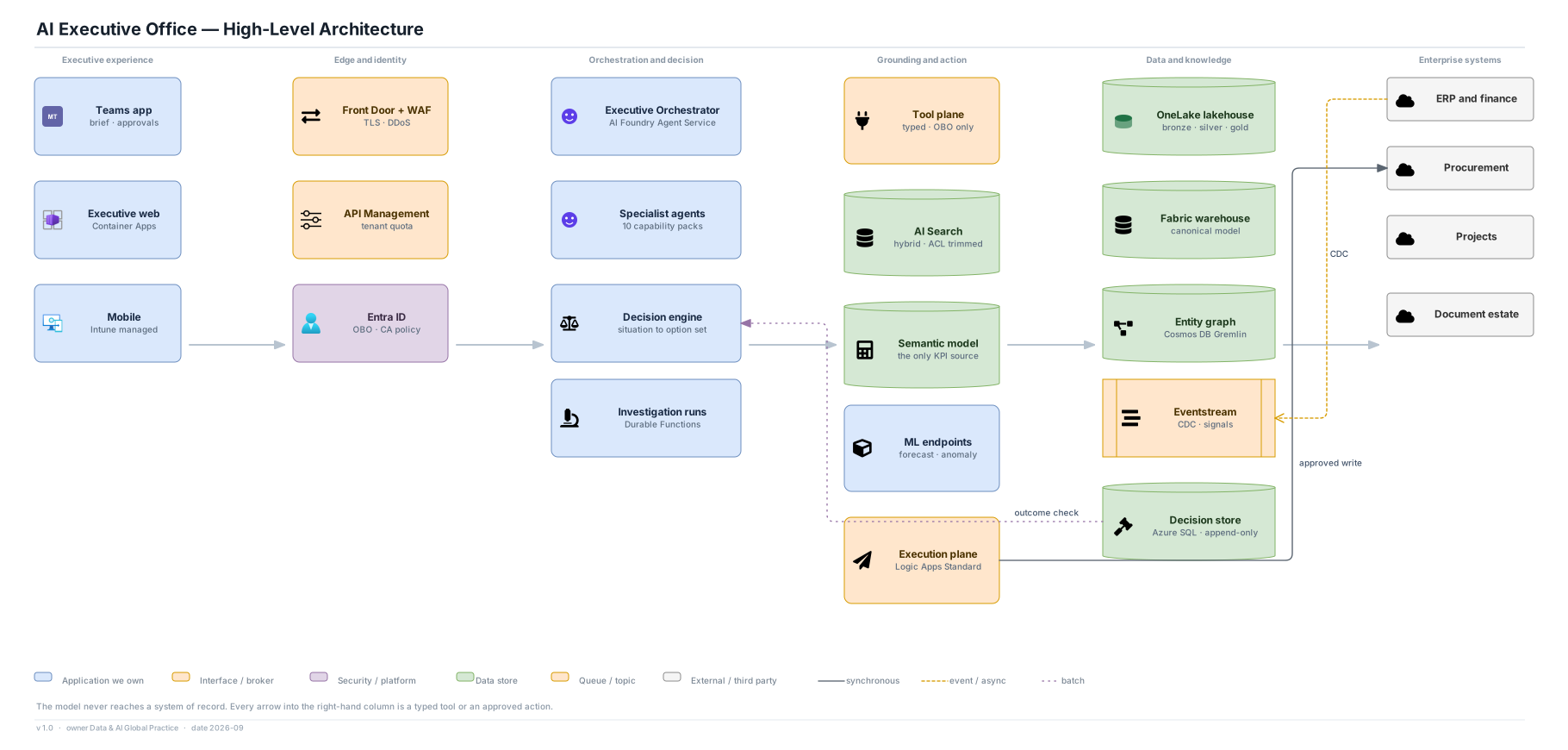
High-Level Architecture
The shape of the platform in one picture: six stages from an executive's question to a governed action.
-
03
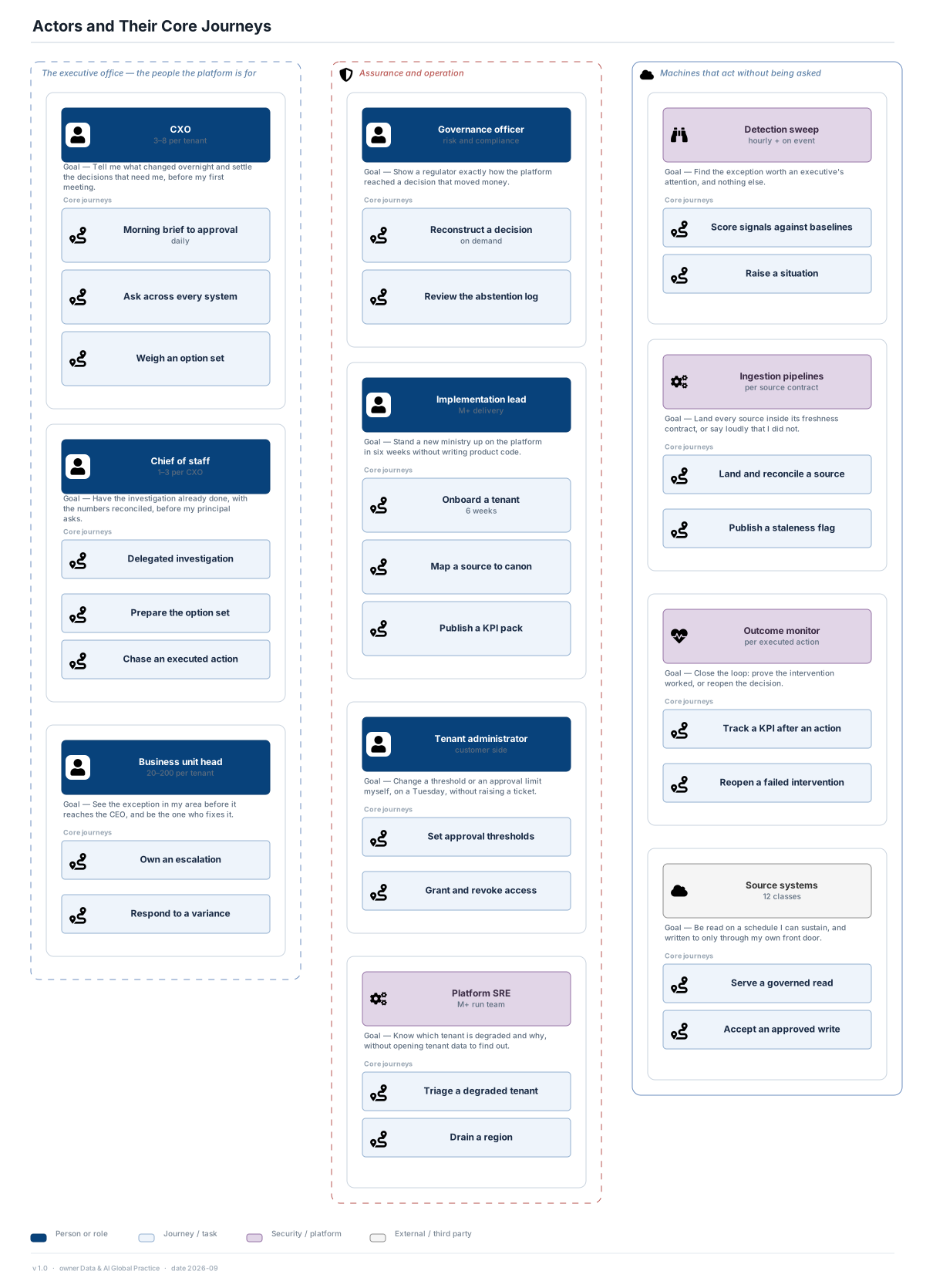
Actors and Their Core Journeys
Who the platform is for, in their own words, and the named things each of them gets to do with it.
-
04
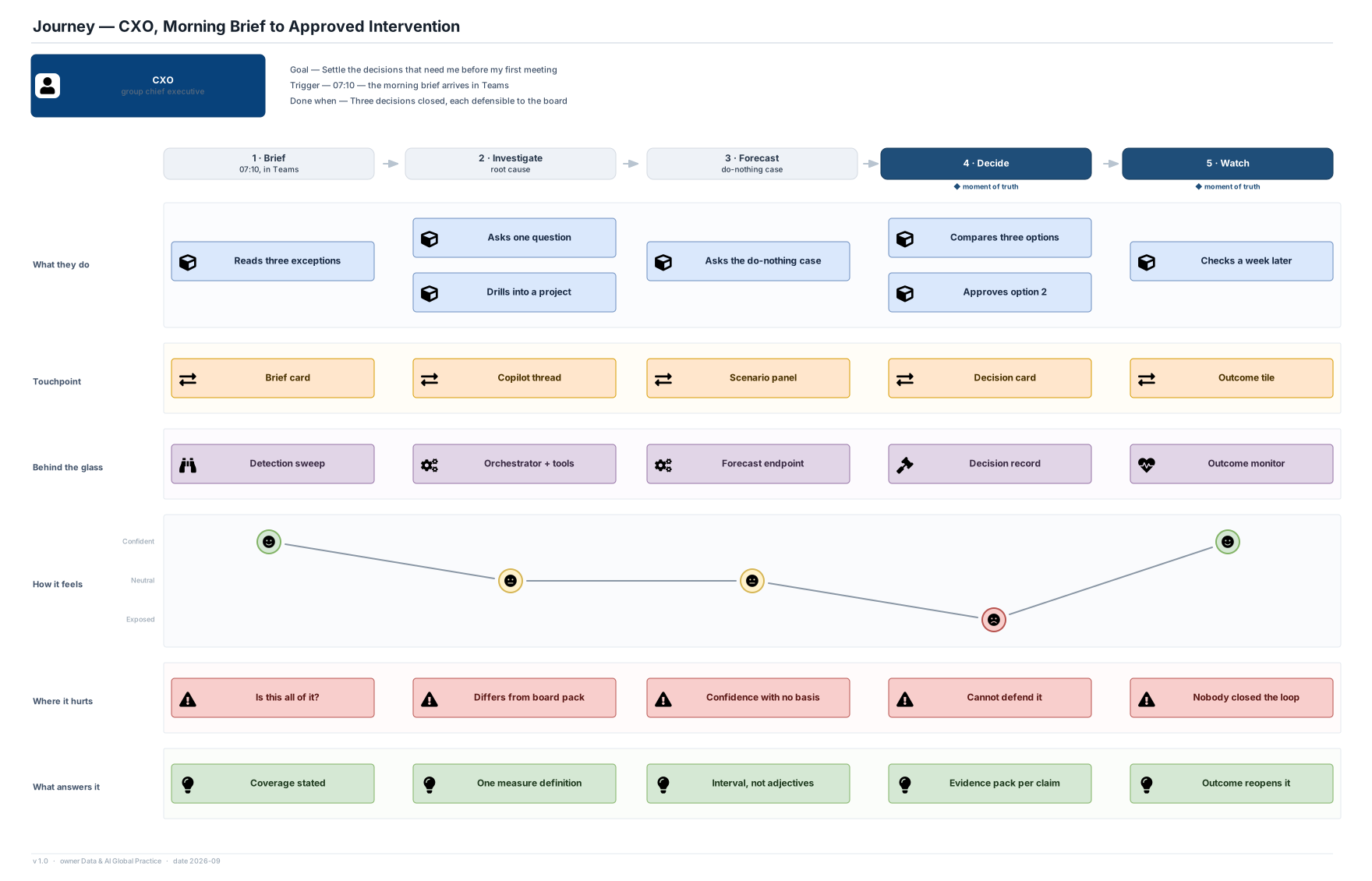
Journey — CXO, Morning Brief to Approved Intervention
The journey the platform exists for, and the moment it fails: being asked to approve on the strength of a number you cannot defend.
-
05
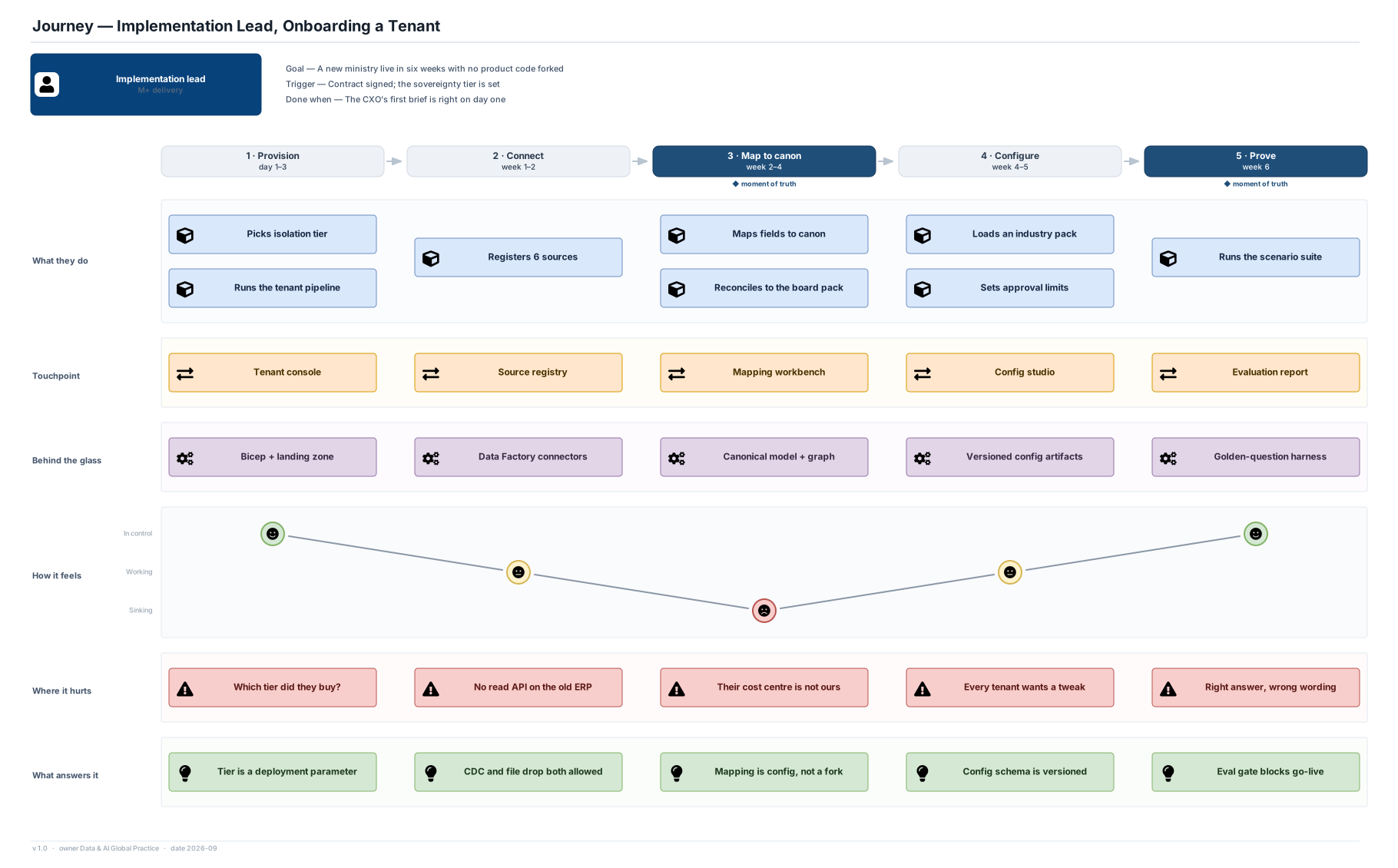
Journey — Implementation Lead, Onboarding a Tenant
The journey that decides whether this is a product or a bespoke build repeated: six weeks, no forked code.
-
06
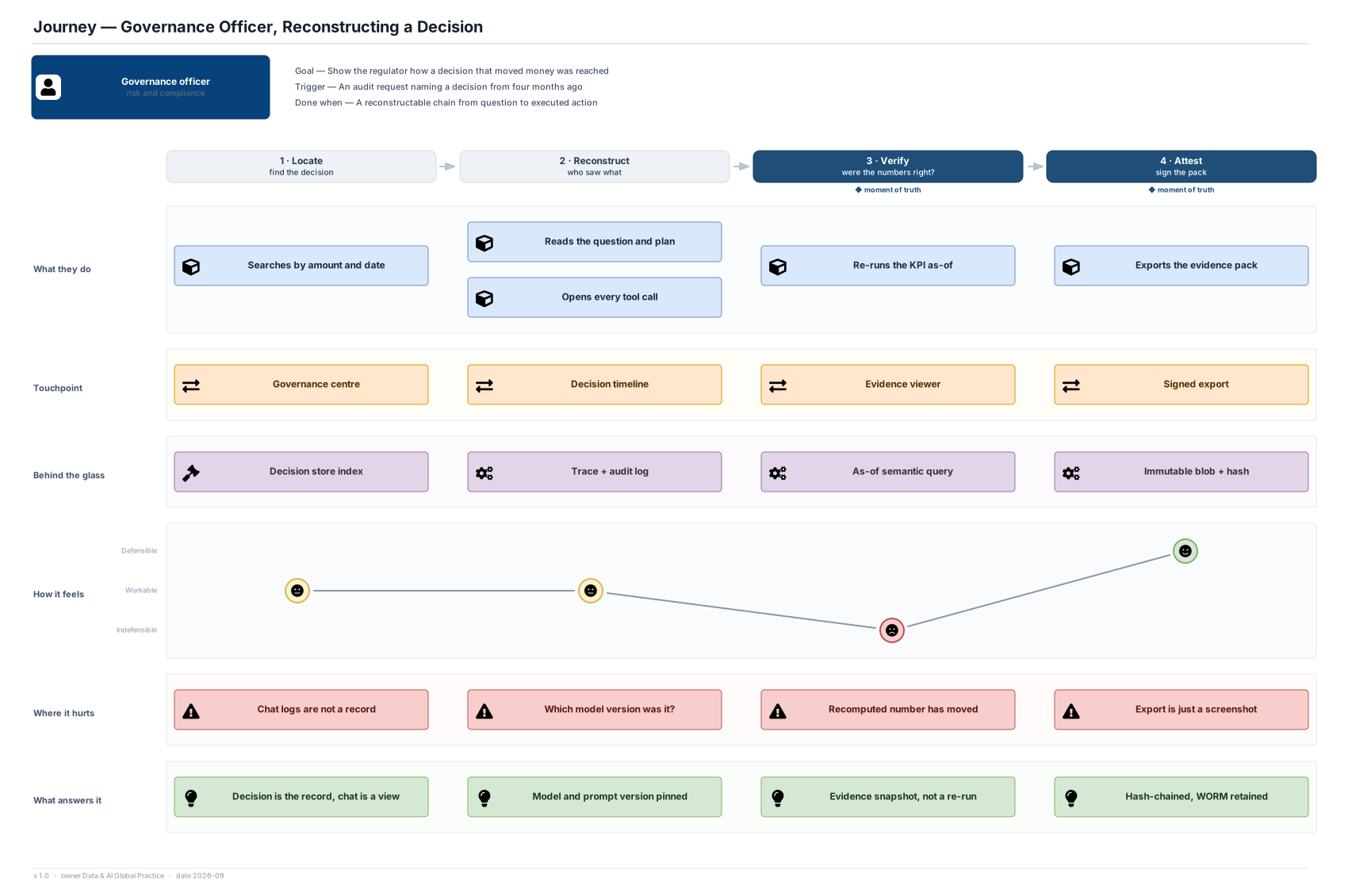
Journey — Governance Officer, Reconstructing a Decision
Four months later, a regulator asks how a decision that moved money was reached. This journey is the reason several other views exist.
-
07
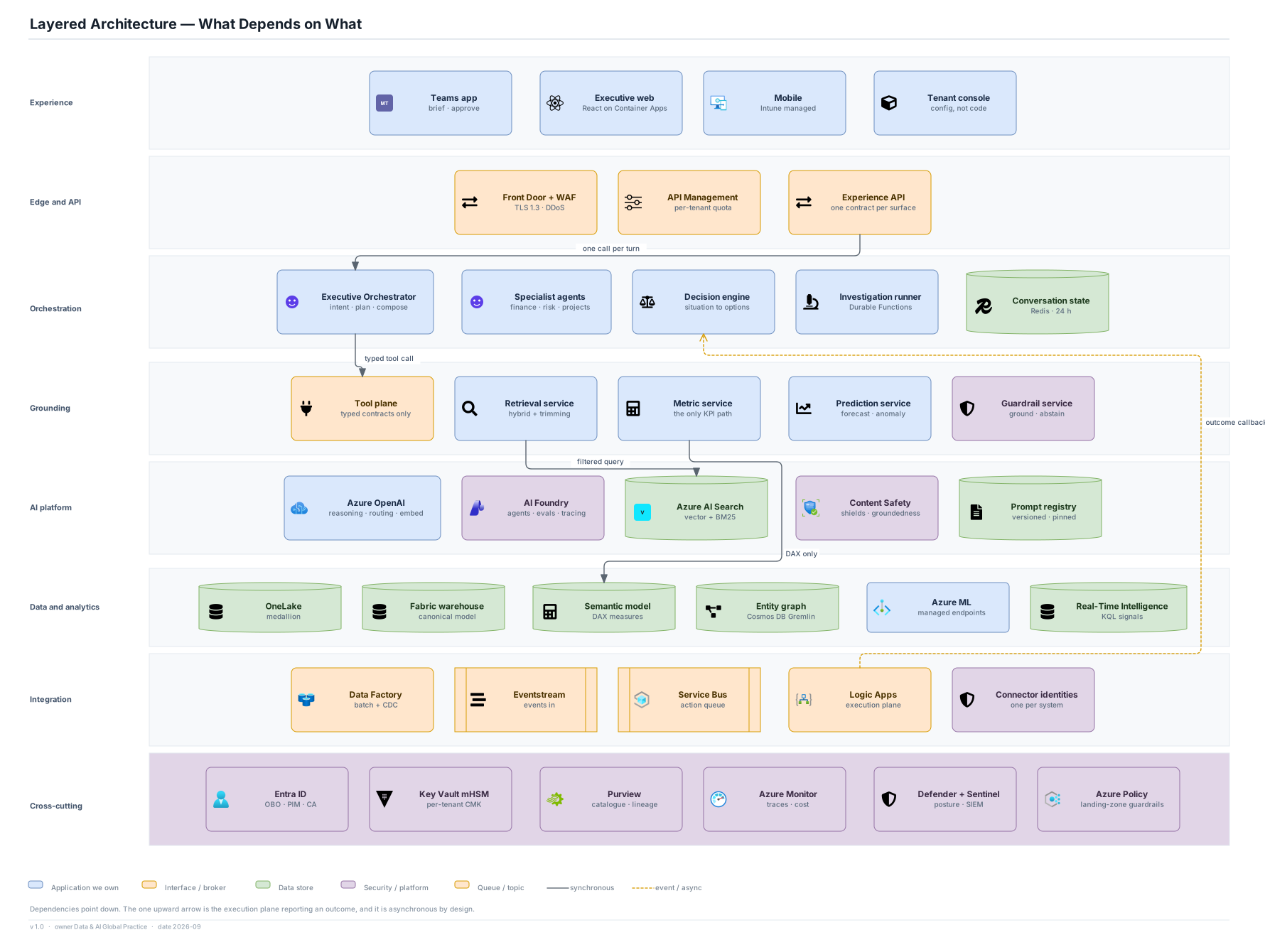
Layered Architecture
What depends on what, and the one dependency that is deliberately allowed to point the other way.
-
08
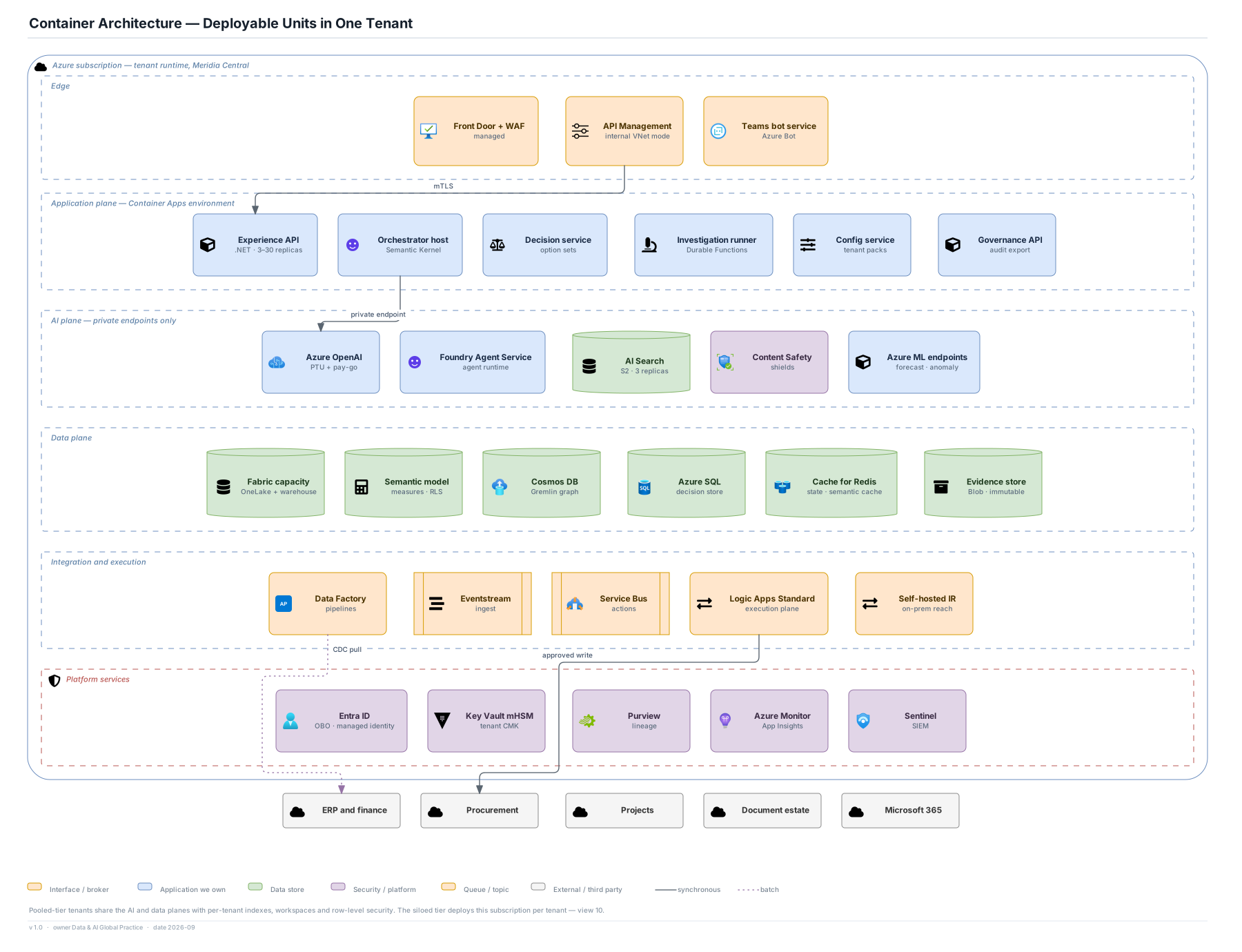
Container Architecture
The deployable units inside one tenant, the technology behind each, and which of them holds a credential.
-
09
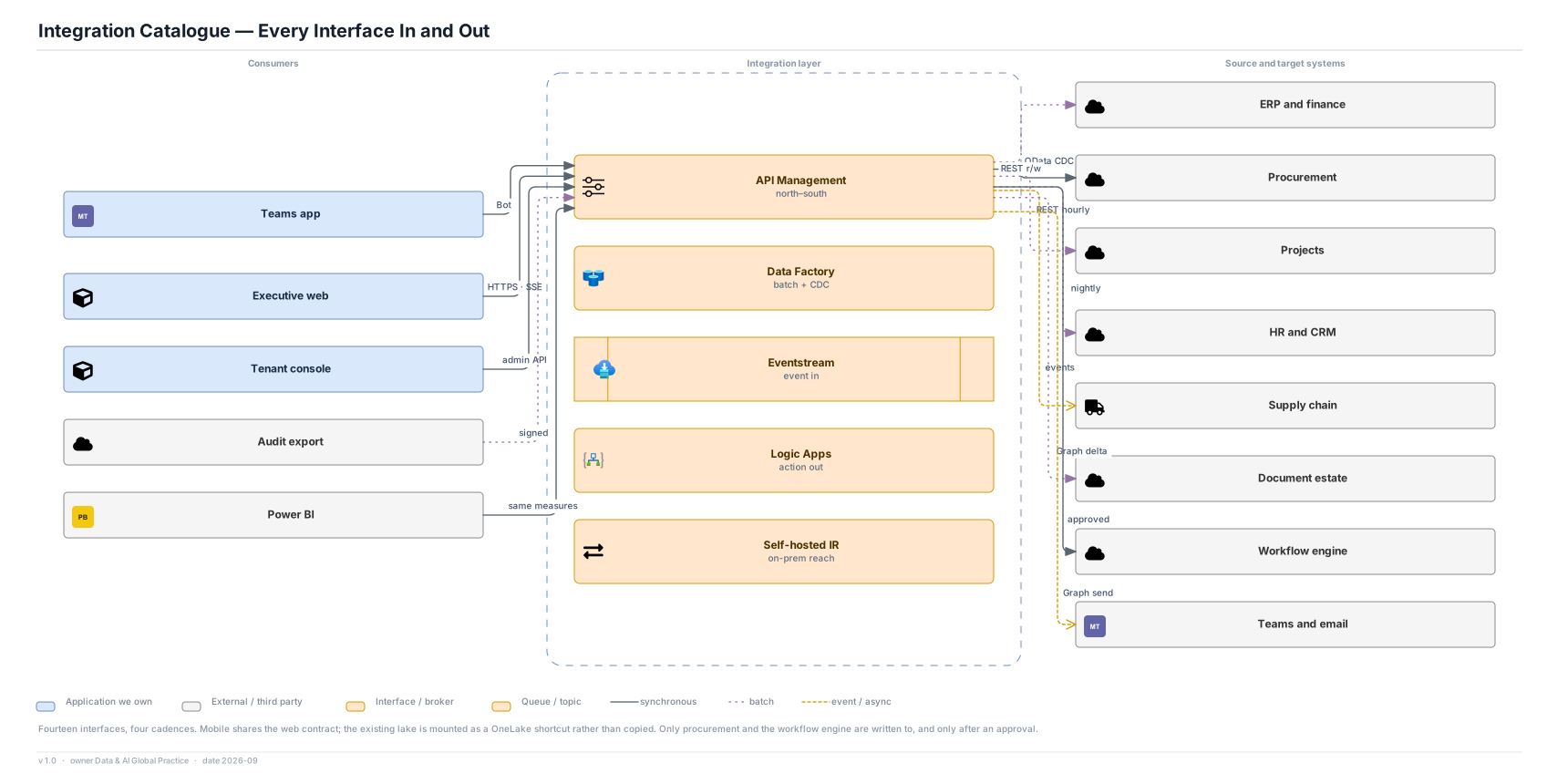
Integration Catalogue
Every way the platform touches another system, with protocol, cadence and direction — including the two it is allowed to write to.
-
10
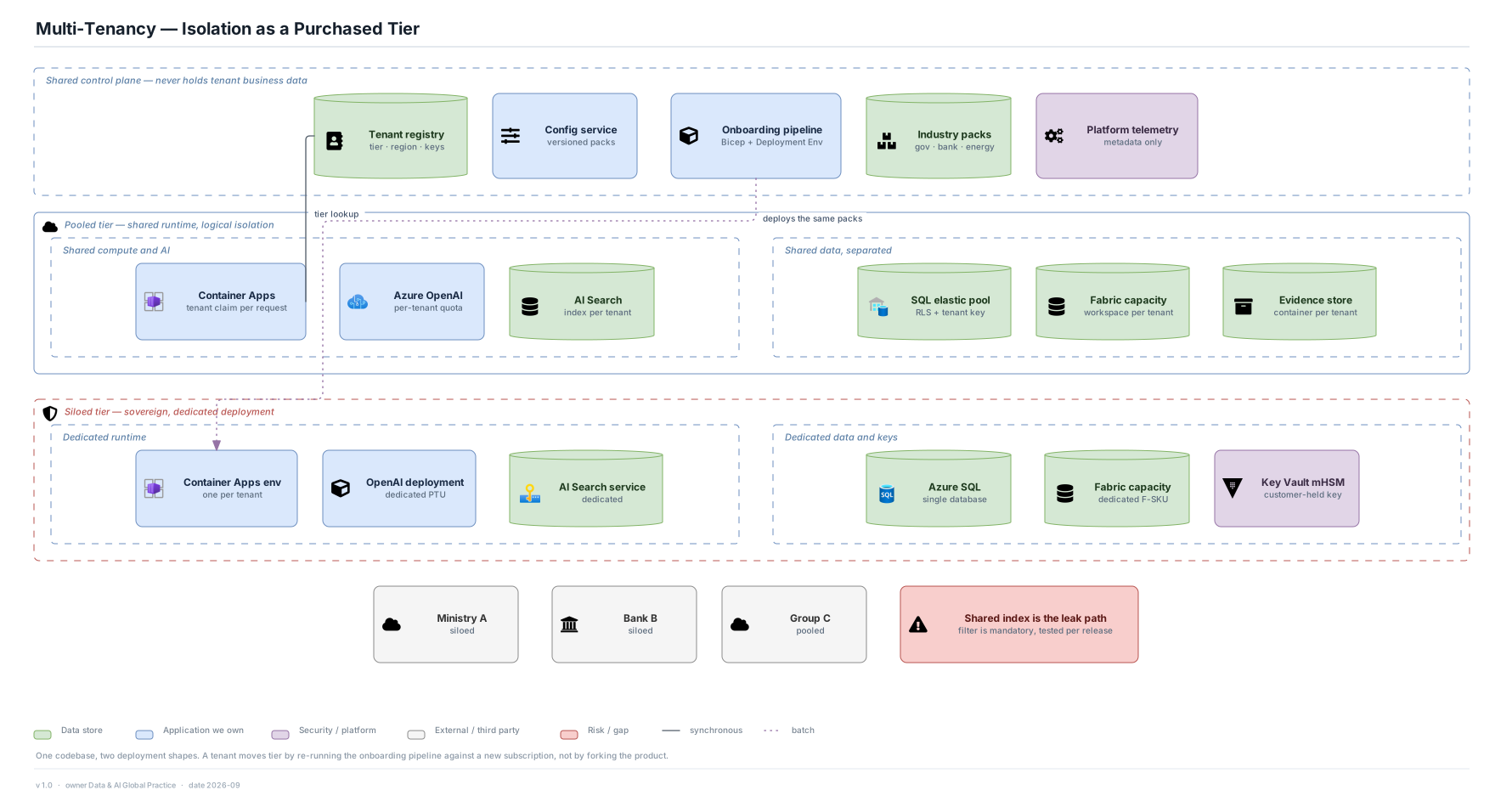
Multi-Tenancy and Isolation
One codebase, two deployment shapes, and isolation sold as a tier rather than promised as a property.
-
11
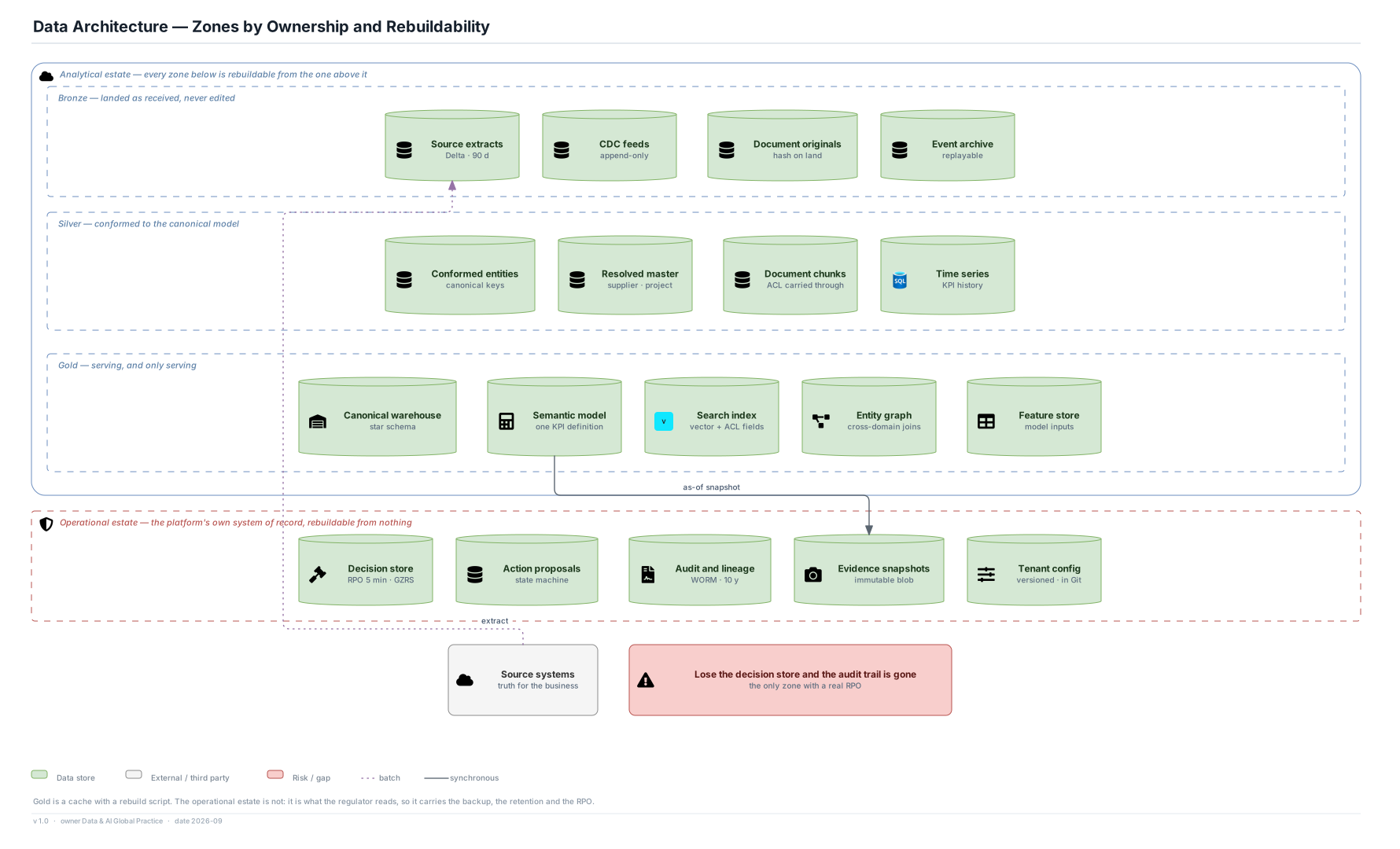
Data Architecture — Zones by Rebuildability
Which stores are a cache with a rebuild script, and which one is the thing a regulator reads.
-
12
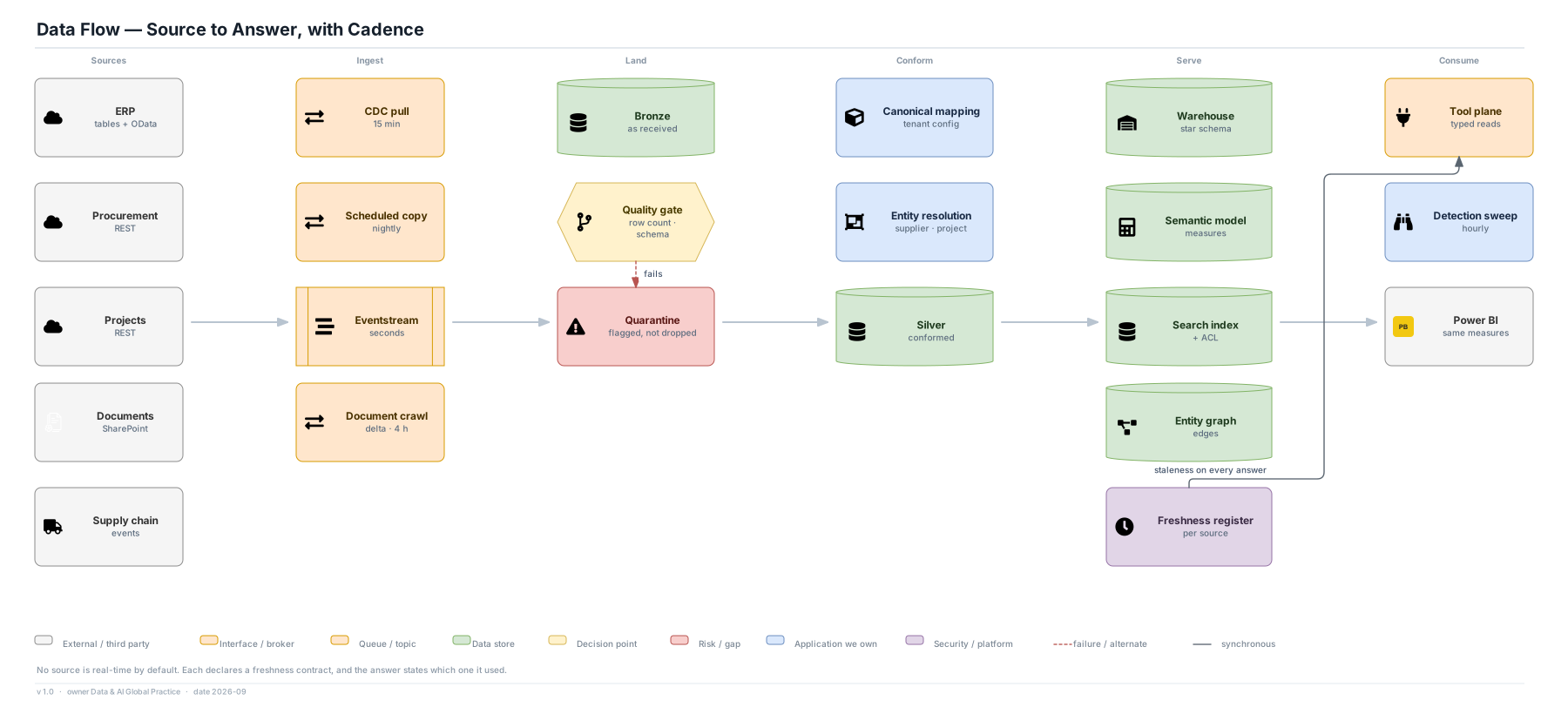
Data Flow — Source to Answer
Where data comes from, at what cadence, and what happens to a batch that fails its quality gate.
-
13
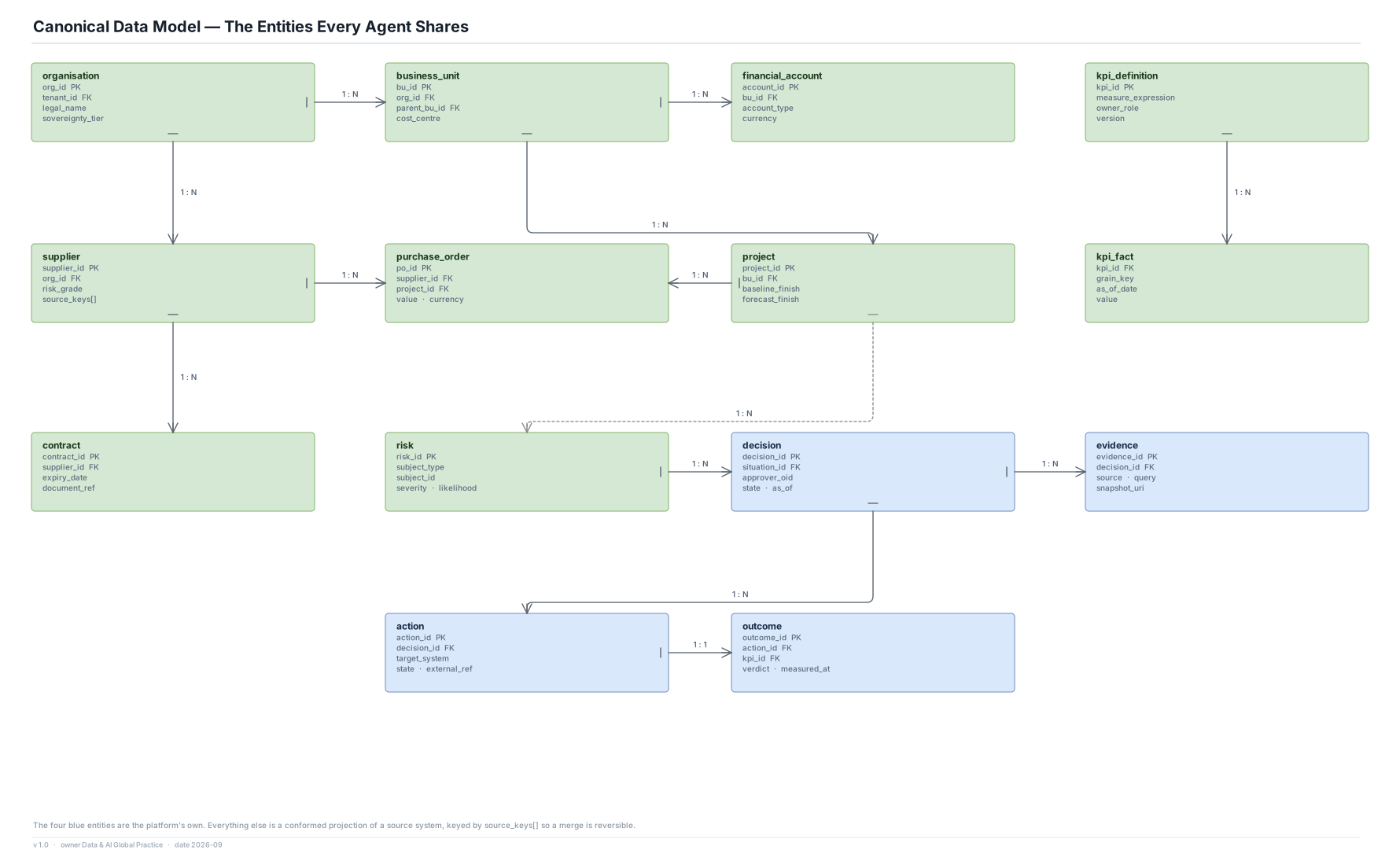
Canonical Data Model
The entities every agent shares — and the four the platform owns, which exist in no source system.
-
14
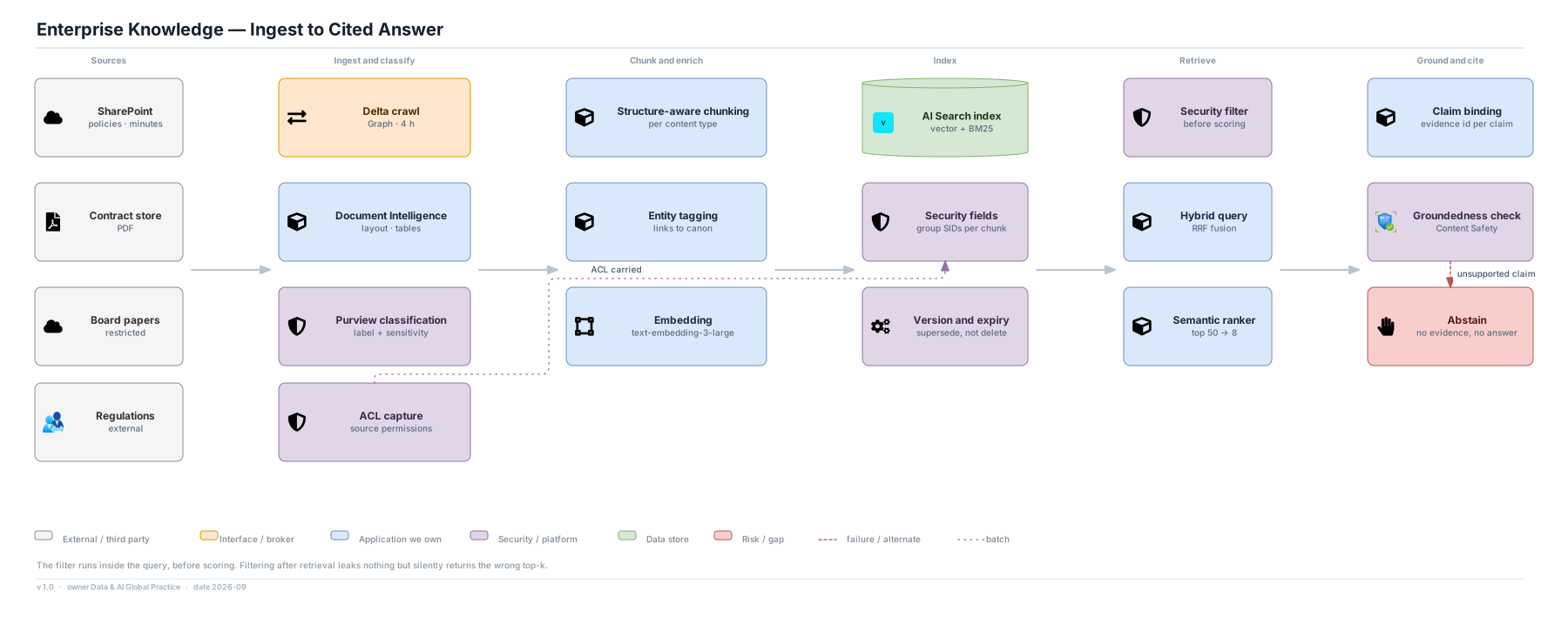
Enterprise Knowledge — Ingest to Cited Answer
How a policy, a contract or a board paper becomes a citation the executive can open, without leaking a document they may not read.
-
15
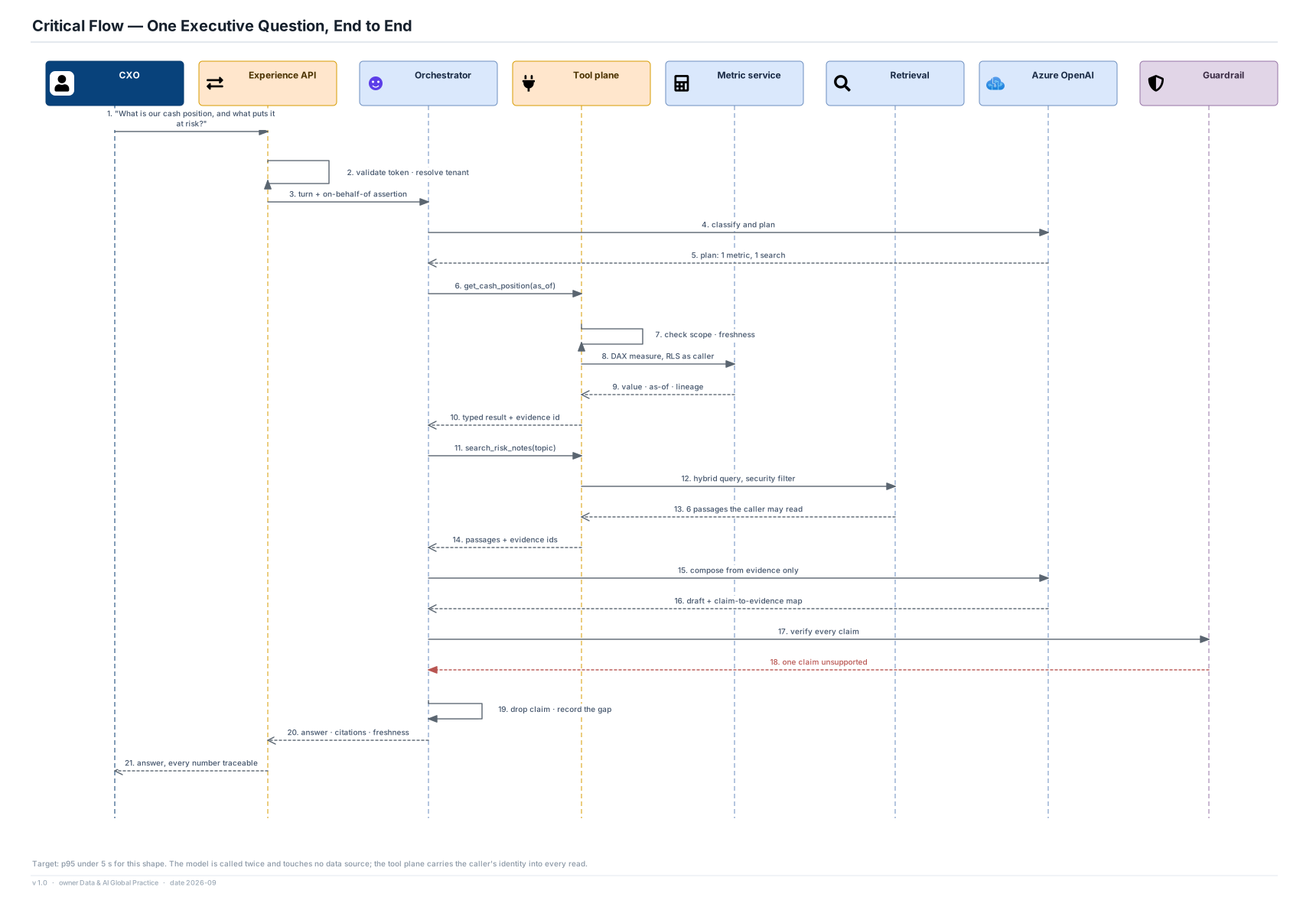
Critical Flow — One Question, End to End
The path a single executive question takes, and the two places it can honestly fail.
-
16
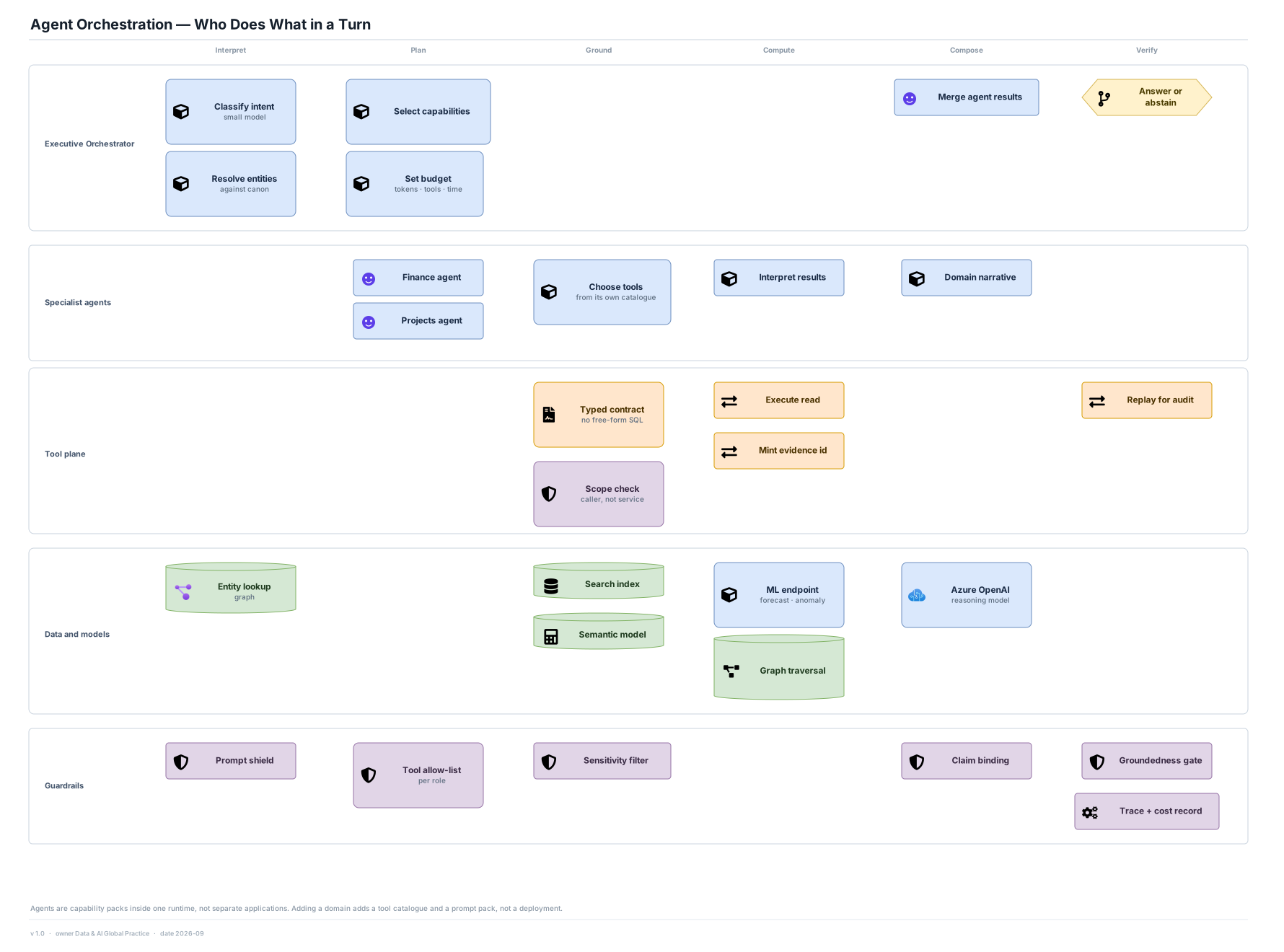
Agent Orchestration
Who does what across a turn — and why the specialist agents are capability packs rather than separate applications.
-
17
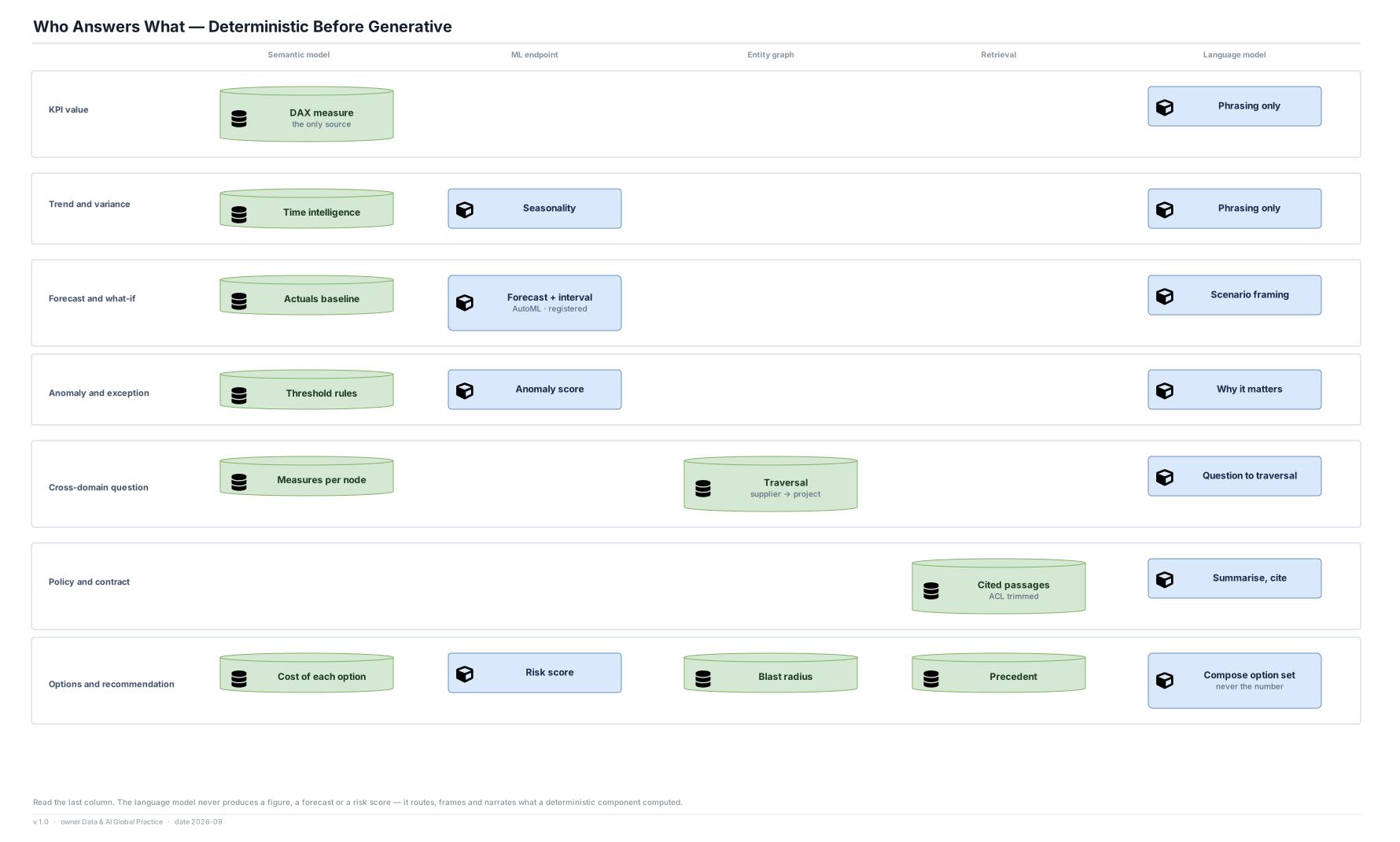
Who Answers What
The routing table that keeps the language model out of arithmetic. Read the last column.
-
18
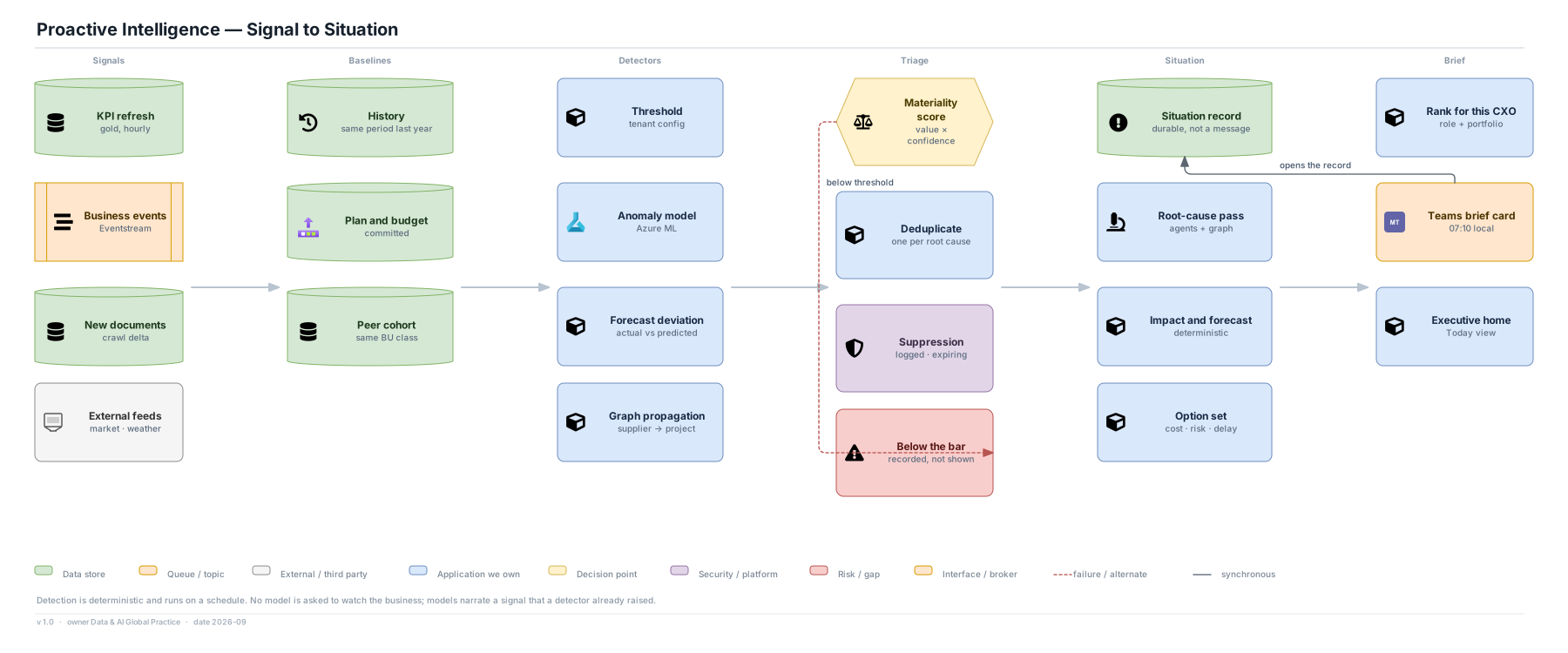
Proactive Intelligence — Signal to Situation
How an exception is found before anyone asks, and why no model is asked to watch the business.
-
19
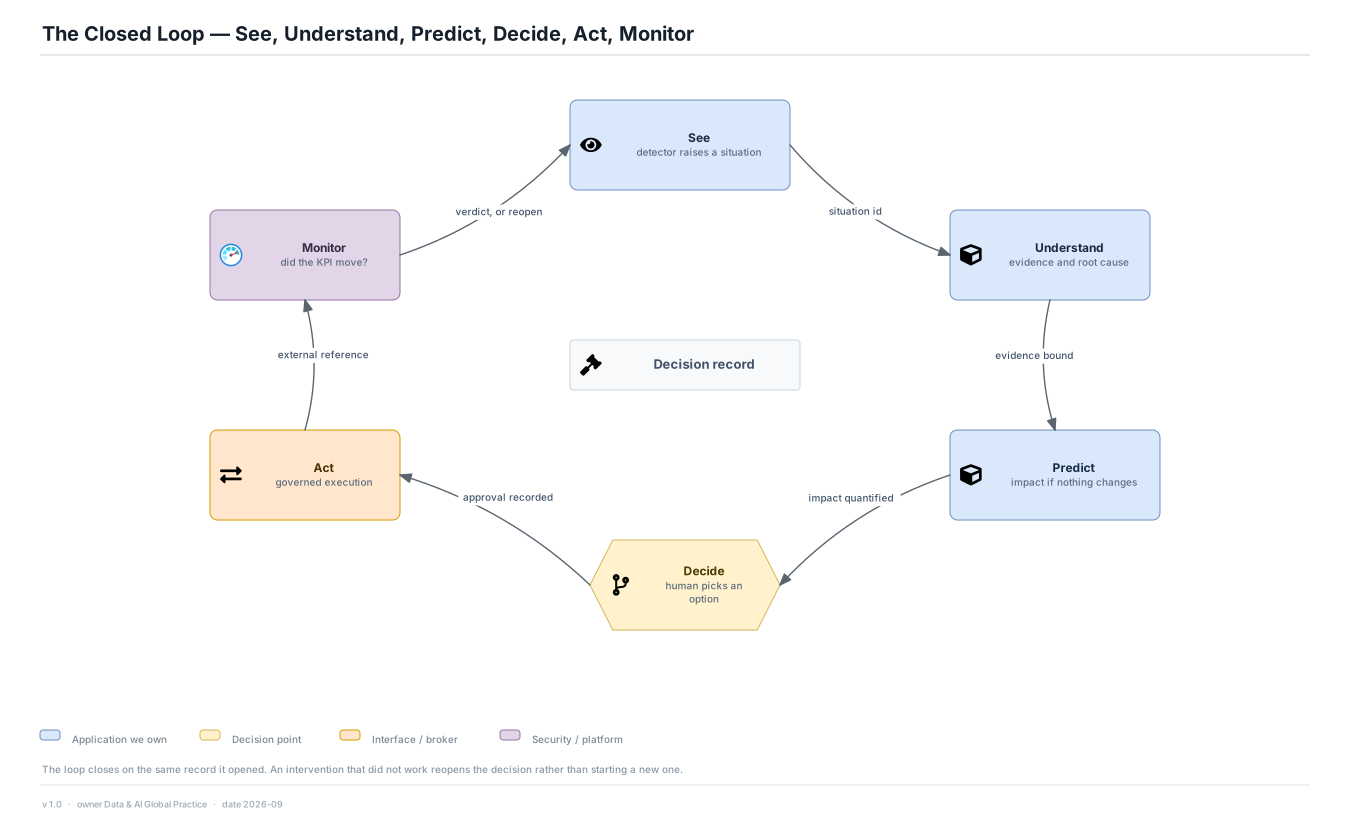
The Closed Loop
See, understand, predict, decide, act, monitor — and the record that all six stages write to.
-
20
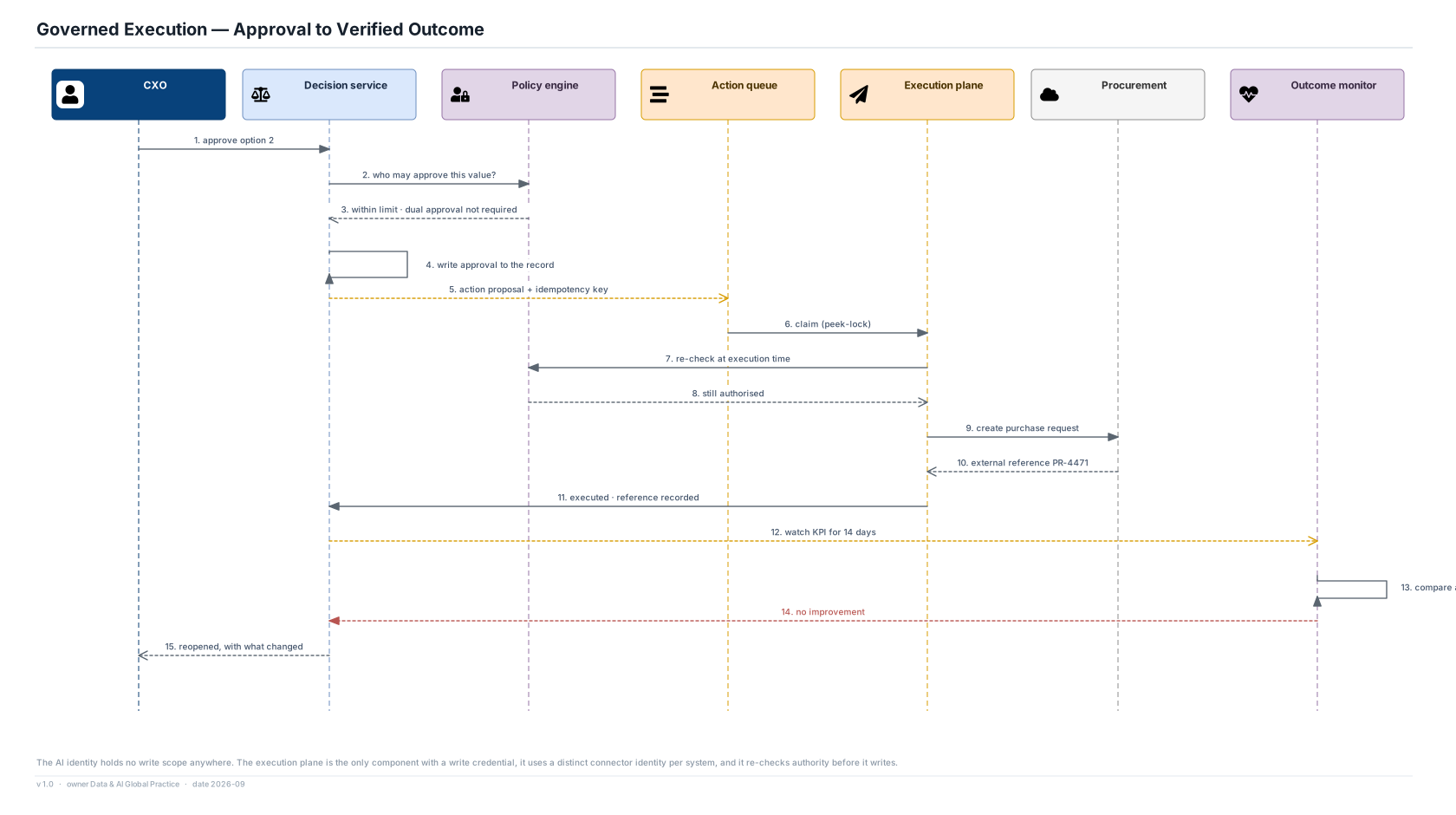
Governed Execution
How an approval becomes a write in a system of record, and how the platform knows whether it worked.
-
21
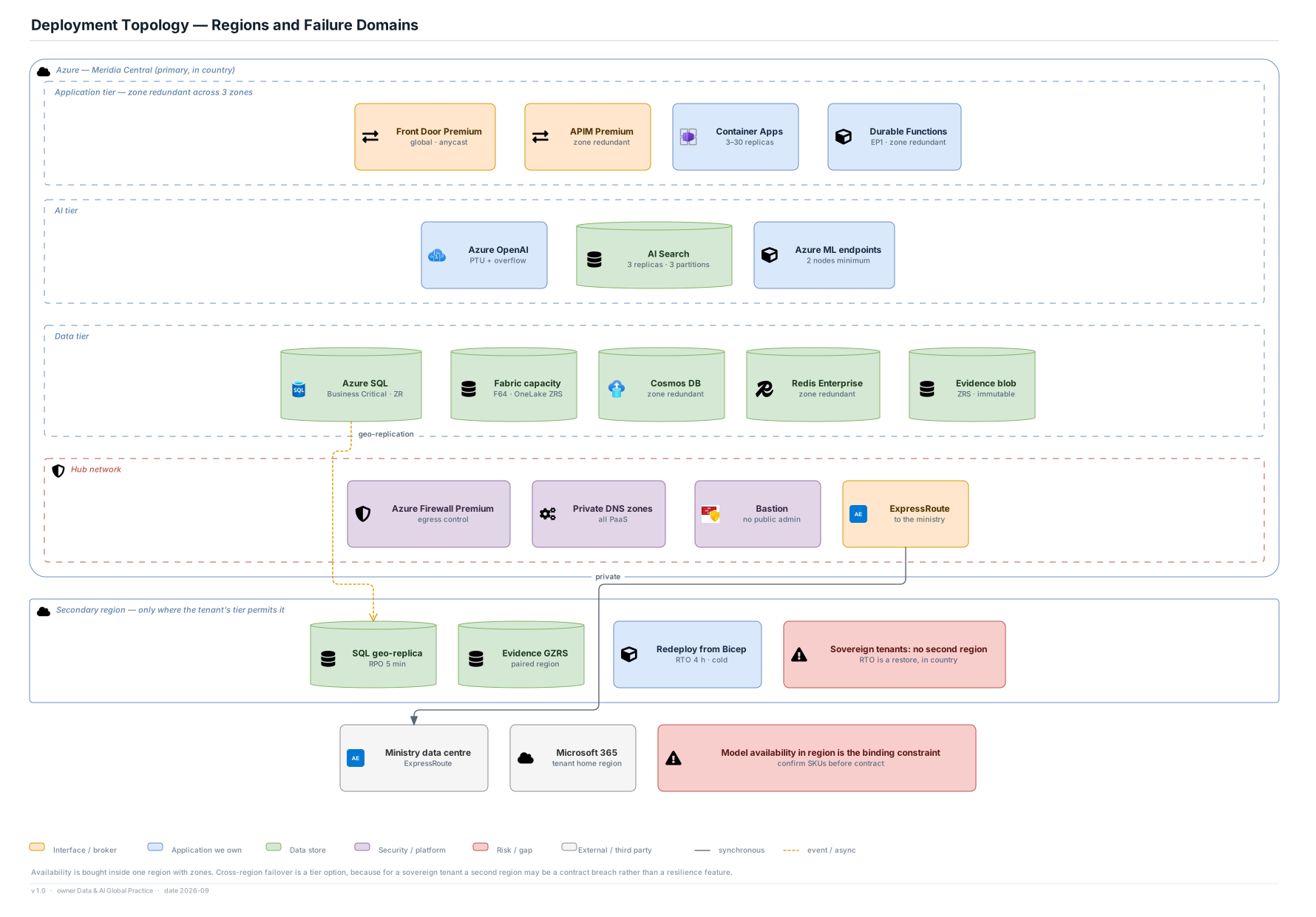
Deployment Topology
Where it runs, what the failure domains are, and why a second region is a tier option rather than a default.
-
22
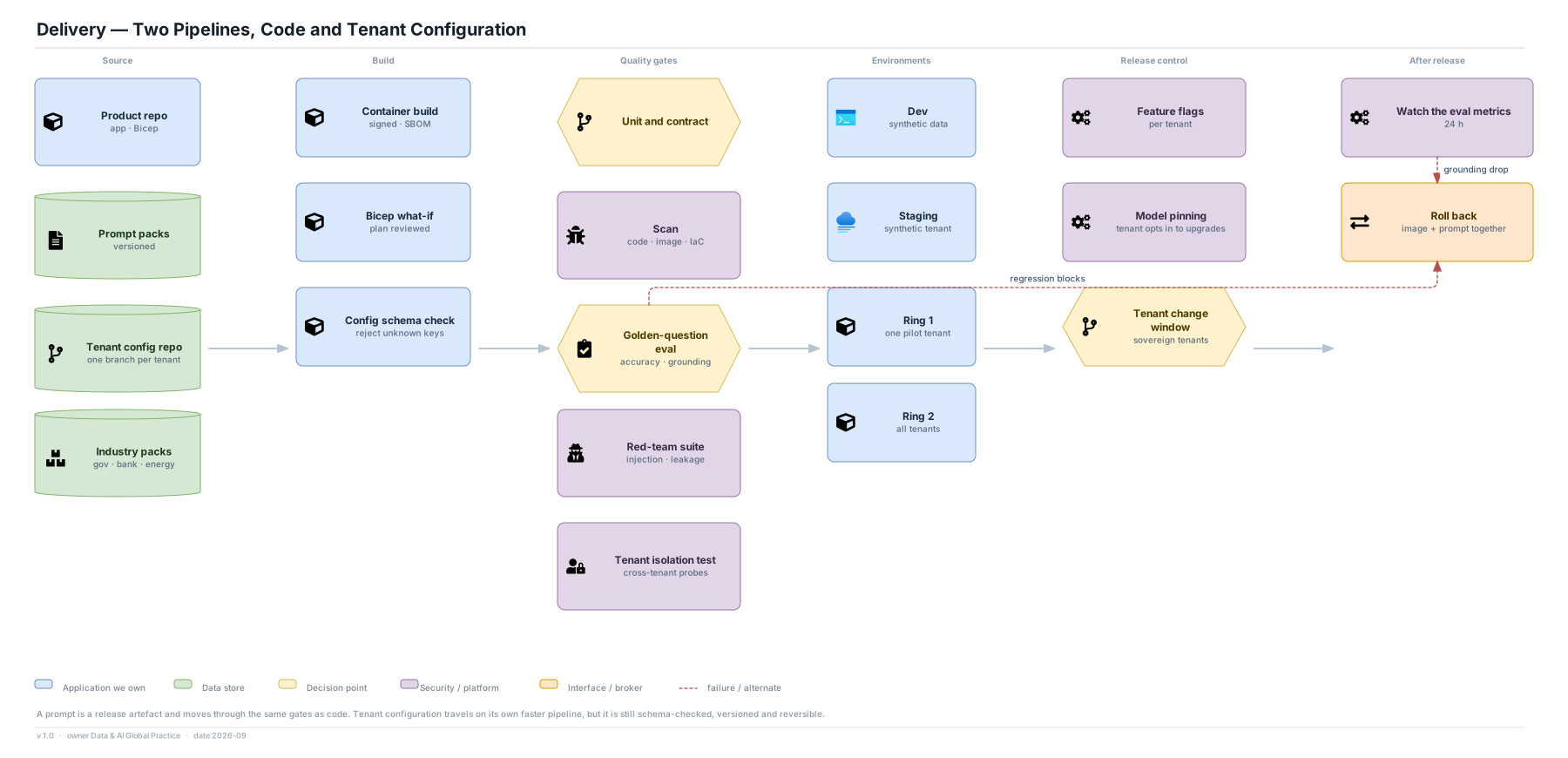
Delivery — Code and Configuration
Two pipelines at different speeds, and the gate that stops a prompt change quietly degrading every tenant's answers.
-
23
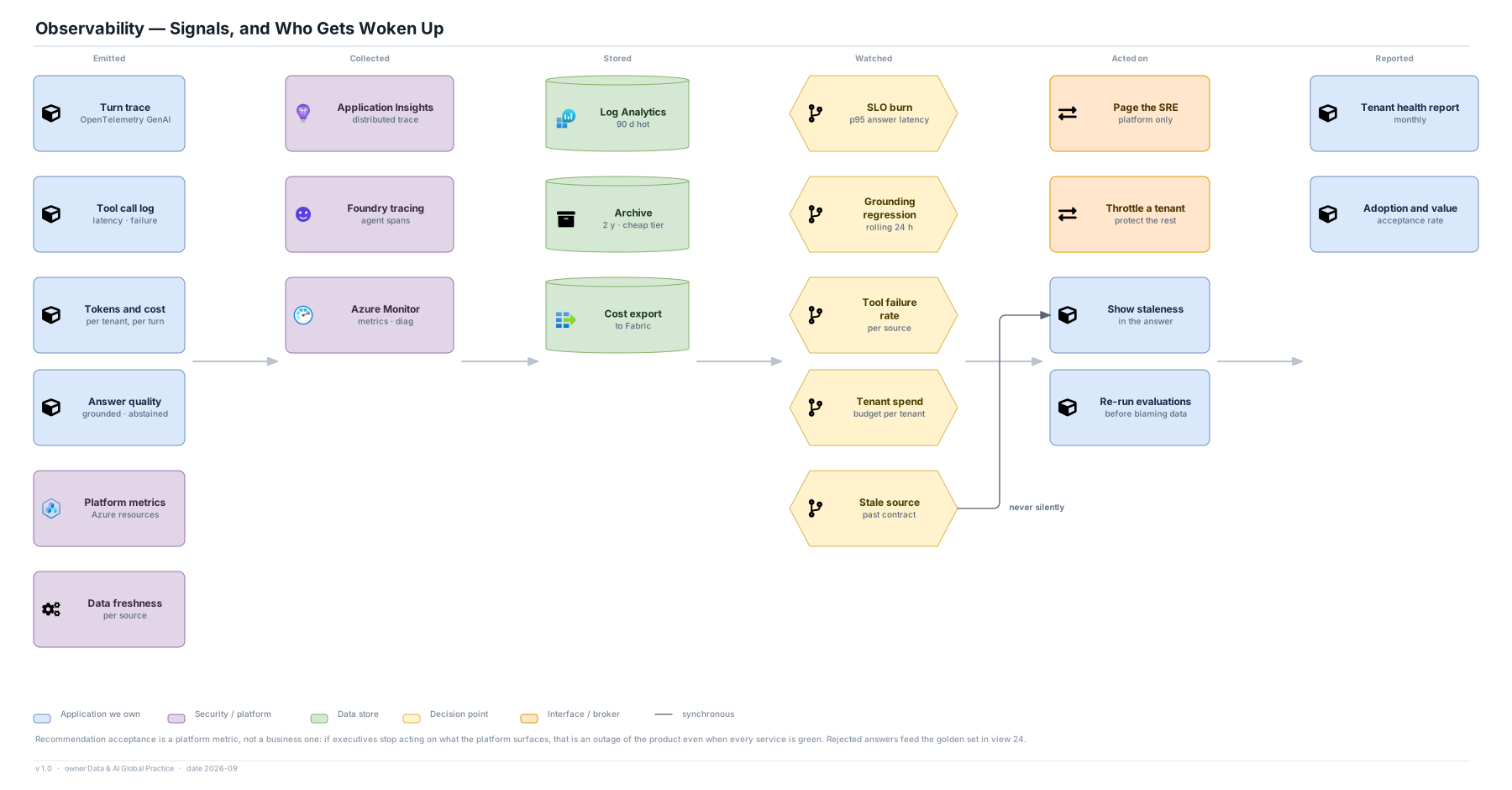
Observability
The signals, where they go, and the one metric that means the product is failing even when every service is green.
-
24
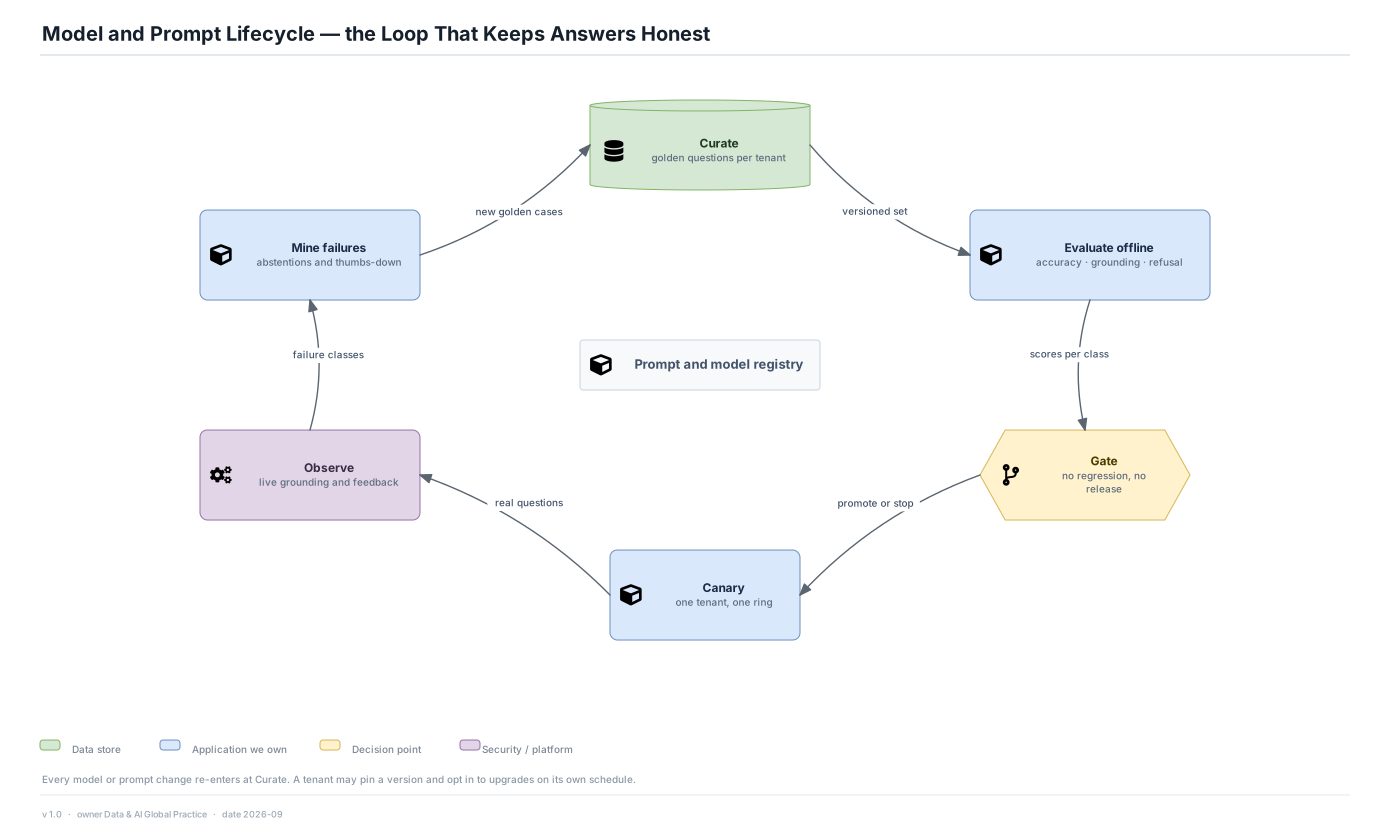
Model and Prompt Lifecycle
The loop that keeps answers honest as models, prompts and the business all change underneath them.
-
25
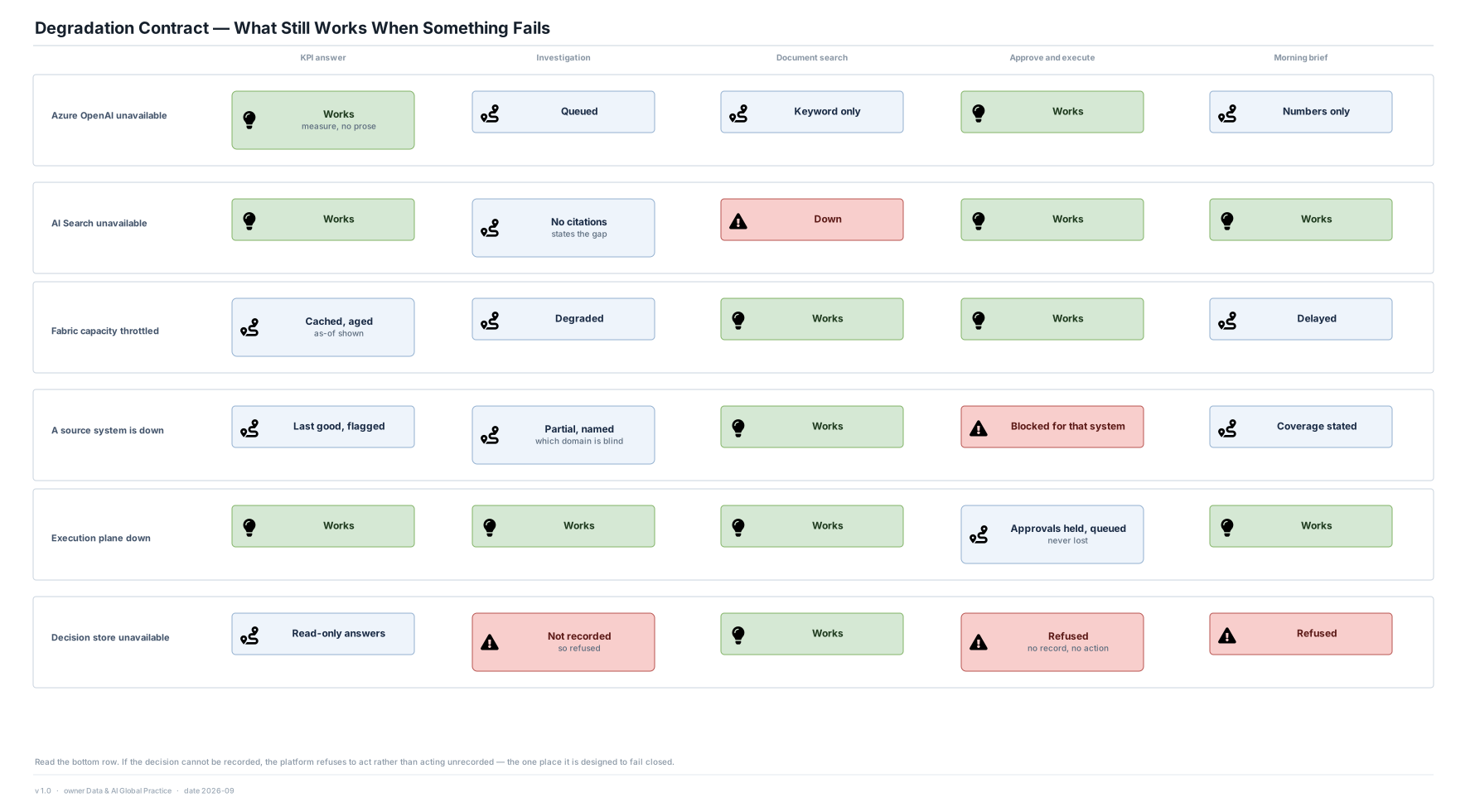
Degradation Contract
A written statement of what still works when each dependency fails — and the one case where the platform refuses rather than degrades.
-
26
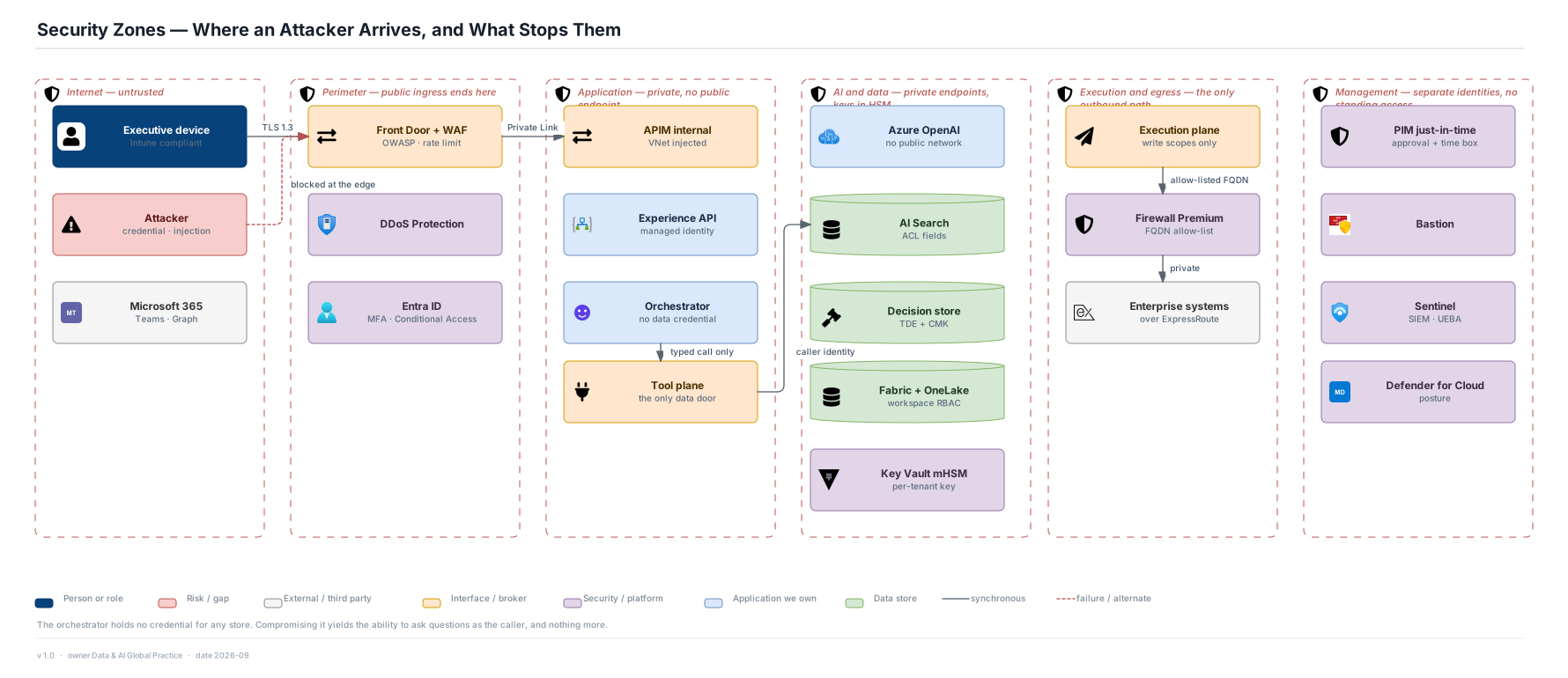
Security Zones
Where an attacker arrives, what stops them, and what they would actually get if they took the orchestrator.
-
27
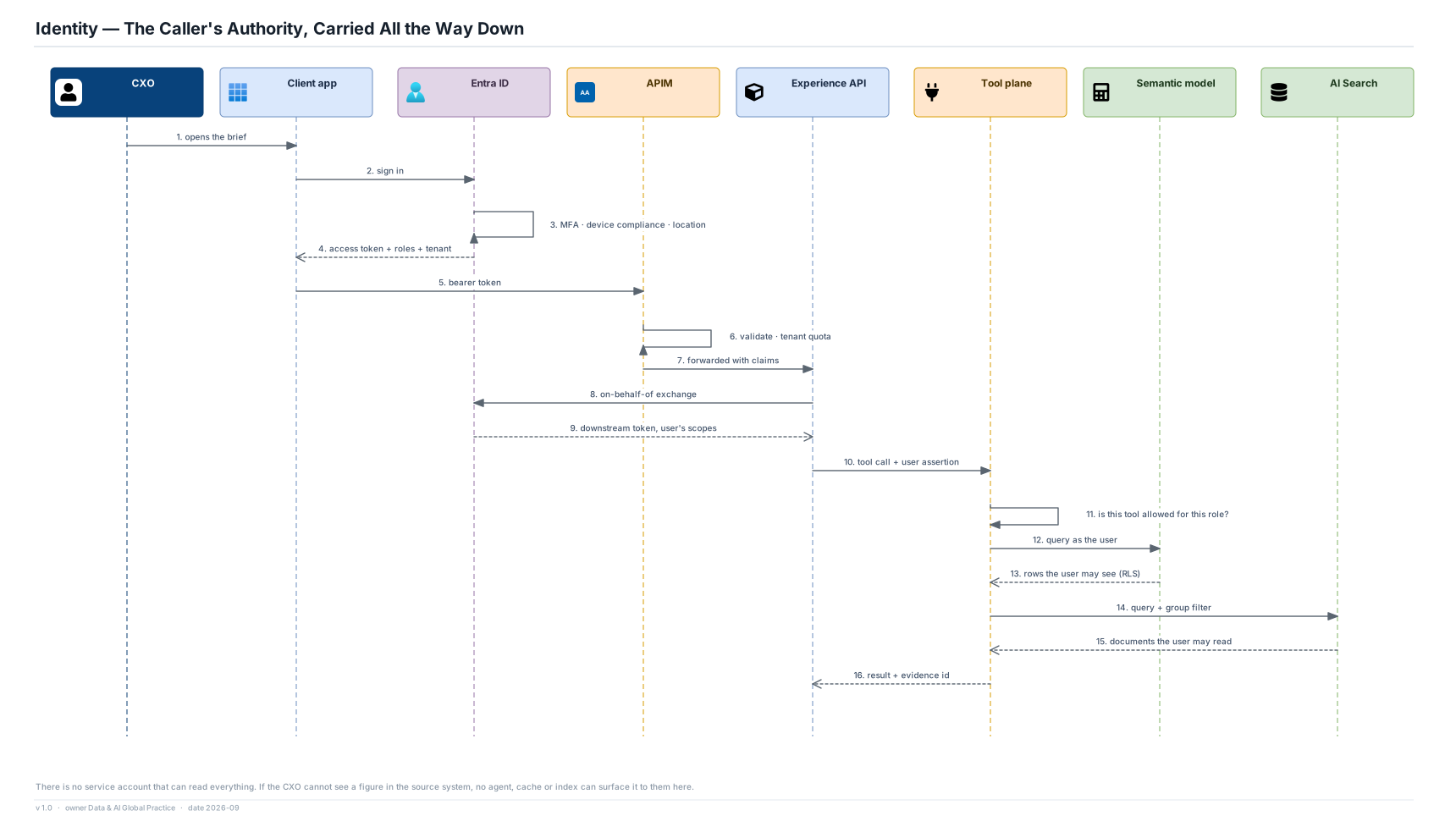
Identity and Authorisation
How the caller's authority reaches the row — and why there is no service account that can read everything.
-
28
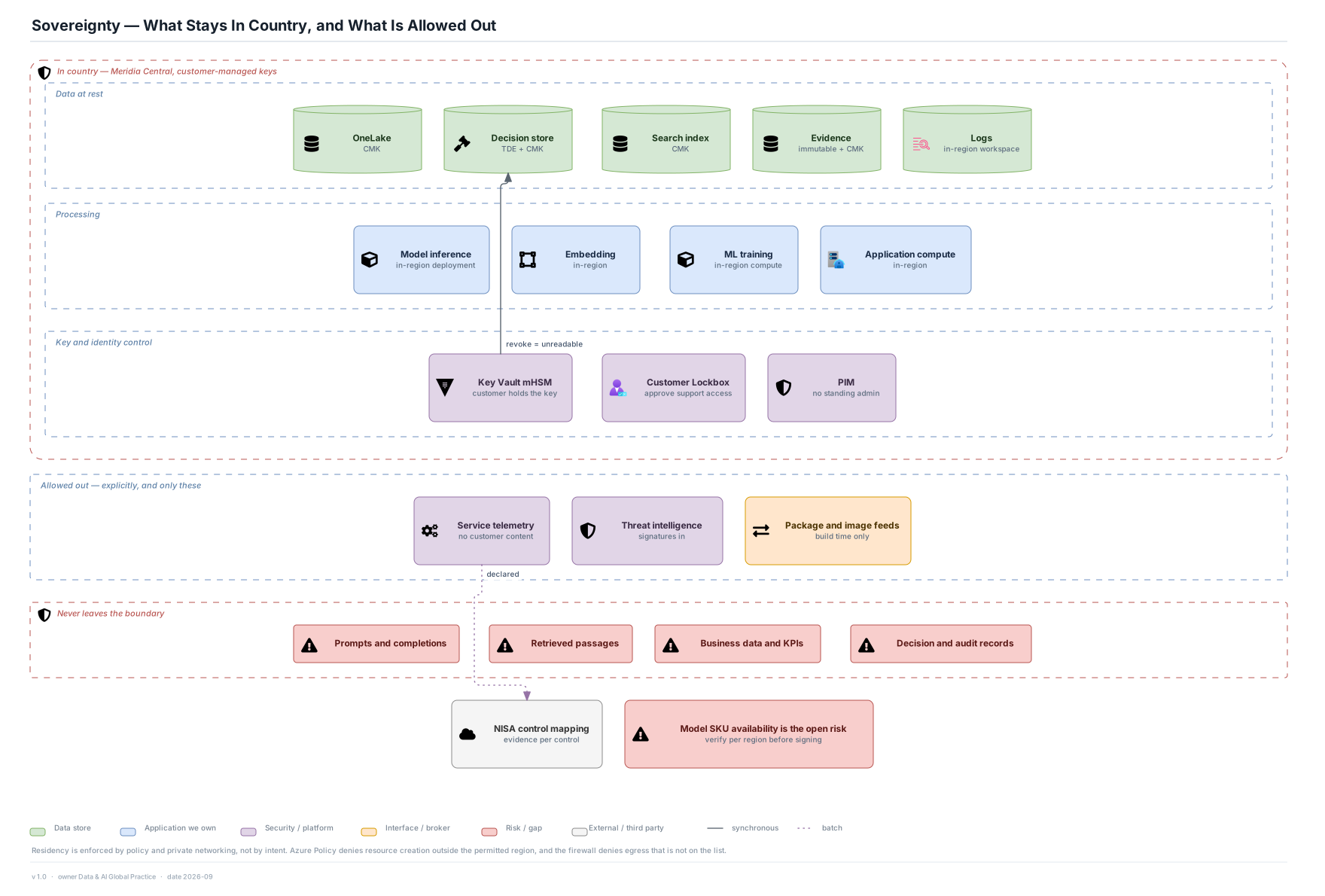
Sovereignty and Residency
What stays in country, the short list of what is allowed out, and the constraint that could invalidate the design.
-
29
AI Governance and Guardrails
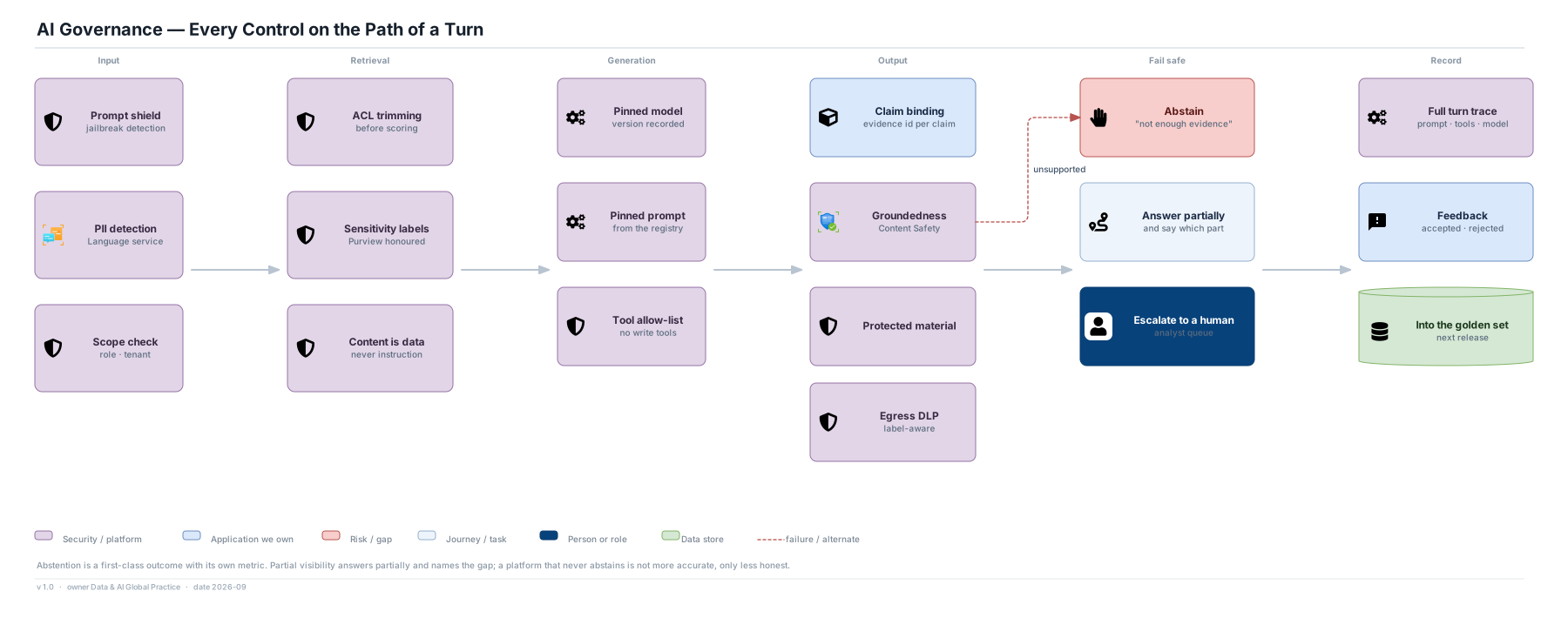
Every control on the path of a single turn, and the three ways the platform is allowed to not answer.
-
30
Audit and Lineage
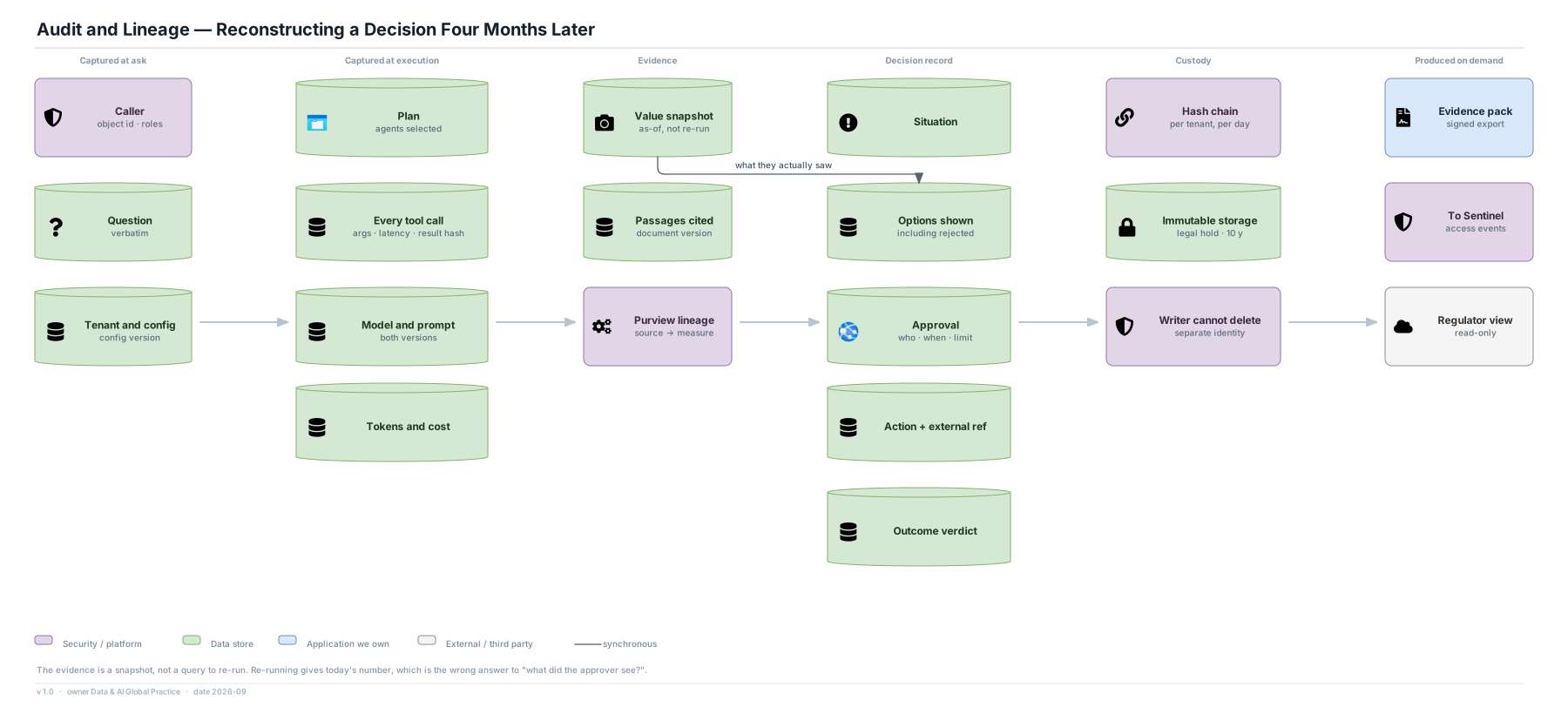
Everything captured, how custody is proved, and why the evidence is a snapshot rather than a query to re-run.
The written architecture.
Everything as it was delivered.
These files are served exactly as they were produced — the diagram pages keep their own house style because that is the artifact, not a rendering of it.