AI Executive Office — CXO Assistant Platform · View 18 of 30 · 5 · Runtime
Decisions
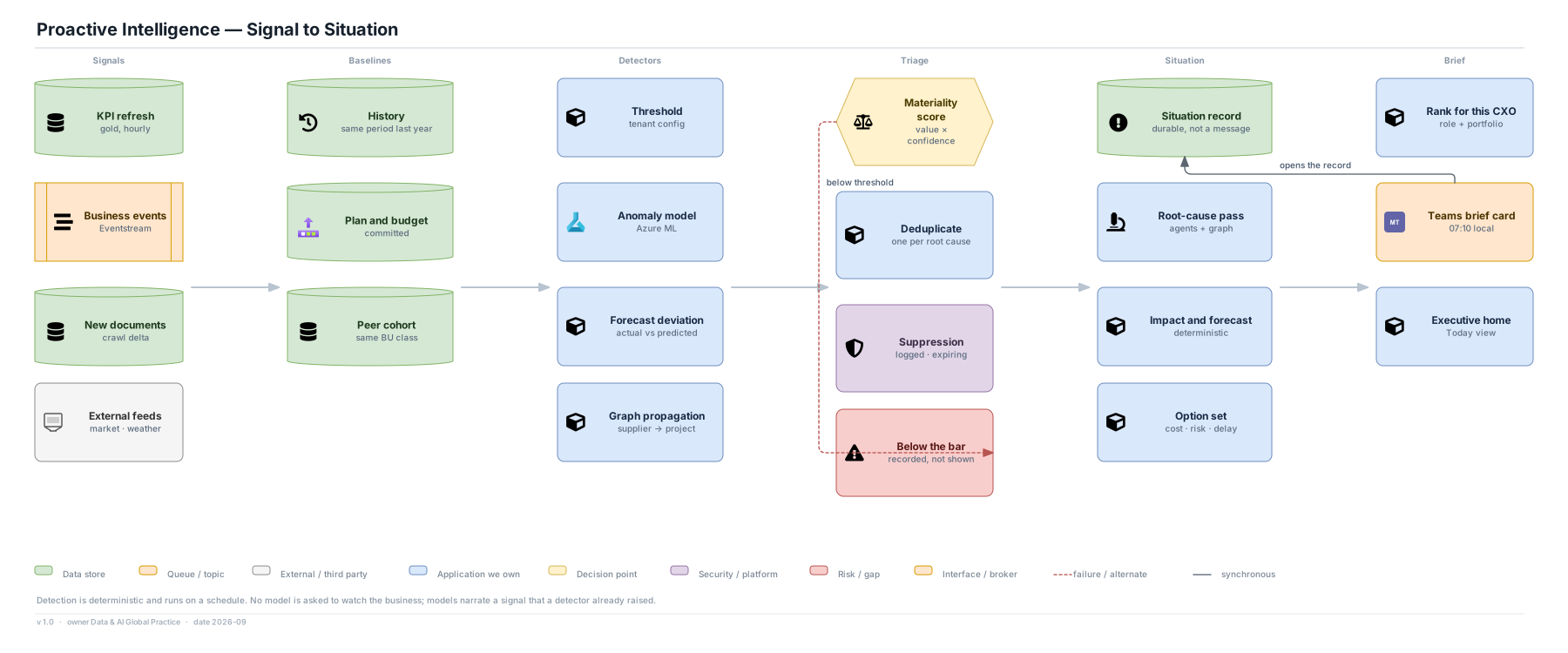
- Detection is deterministic and scheduled: thresholds, anomaly models, forecast deviation and graph propagation. Models narrate a signal a detector already raised. Asking an LLM to monitor continuously is unaffordable and unrepeatable
- Graph propagation is what turns a supplier signal into a project exception. It is the capability that answers "which suppliers are affecting projects already at financial risk", and it is why the entity graph exists
- A situation is a durable record, not a notification. The brief card opens the record; it does not contain it
The hard part
- Triage, not detection, is what makes this usable. A platform that surfaces forty exceptions has surfaced none. Materiality scoring, deduplication to one item per root cause, and a recorded suppression list are the difference
- Suppressions expire and are logged. A permanently suppressed alert is a repealed control
Numbers
- Target: no more than 5 items in a morning brief, and every one actionable
- Signals below the bar are recorded, not discarded, so a missed exception can be traced to the threshold that hid it
- Detection sweep hourly; event-triggered for supply-chain and financial-anomaly classes