Autoscaling Controller
37 views, each in three formats.
Open a view to read it in full. Every SVG carries its diagram source inside it, so it opens in diagrams.net fully editable with no import step; the draw.io files are the same diagrams as plain source.
-
01
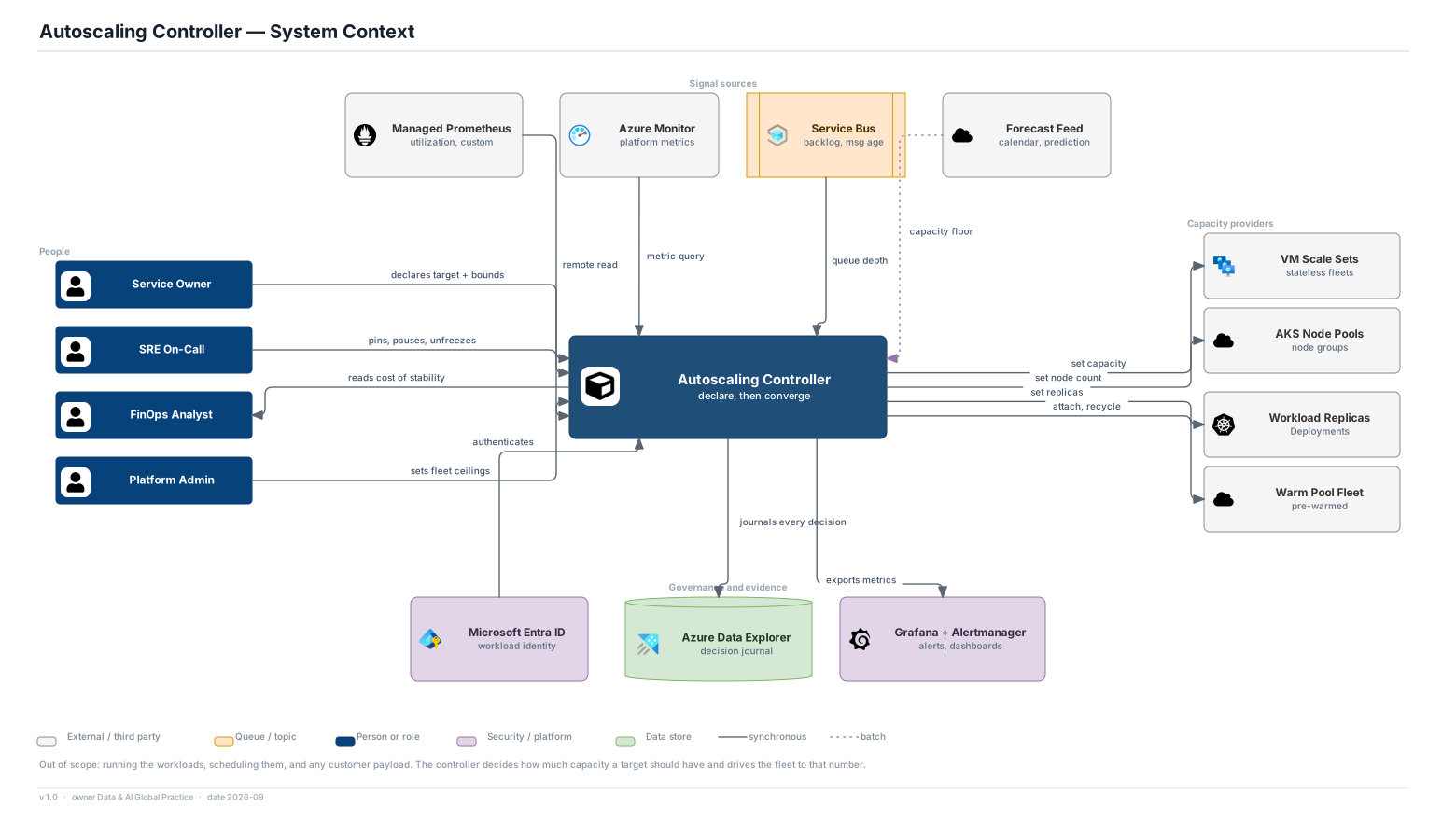
System Context
What sits inside the controller's boundary, what feeds it, and what it is allowed to change.
-
02
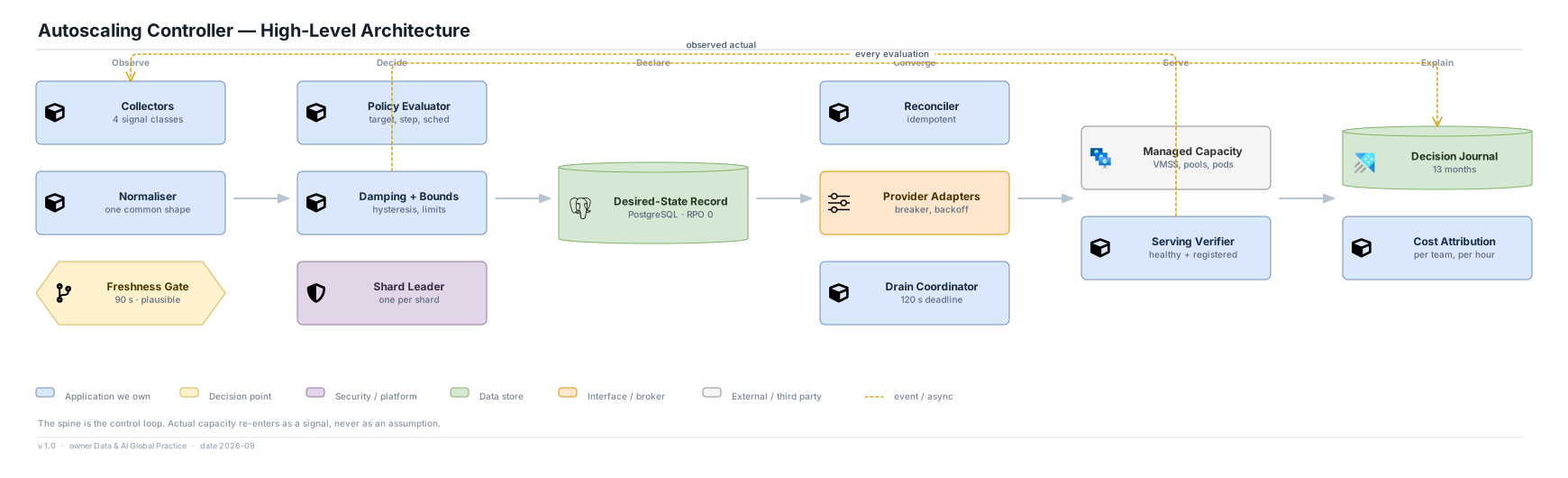
High-Level Architecture
Six stages: observe, decide, declare, converge, serve, explain — and one feedback edge that matters.
-
03
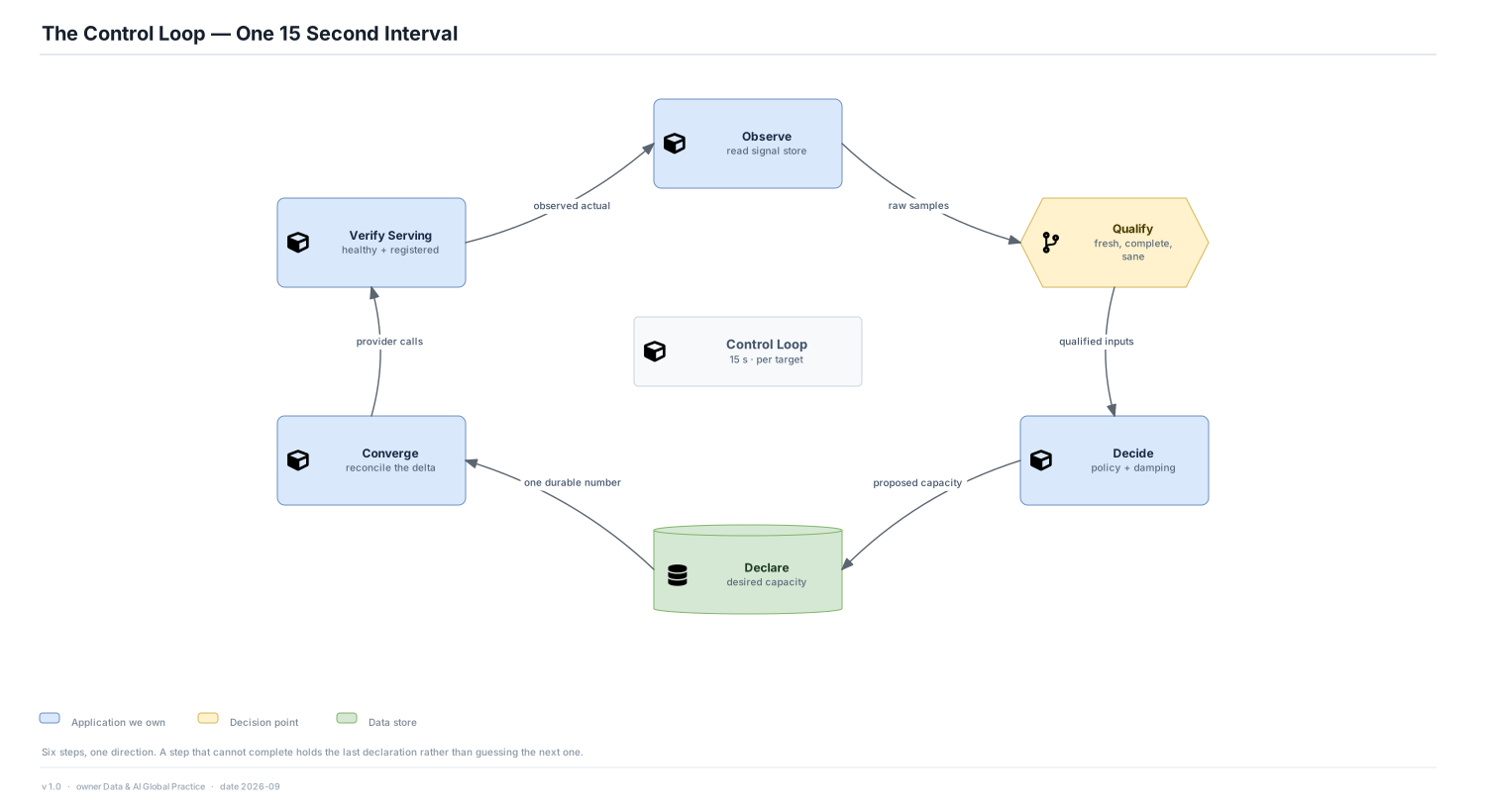
The Control Loop
The six steps of one 15 second interval, and the fact that it closes.
-
04
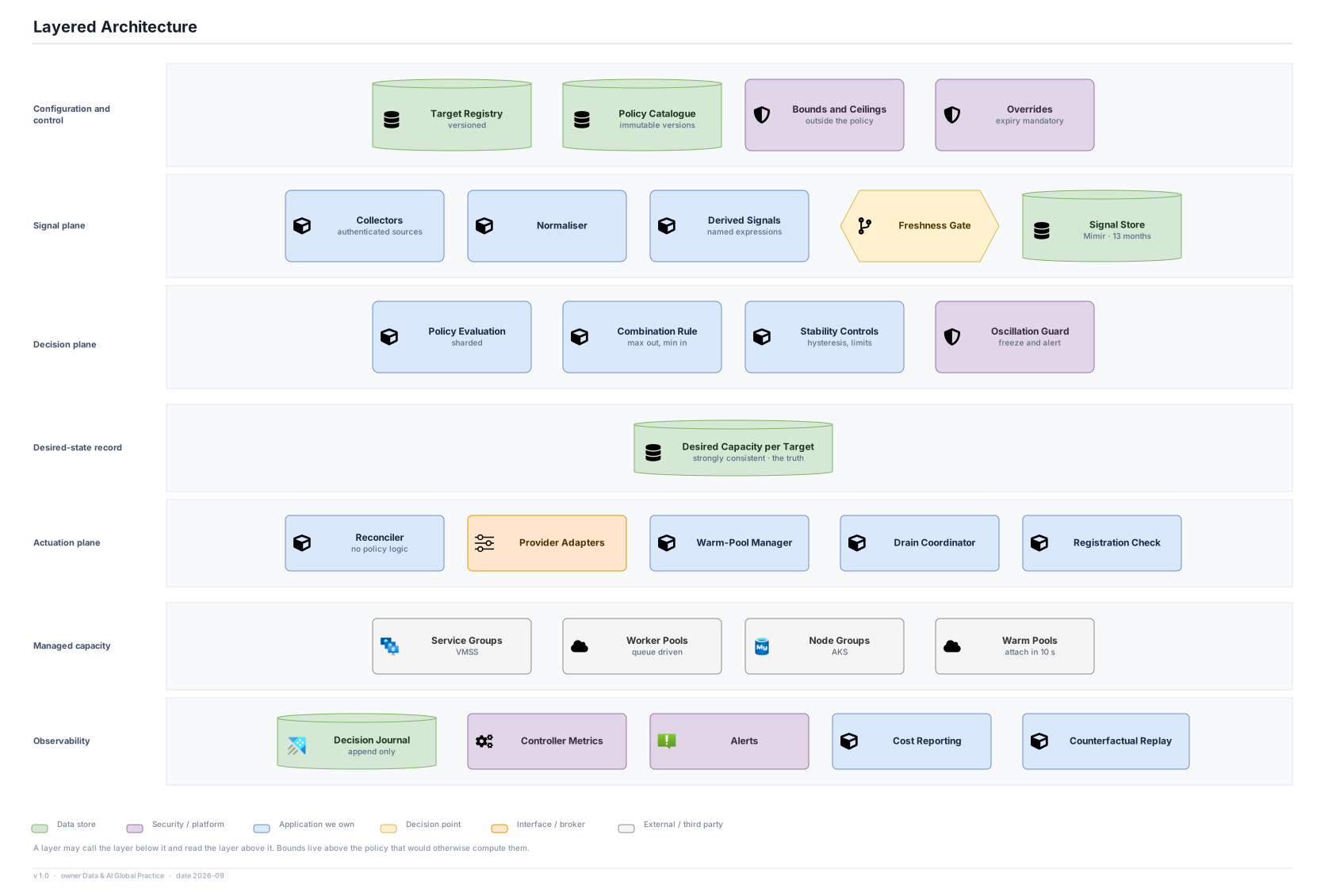
Layered Architecture
Seven layers, and the one rule about which way they may call.
-
05
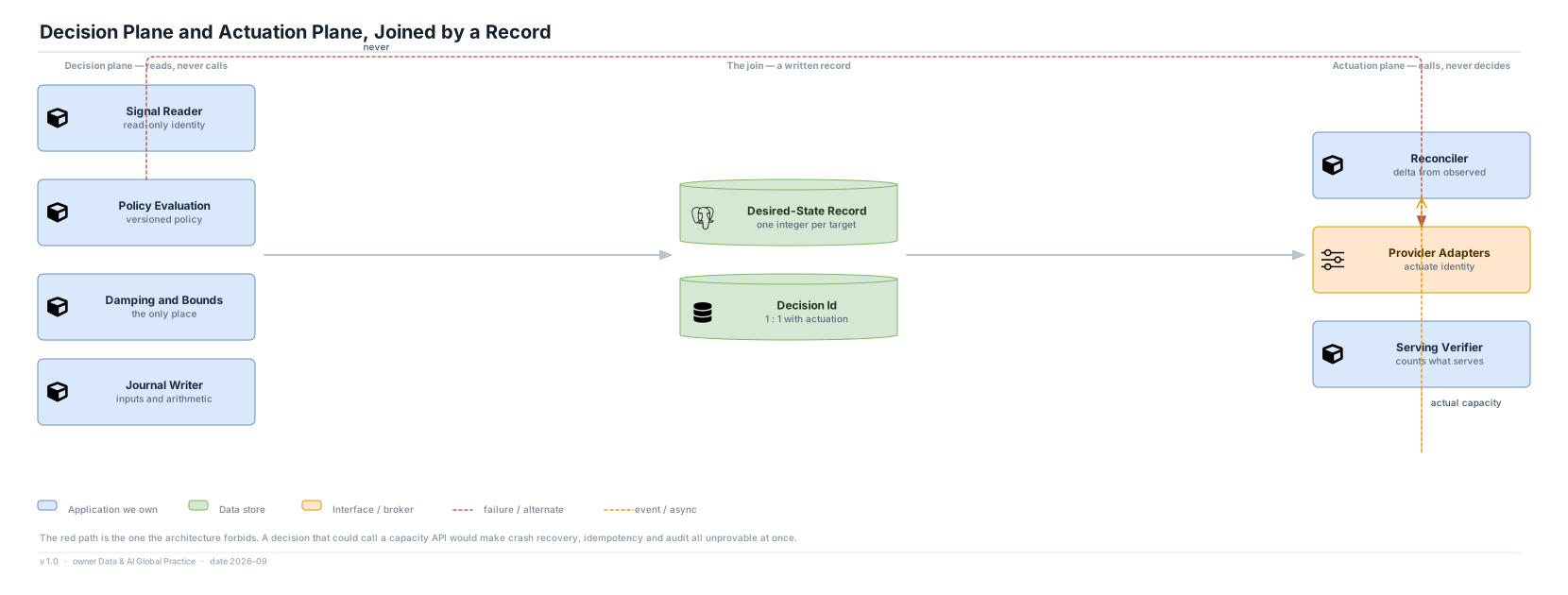
The Critical Design Decision
The decision plane never calls a capacity API. The red arrow is the path the architecture forbids.
-
06
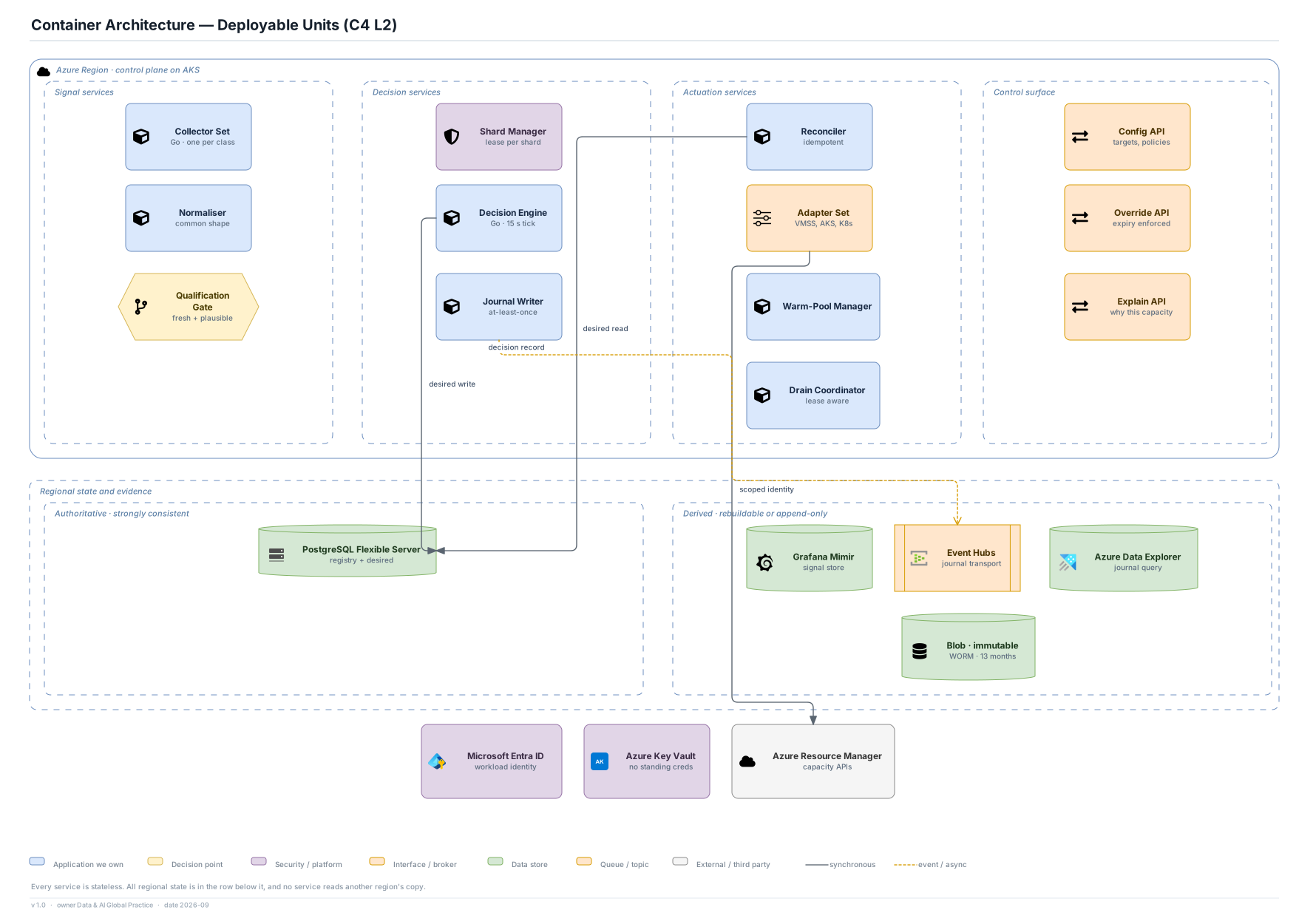
Container Architecture
Every deployable unit, and the regional state it is allowed to touch.
-
07
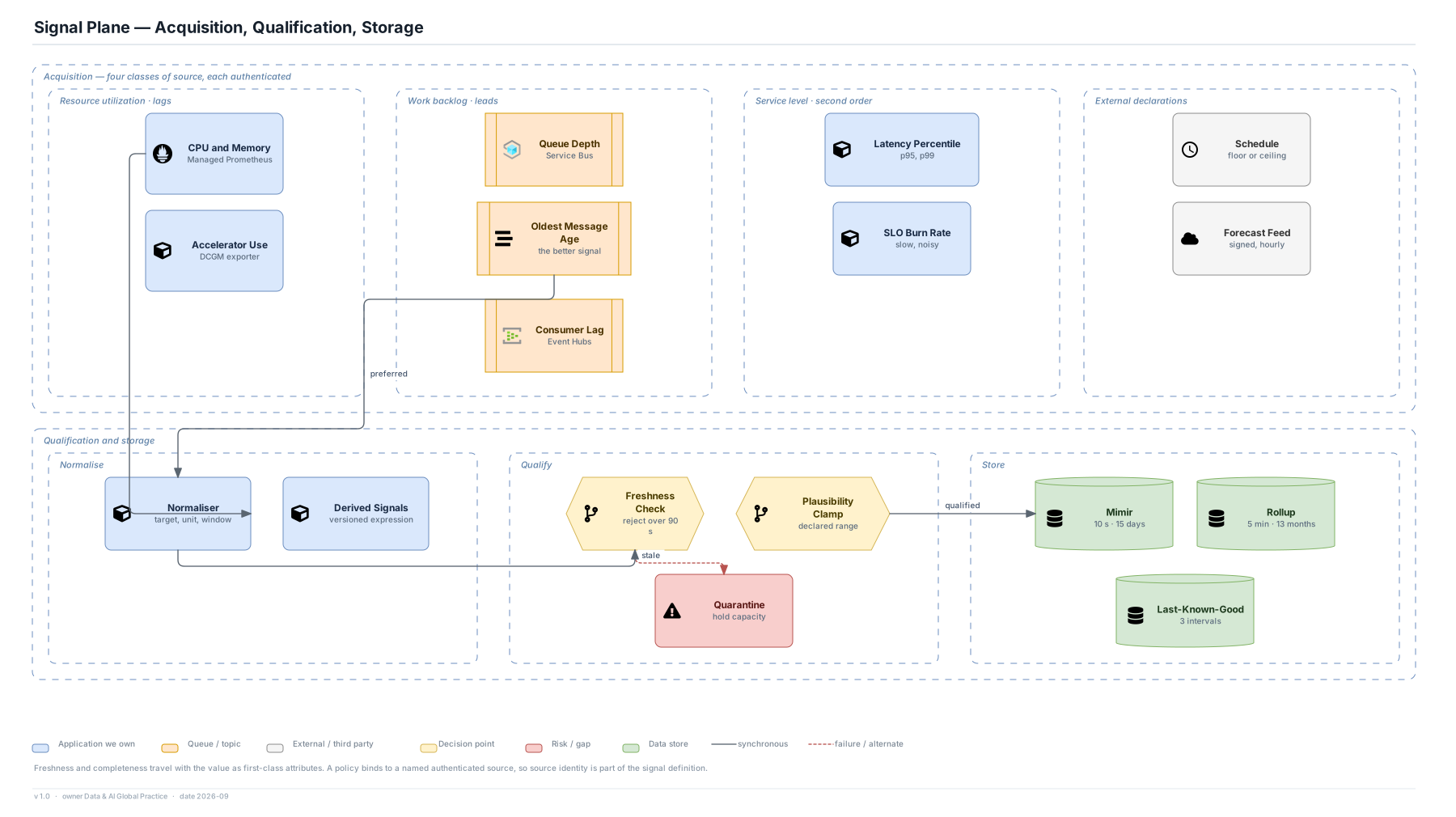
Signal Plane
Four classes of source, one common shape, and a gate that qualifies every sample.
-
08
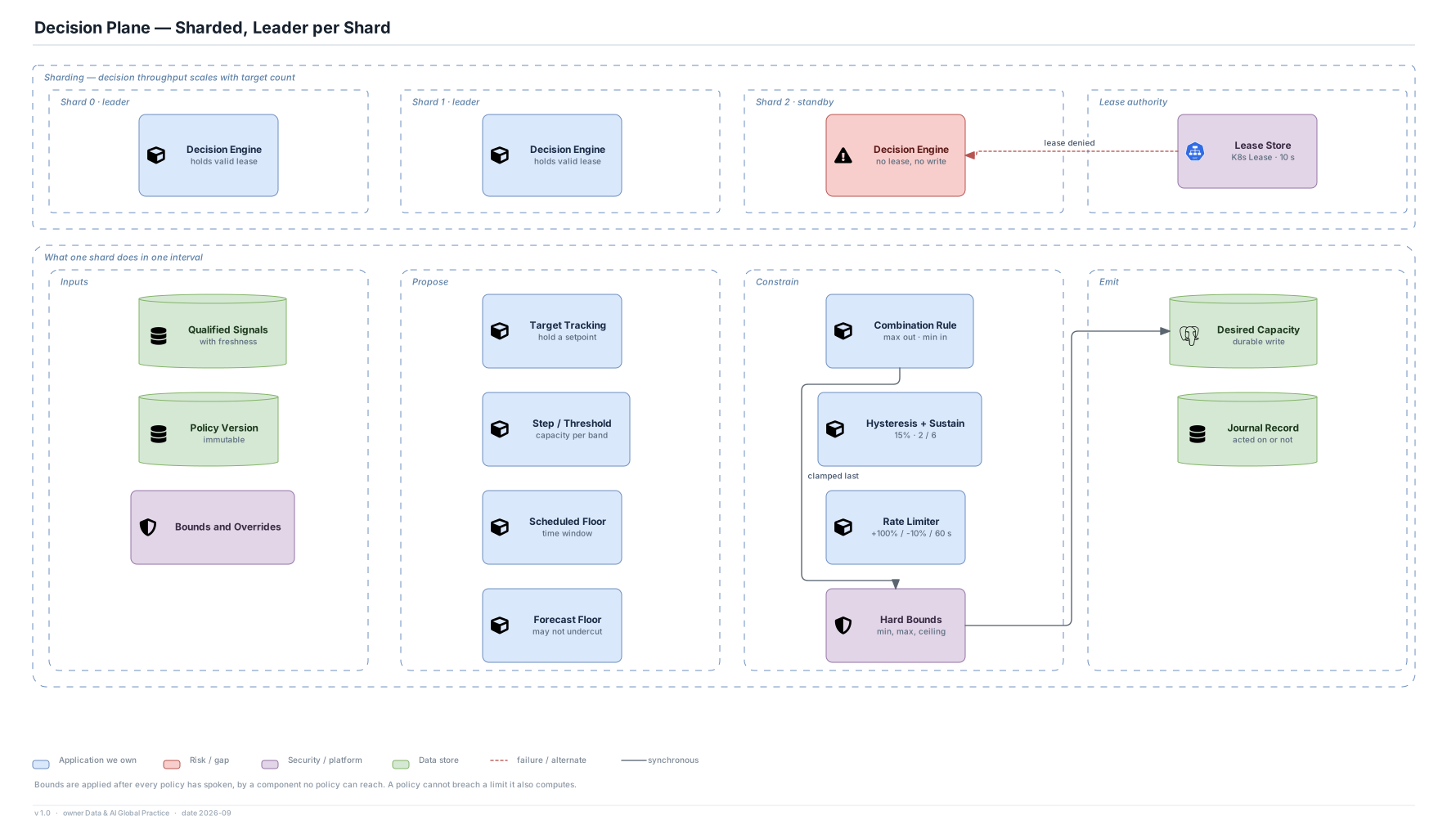
Decision Plane
Sharded with a lease per shard, and what one shard does in one interval.
-
09
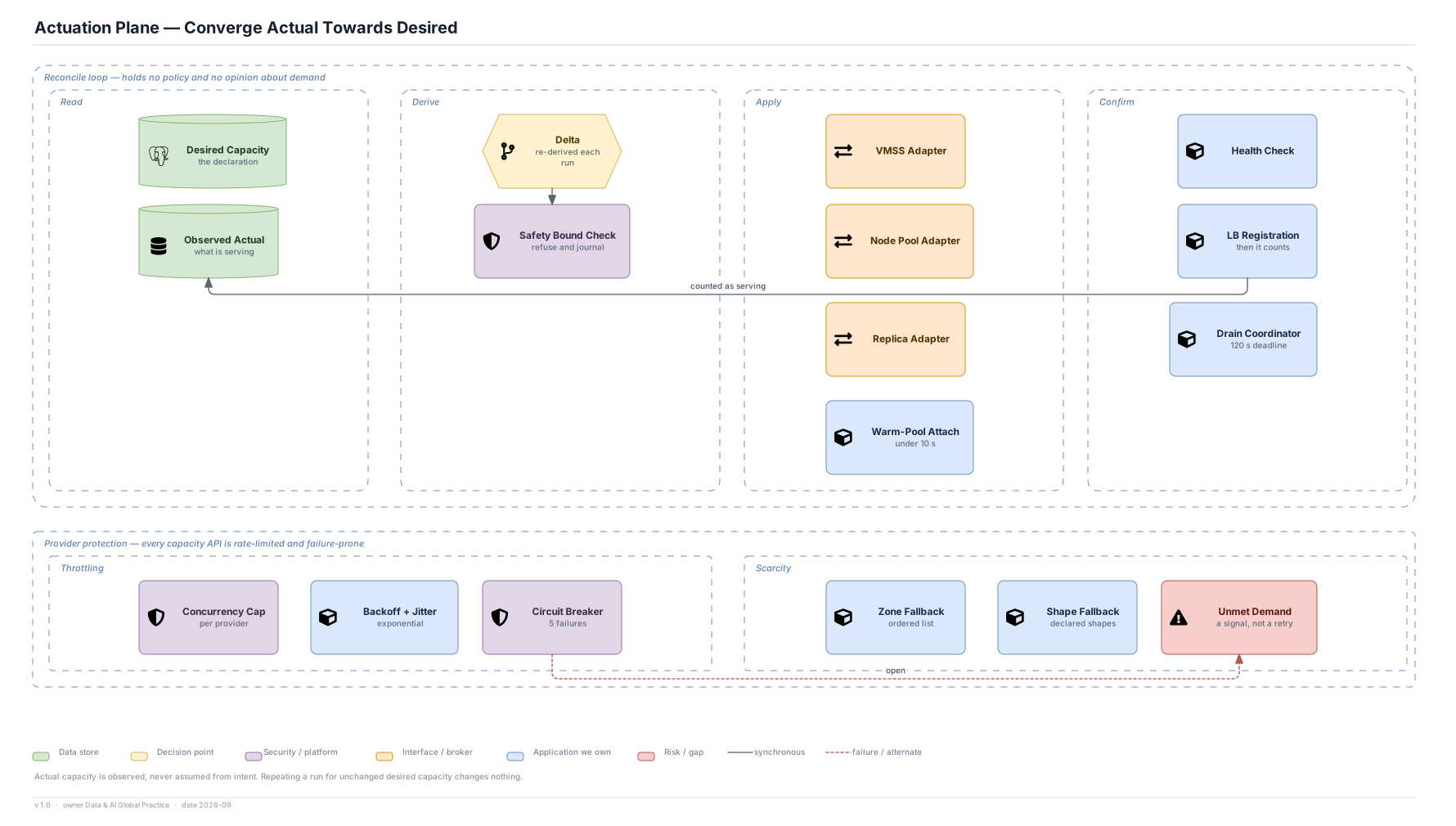
Actuation Plane
Converge actual towards desired, and survive a capacity API that is rate-limited and failure-prone.
-
10
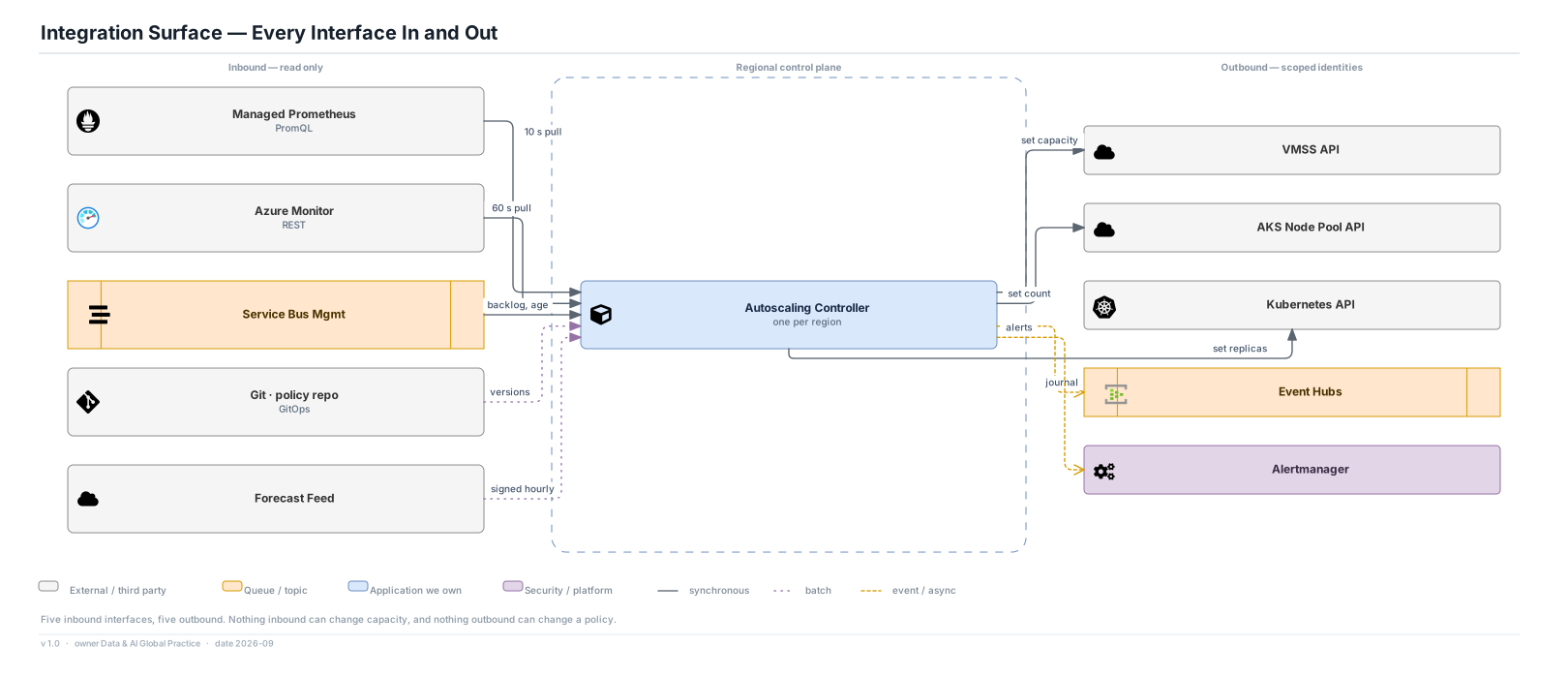
Integration Surface
Five inbound interfaces, five outbound, and the rule that separates them.
-
11
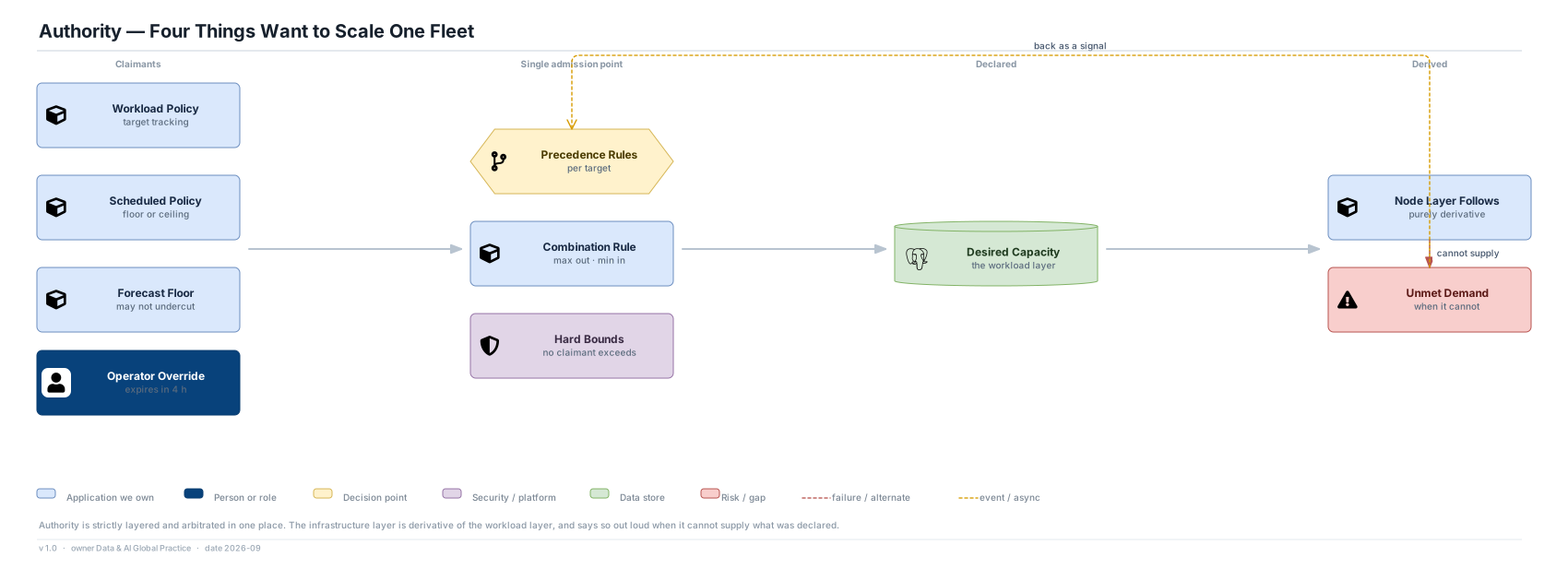
Authority and Arbitration
A workload policy, a schedule, a forecast and a human can all target the same fleet. One of them wins, and it is decided in one place.
-
12
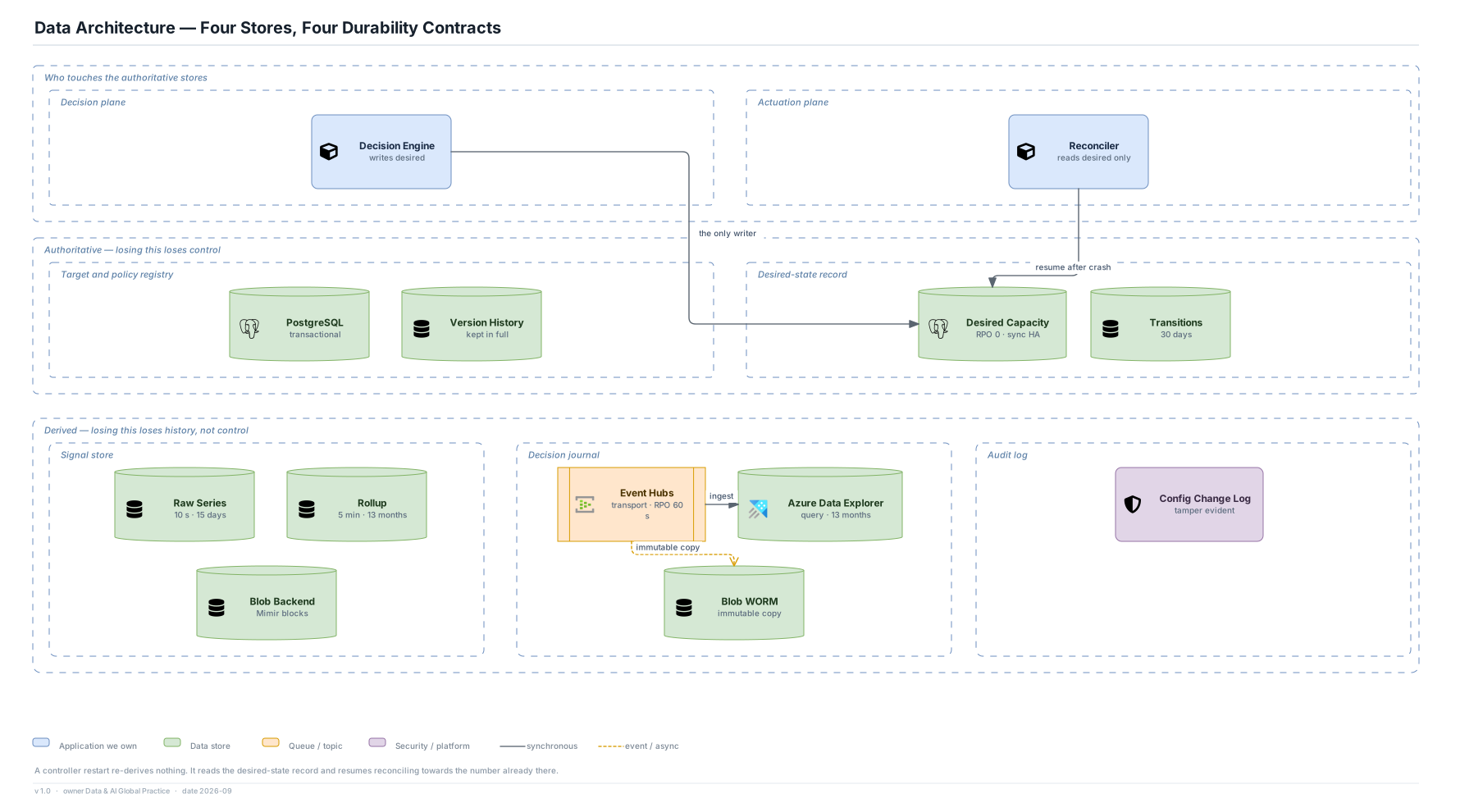
Data Architecture
Two stores whose loss is loss of control, and two whose loss is only loss of explanation.
-
13
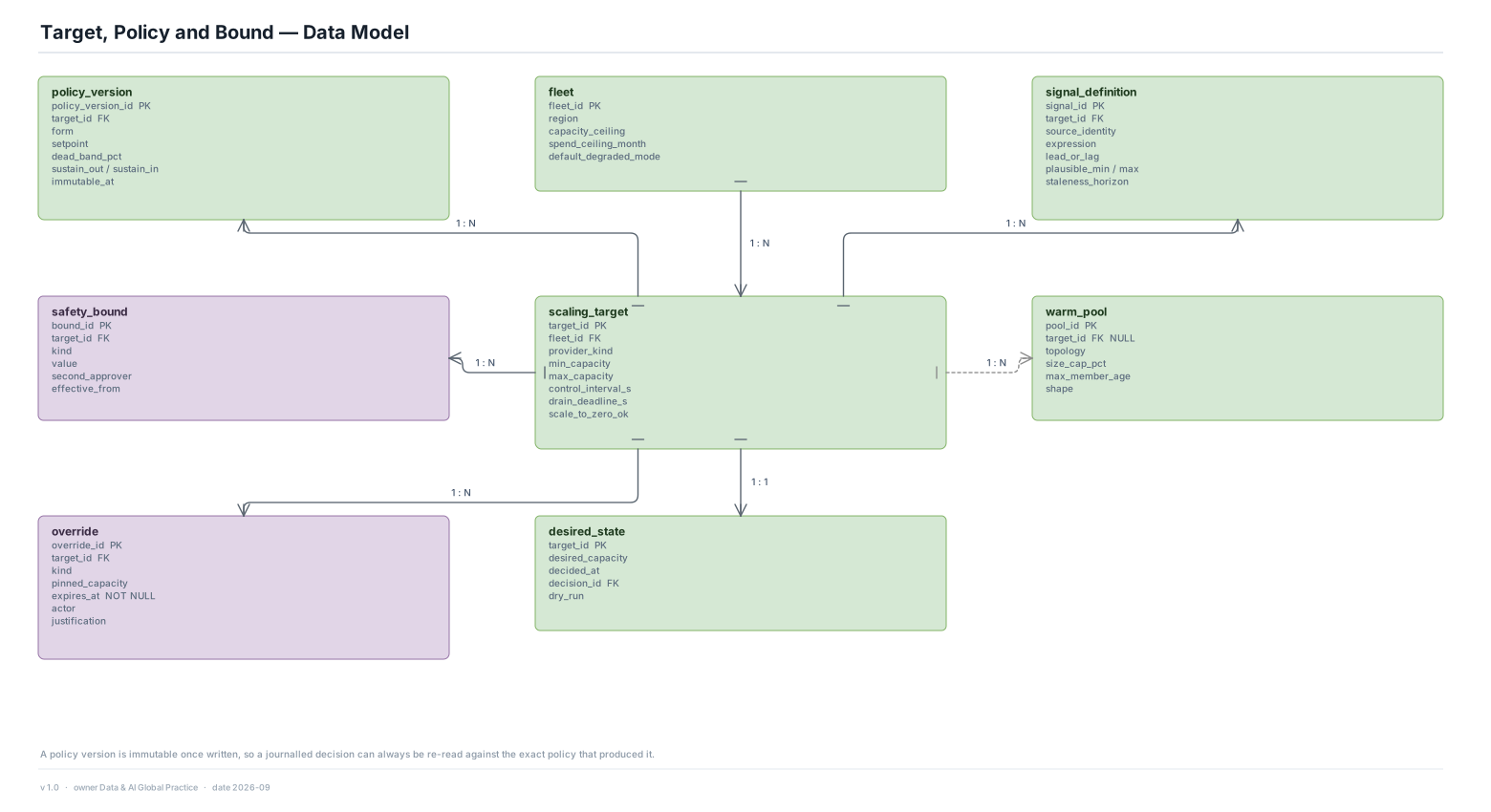
Target and Policy Model
The registry: what a target is, what may constrain it, and what expires.
-
14
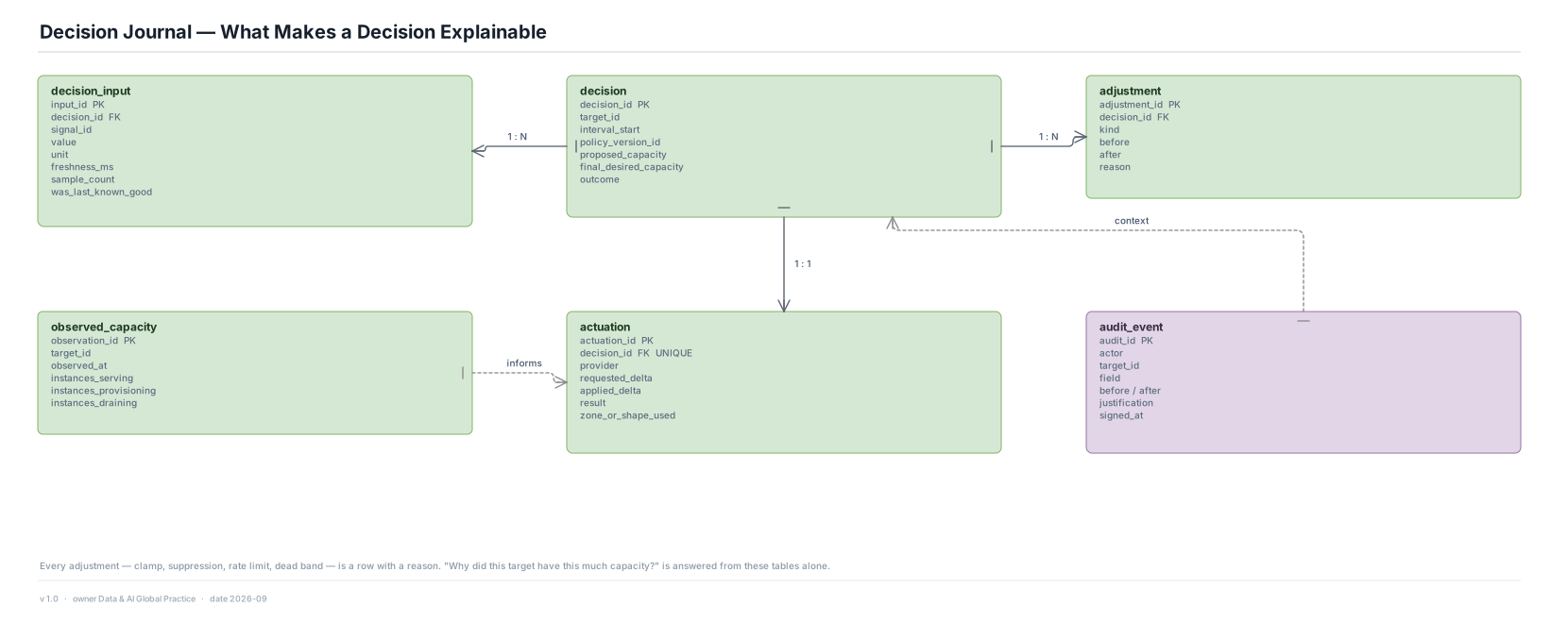
Decision Journal Model
What has to be recorded for "why did this target have this much capacity?" to be answerable without replaying a metric.
-
15
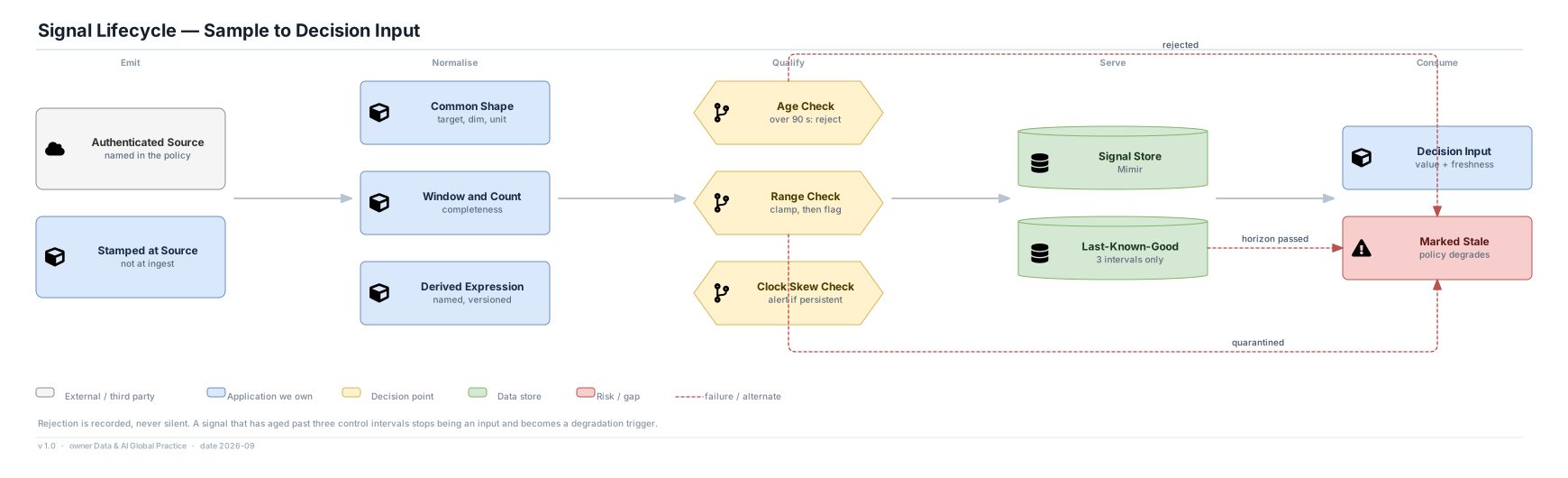
Signal Lifecycle
A sample from emission to decision input, and the three ways it can fail to get there.
-
16
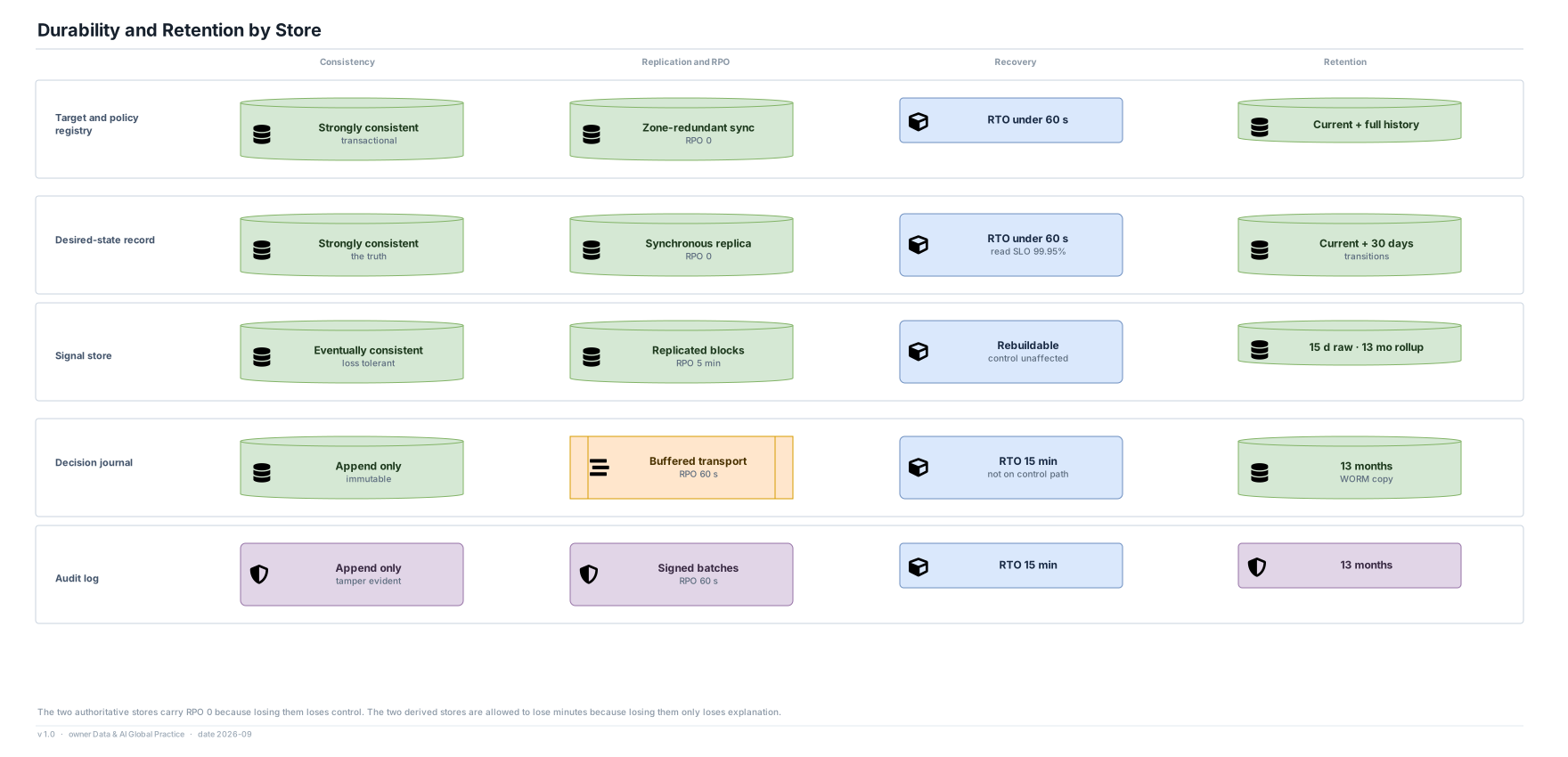
Durability and Retention
The contract each store signs, side by side.
-
17
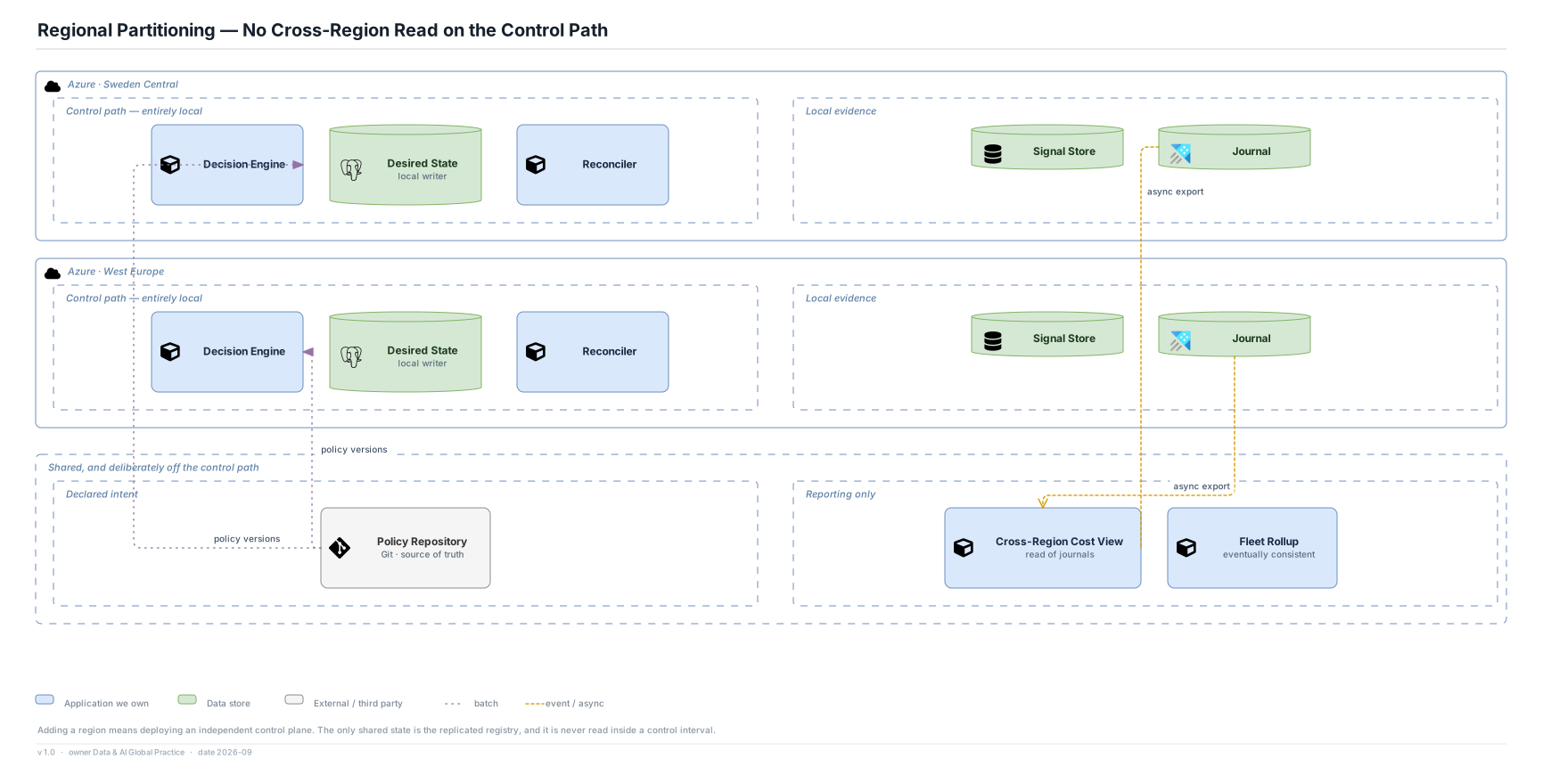
Regional Partitioning
Every store partitioned by region, and nothing on the control path crossing one.
-
18
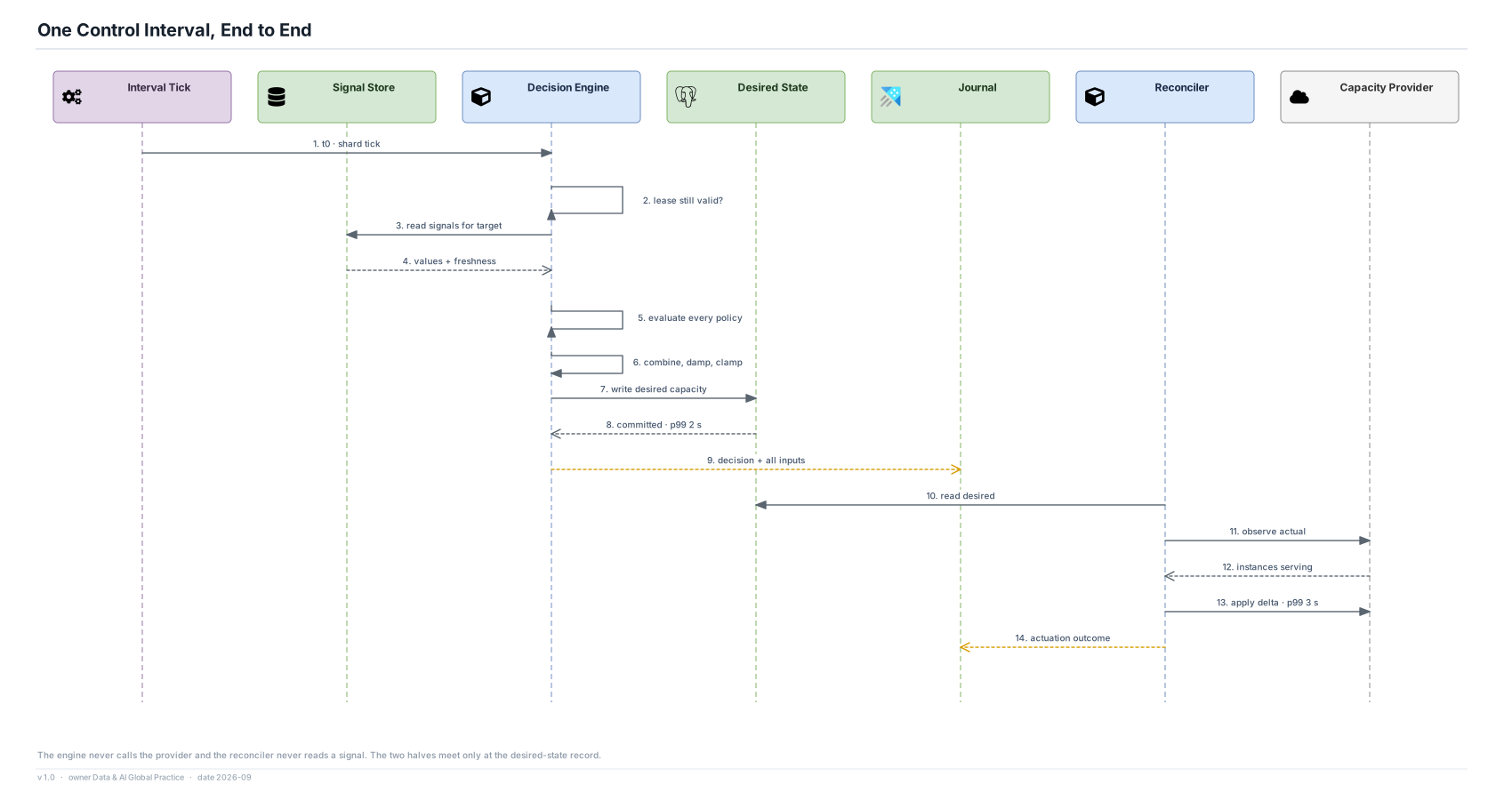
One Control Interval
Tick to actuation call, with the two halves meeting only at the record.
-
19
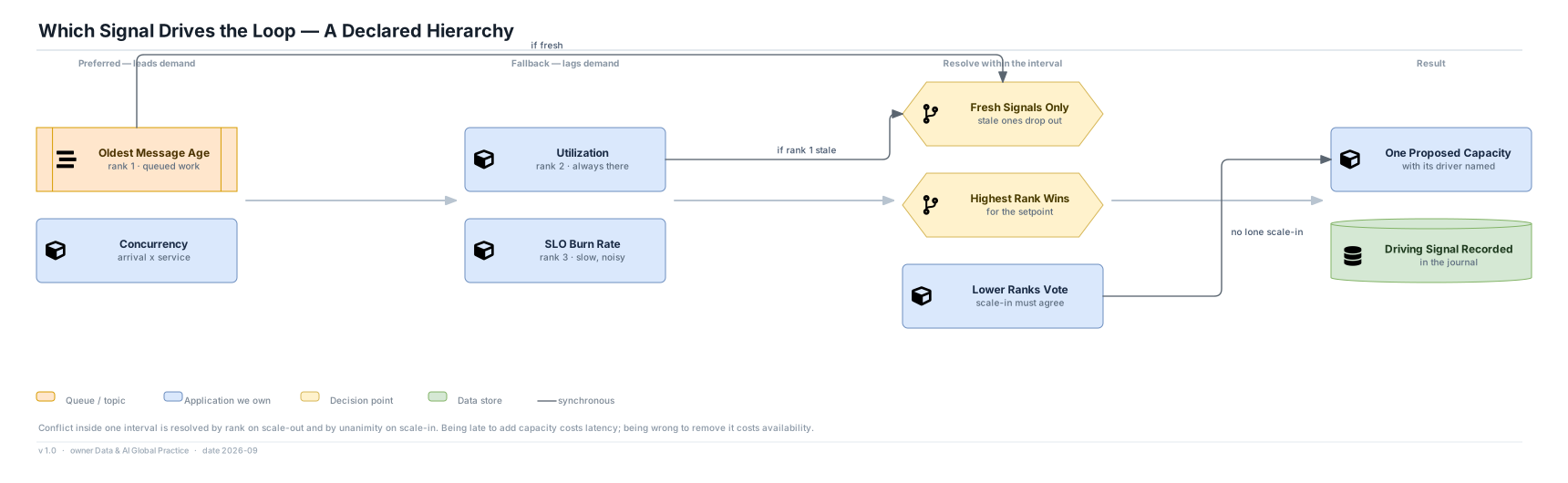
Which Signal Drives the Loop
A declared hierarchy, and how conflicting signals are reconciled inside one interval.
-
20
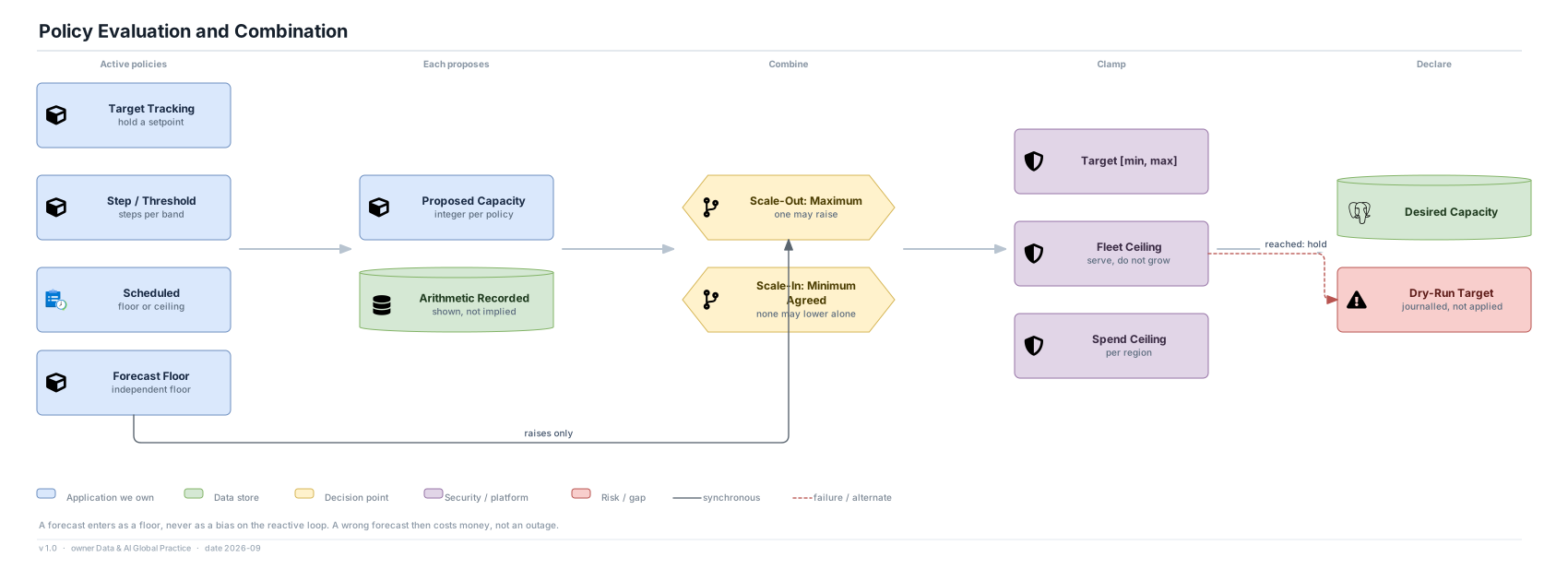
Policy Evaluation and Combination
Three policy forms plus a forecast, one proposed number, then the clamps.
-
21
Stability and Oscillation Control
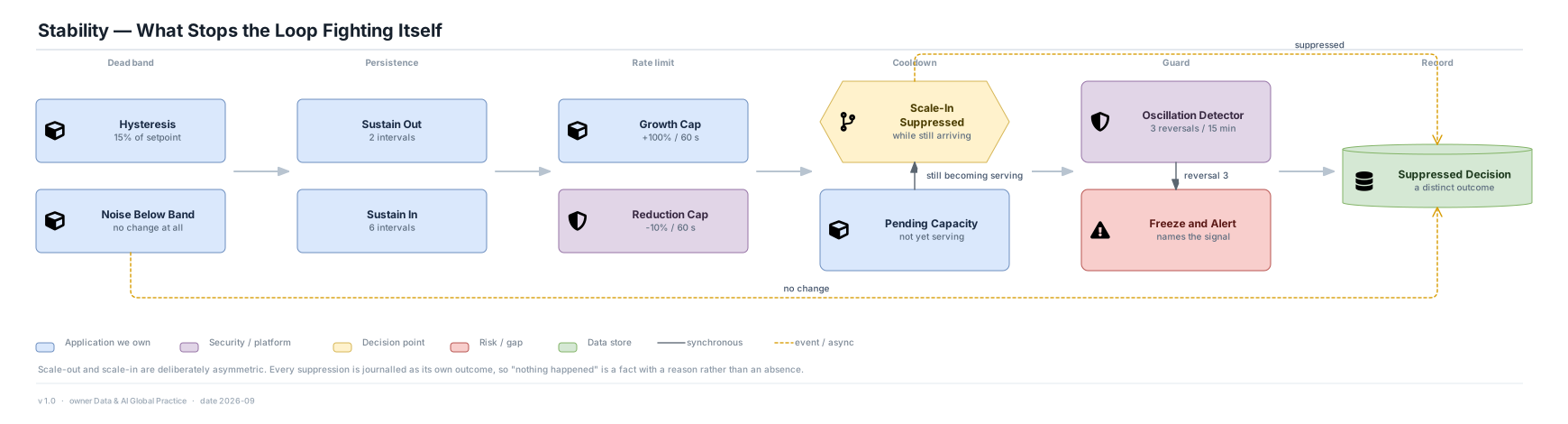
Five mechanisms in series, and the record that every suppression leaves behind.
-
22
Scale-Out
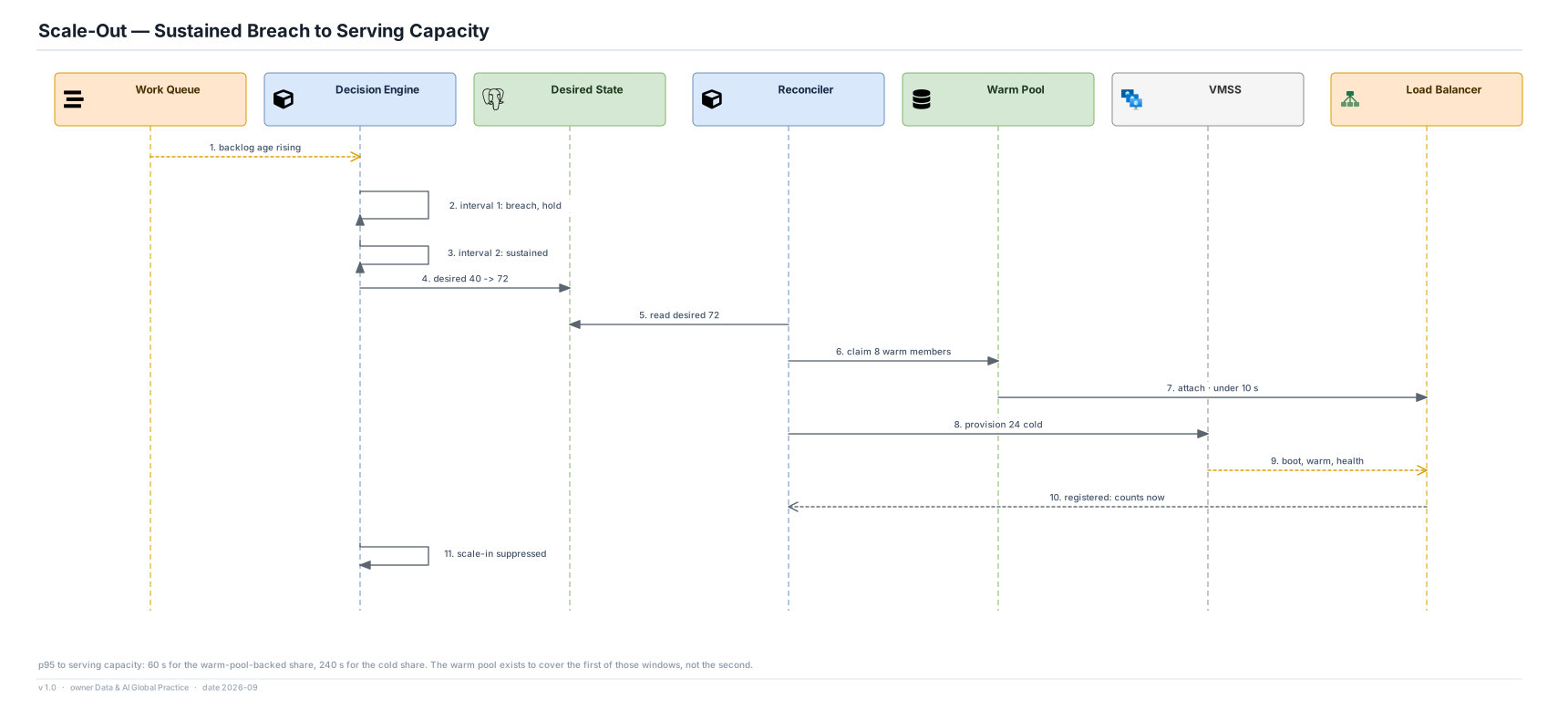
A sustained backlog breach, through the warm pool and past it, to registered capacity.
-
23
Scale-In
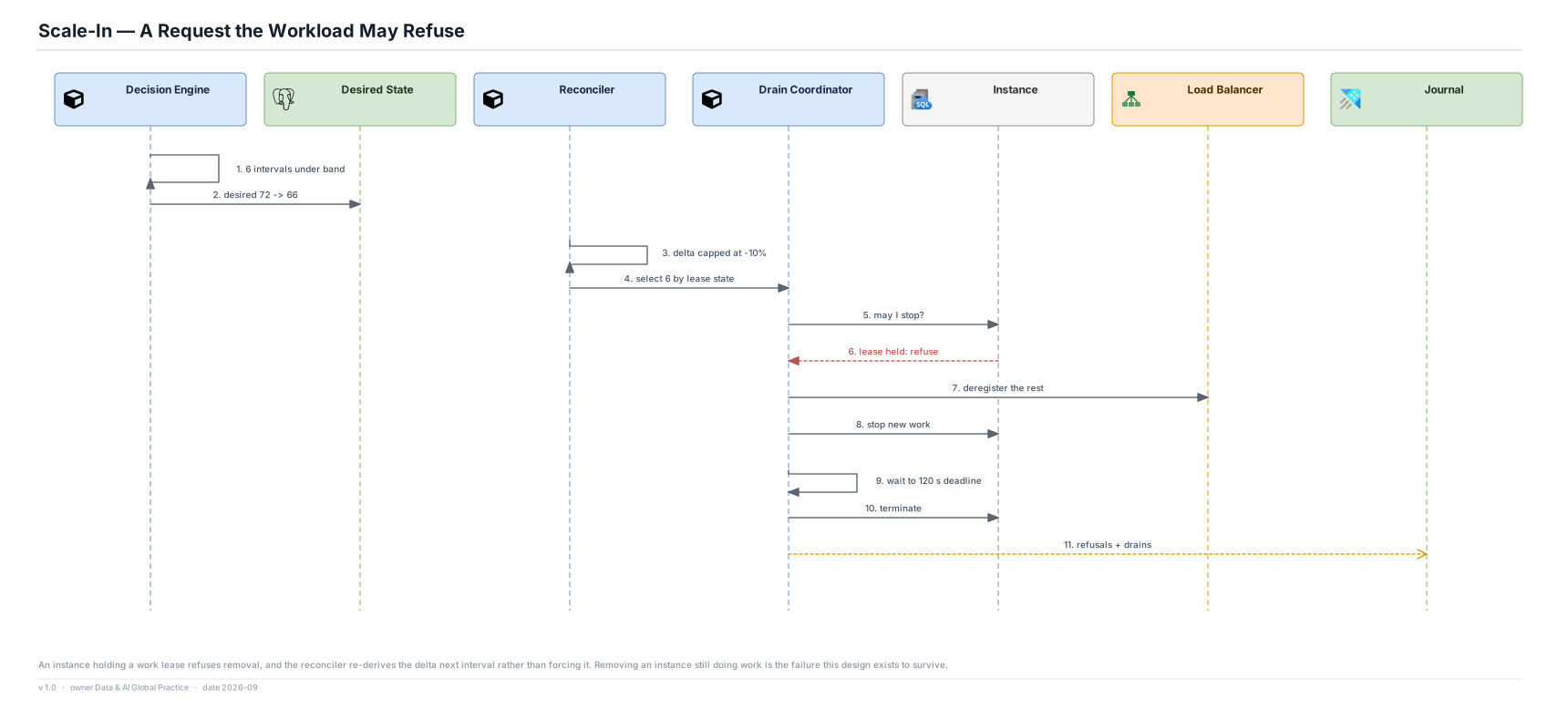
How removal is made safe, and the instance that is allowed to say no.
-
24
Warm Pool Lifecycle
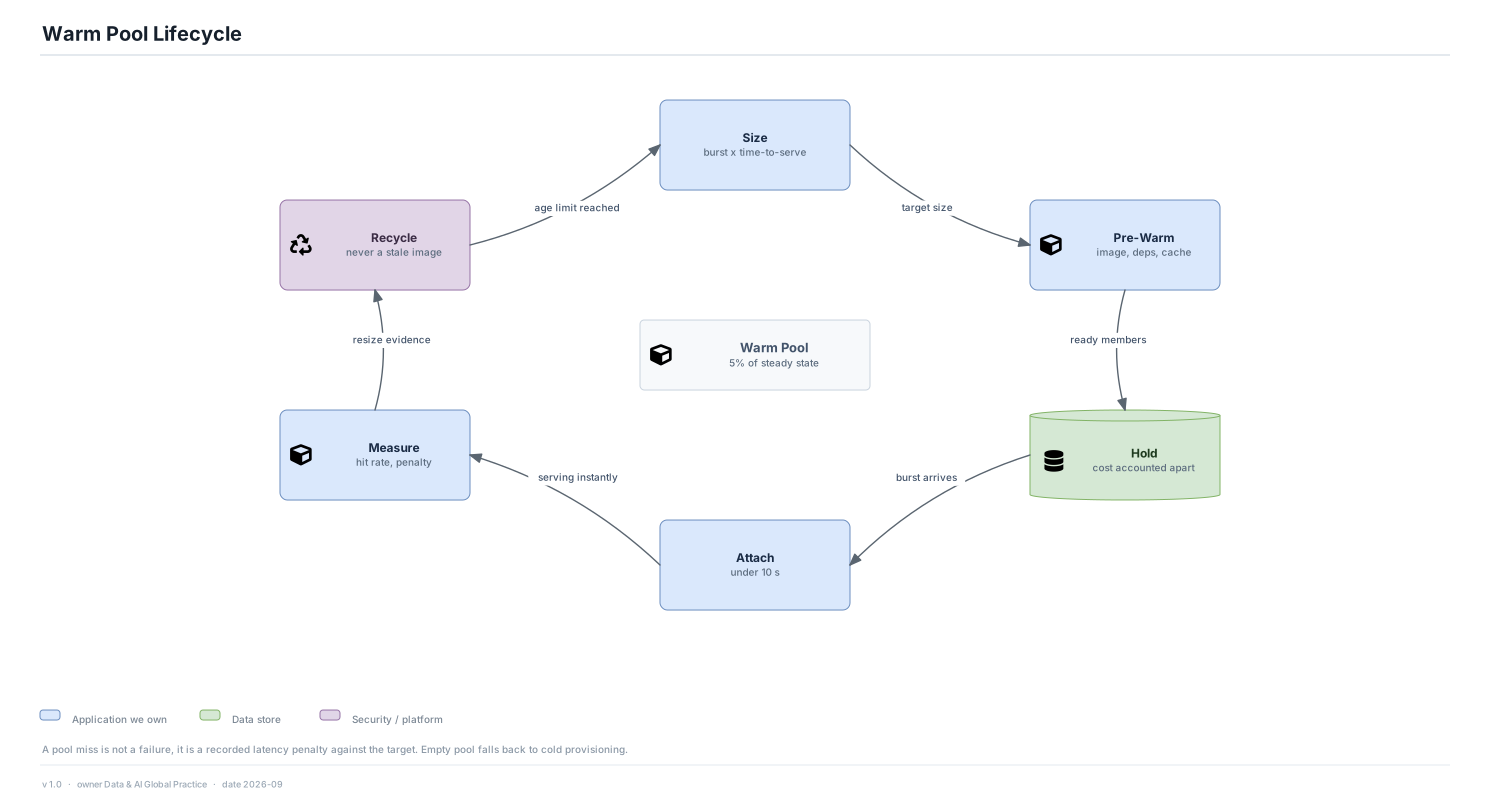
Size, warm, hold, attach, measure, recycle — and what it costs to hold it.
-
25
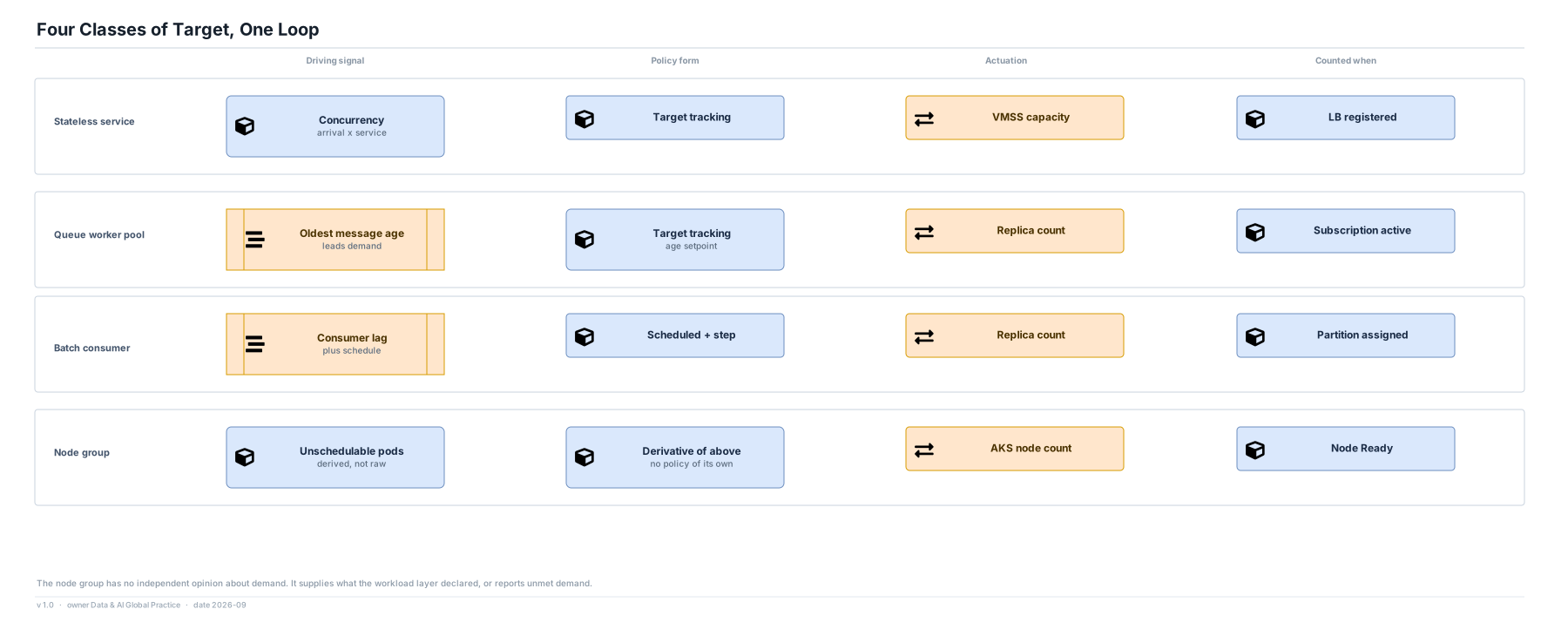
Four Classes of Target
The same loop, four driving signals, four definitions of "serving".
-
27
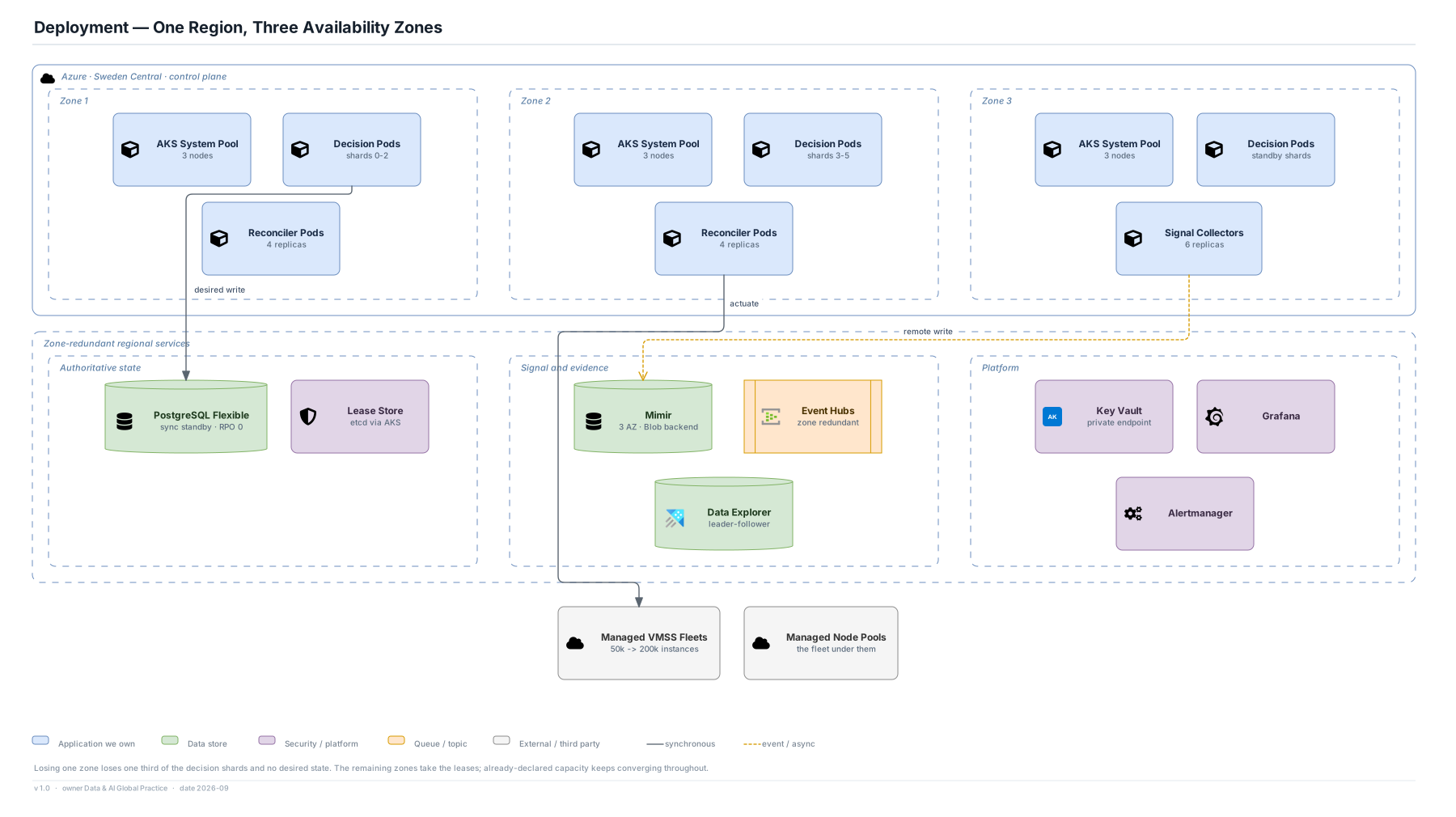
Deployment Architecture
One region, three zones, and what surviving the loss of one of them actually means.
-
28
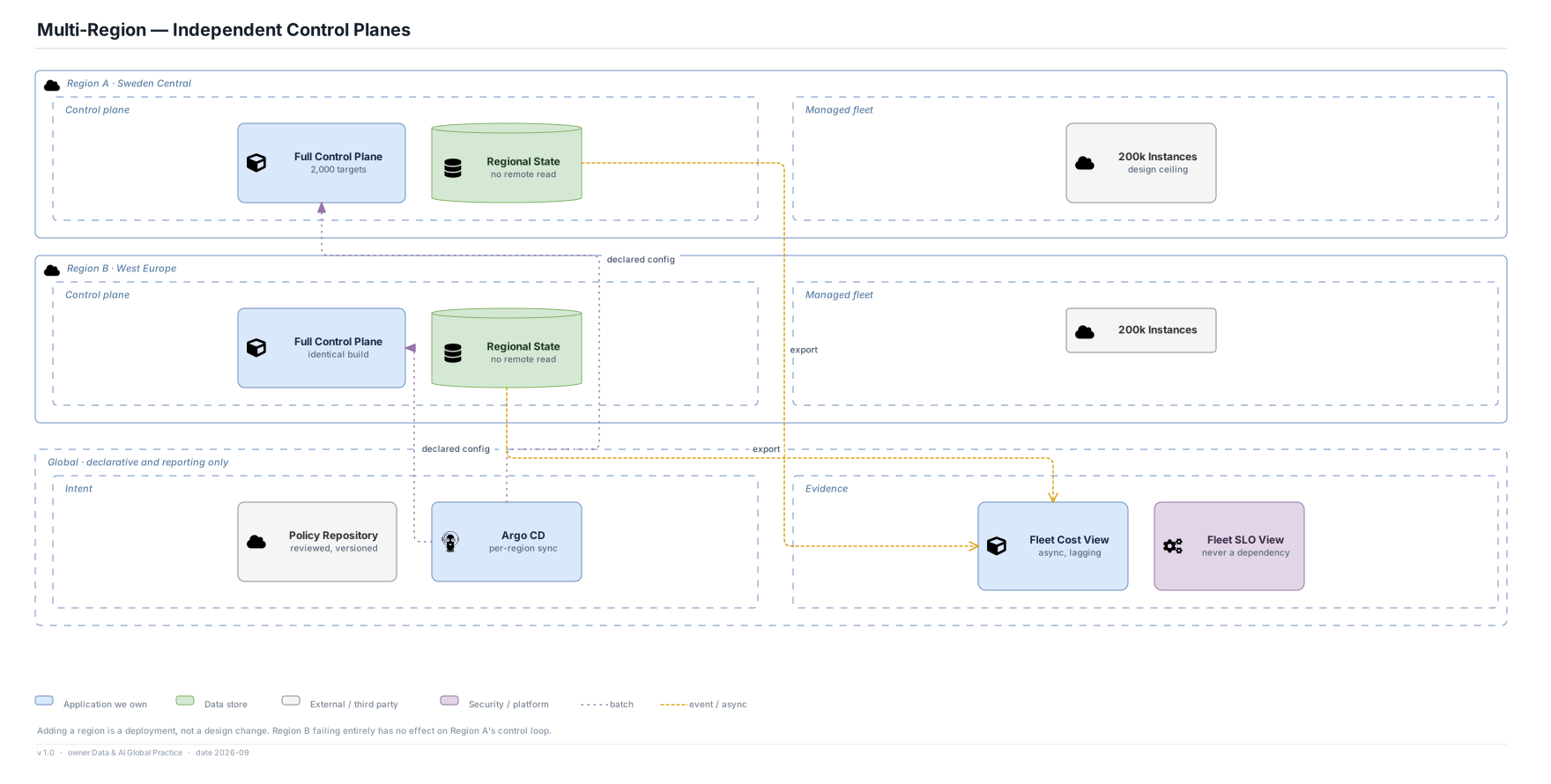
Multi-Region Topology
Two identical control planes that share intent and nothing else.
-
29
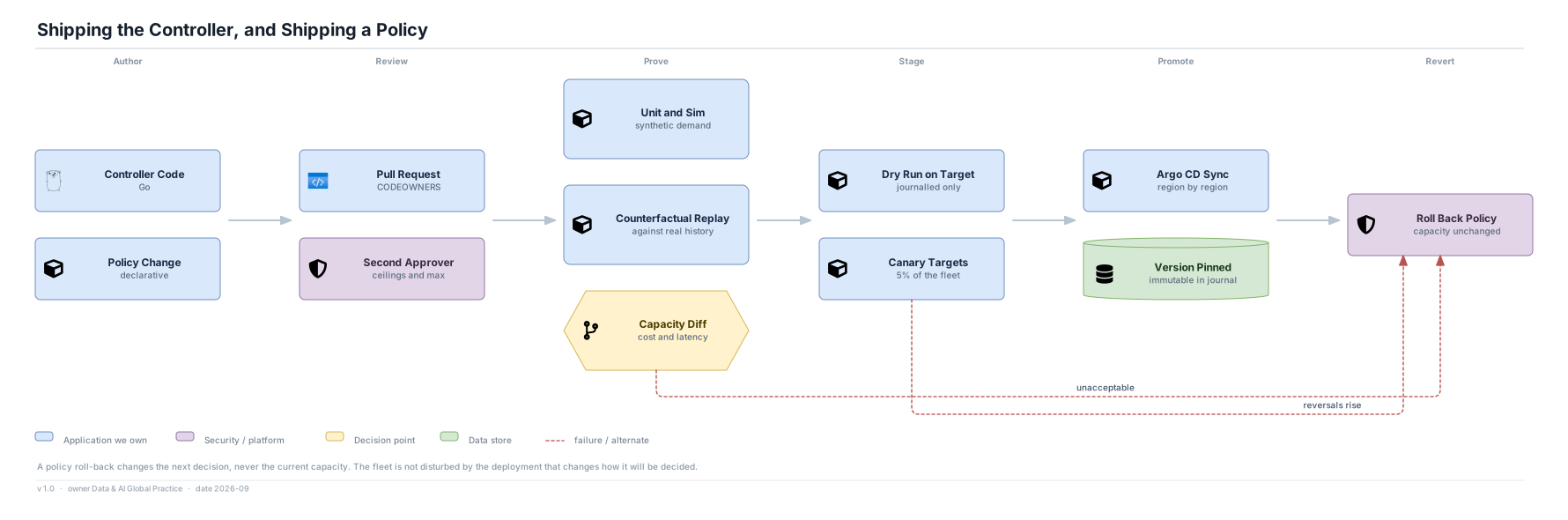
CI/CD and Policy Promotion
Two things ship here — the controller, and the rules it decides by — and only one of them can move a fleet.
-
30
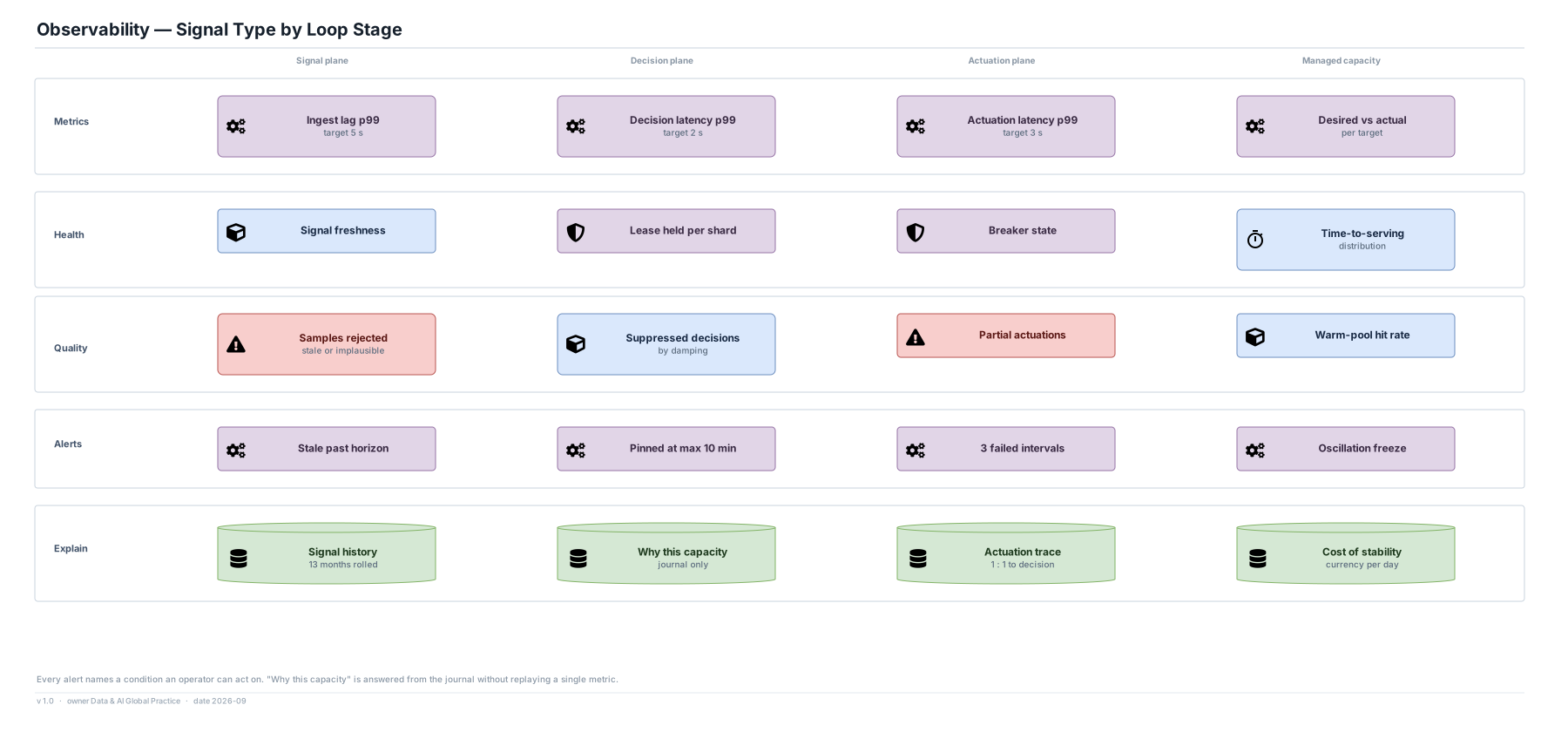
Observability
Signal type by loop stage, and the alerts an operator can actually act on.
-
31
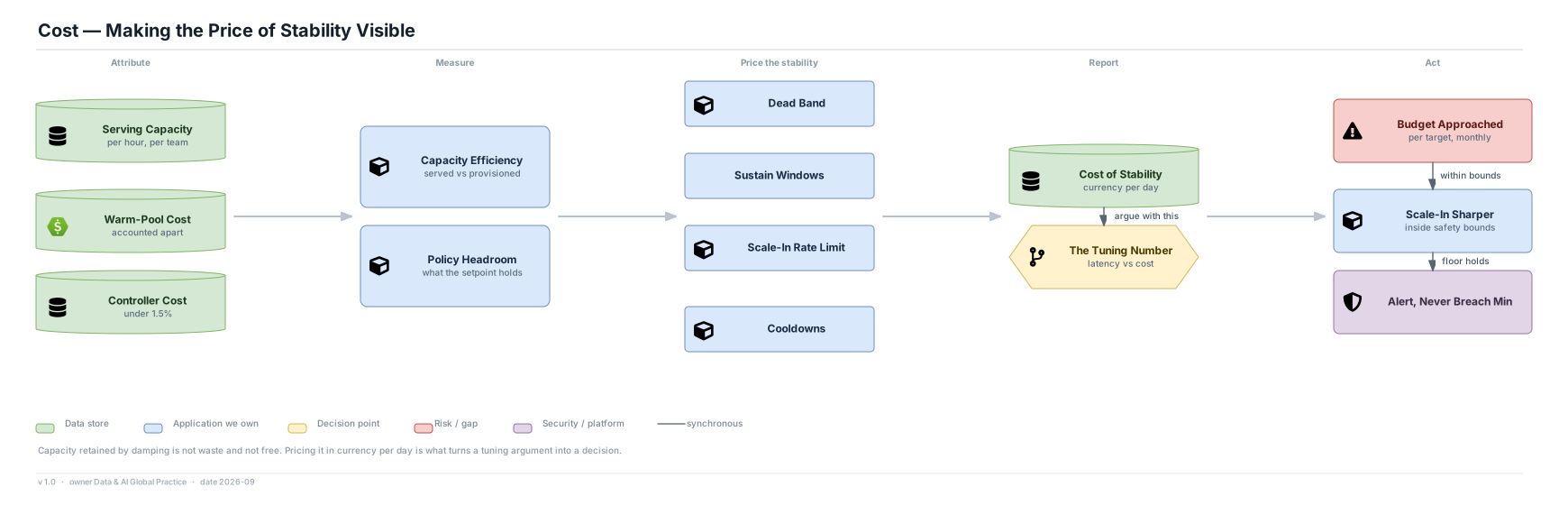
Cost and the Price of Stability
Attribution, efficiency, and the one number a policy is actually tuned against.
-
32
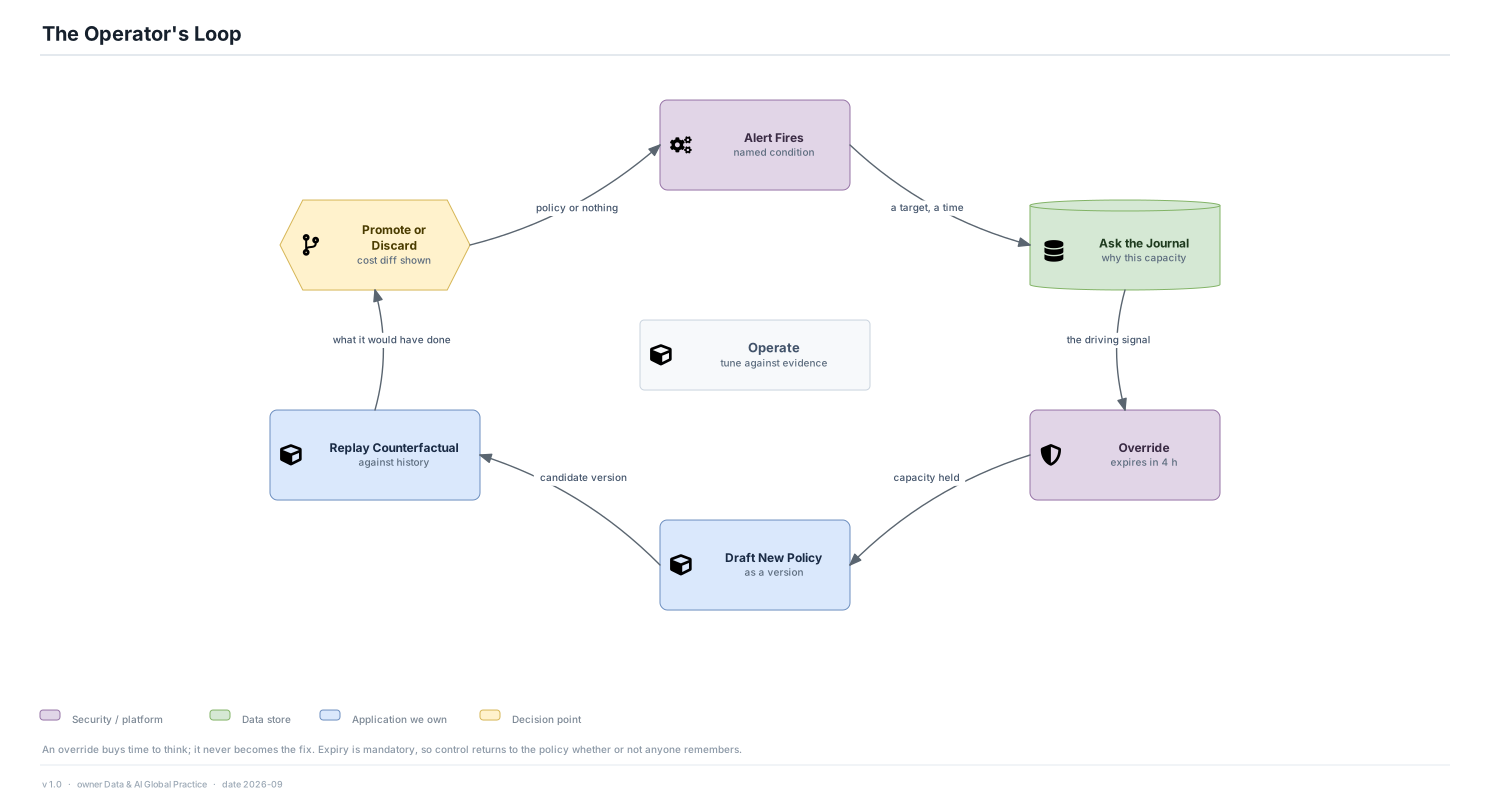
The Operator's Loop
Alert, ask the journal, buy time, propose a policy, prove it, promote or discard.
-
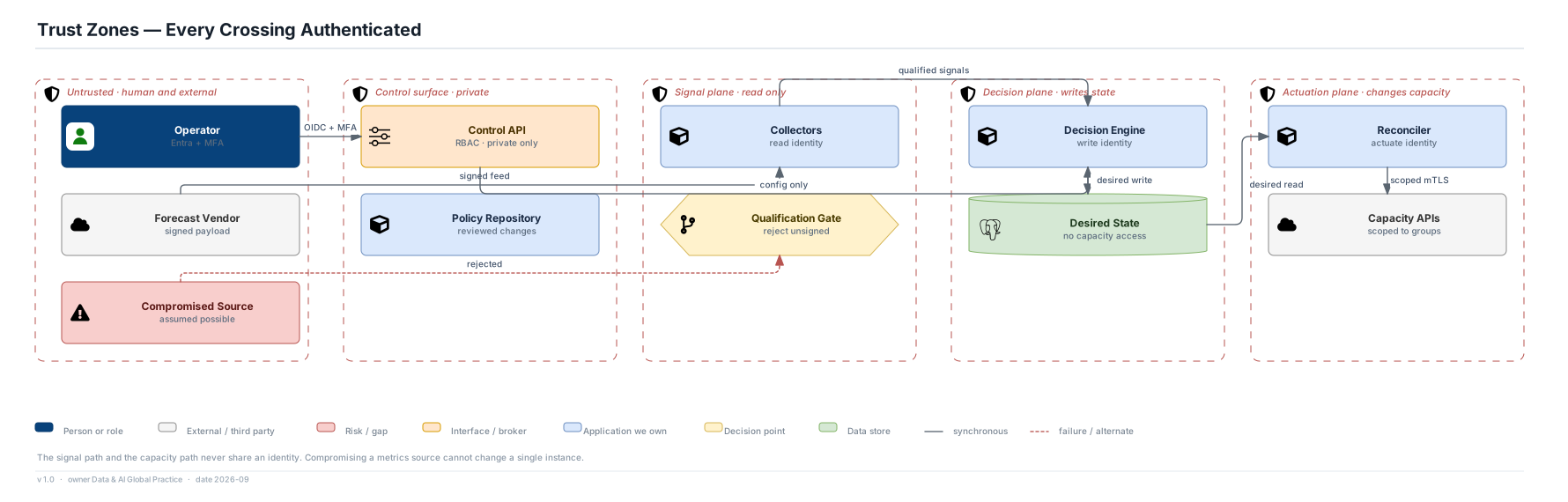
33
Trust Zones
Five zones, and every crossing authenticated and labelled.
-
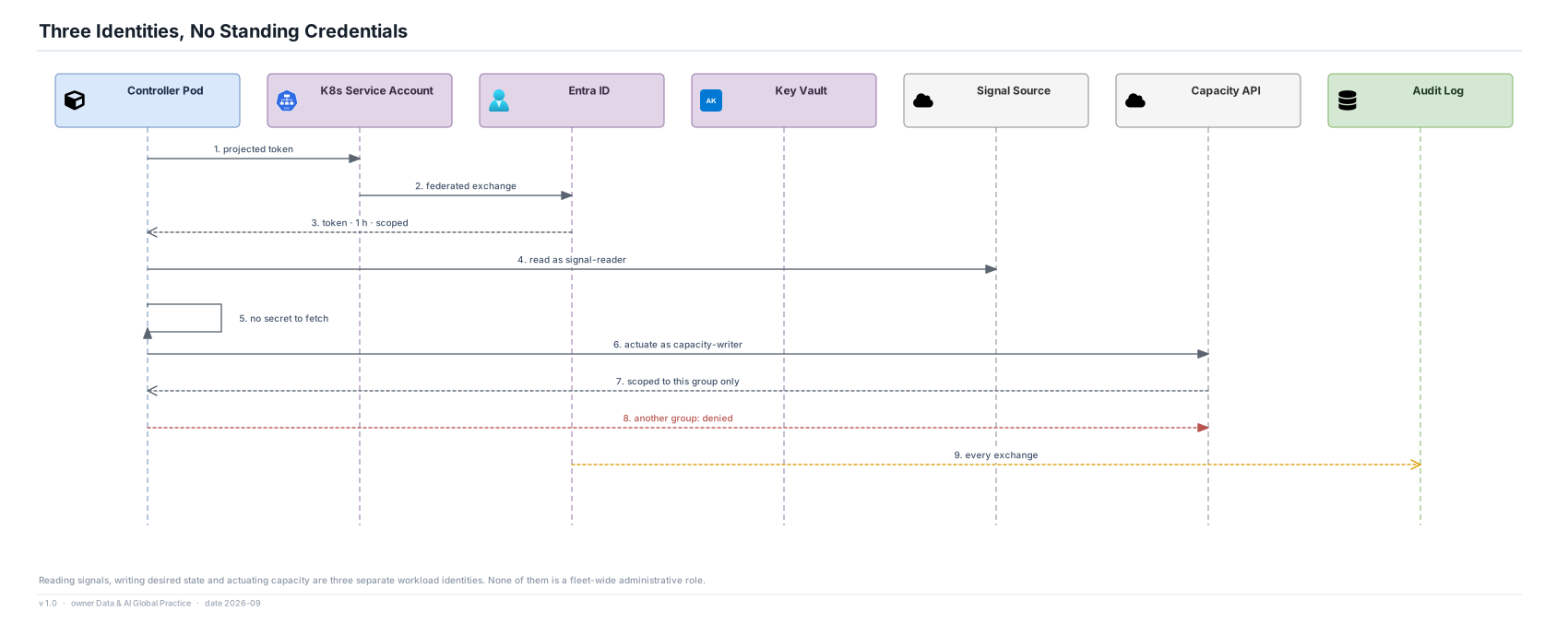
34
Identity Separation
Three workload identities, federated, short-lived, and scoped to the capacity groups they manage.
-
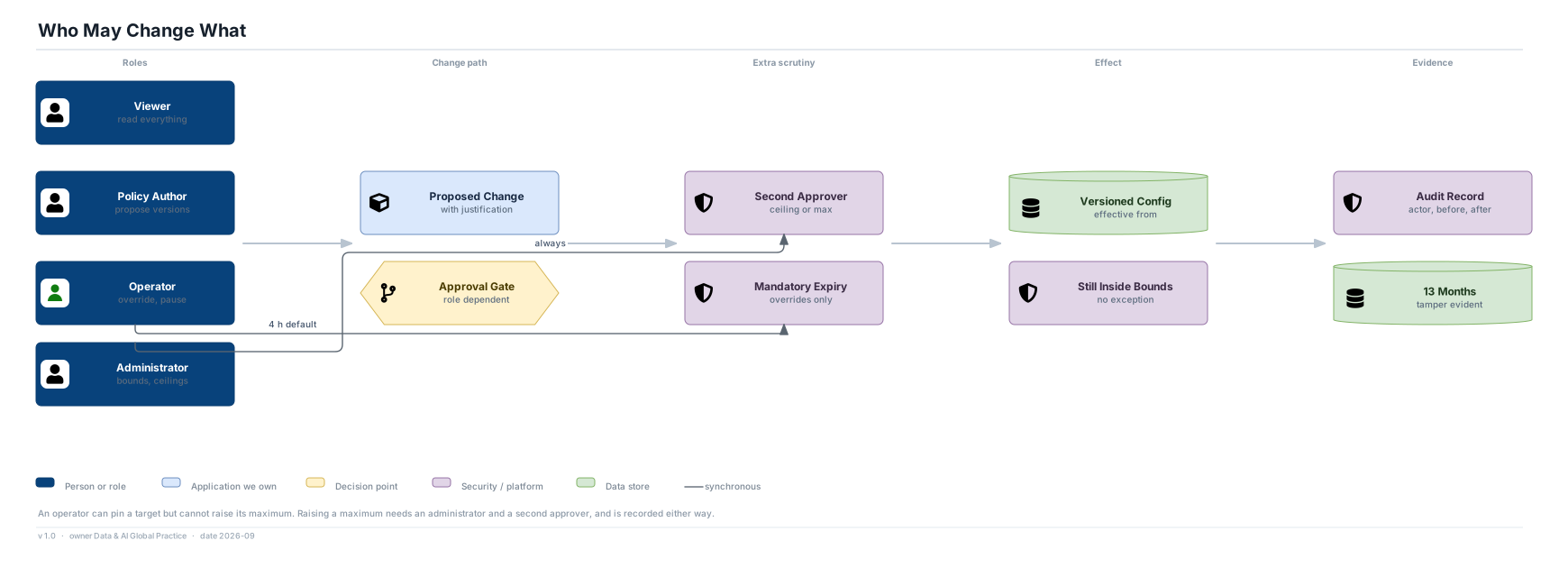
35
RBAC and Change Control
Four roles, one change path, and the two things that need a second pair of eyes.
-
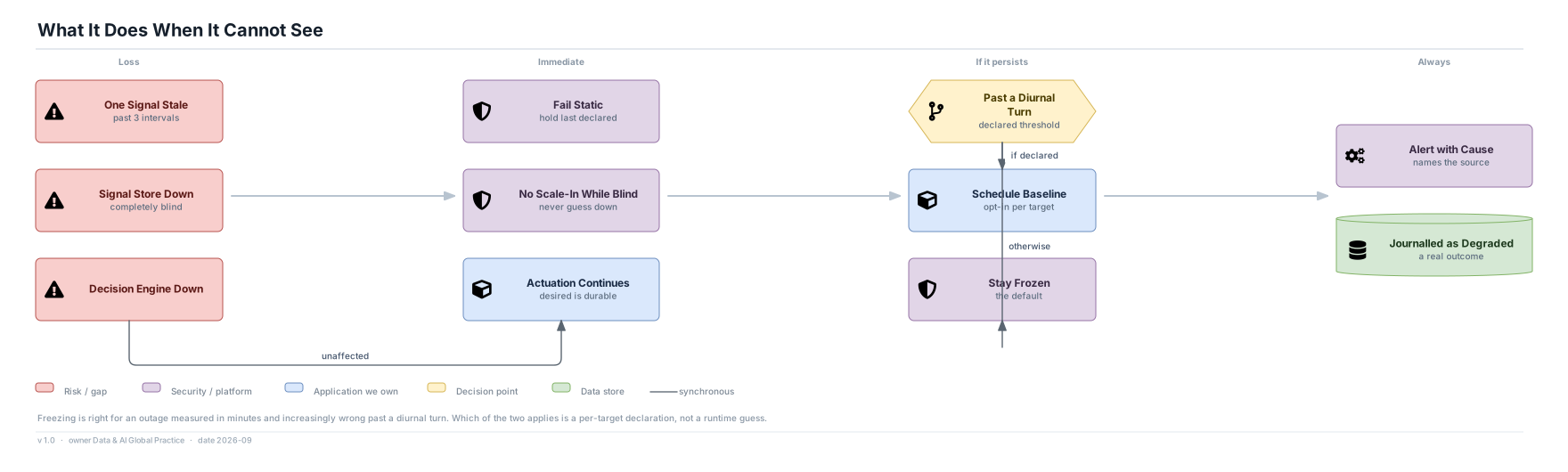
36
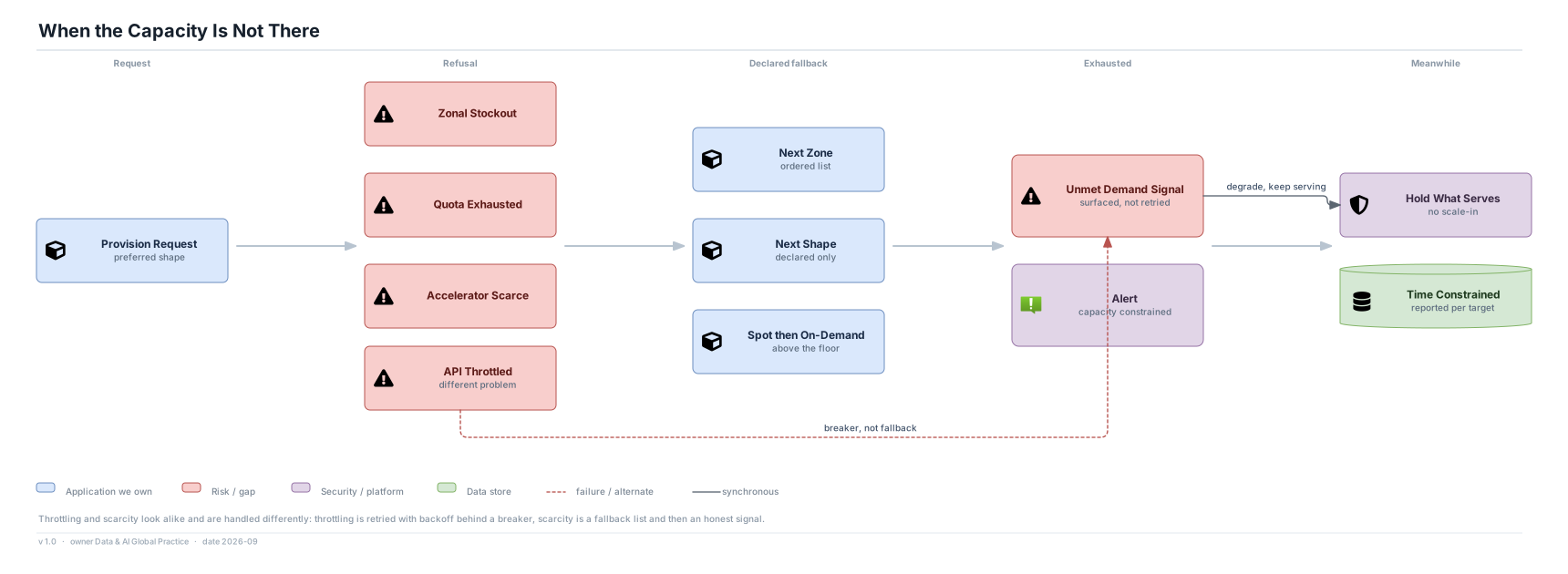
What It Does When It Cannot See
Fail static, then — only if declared — decay towards a schedule.
-
37
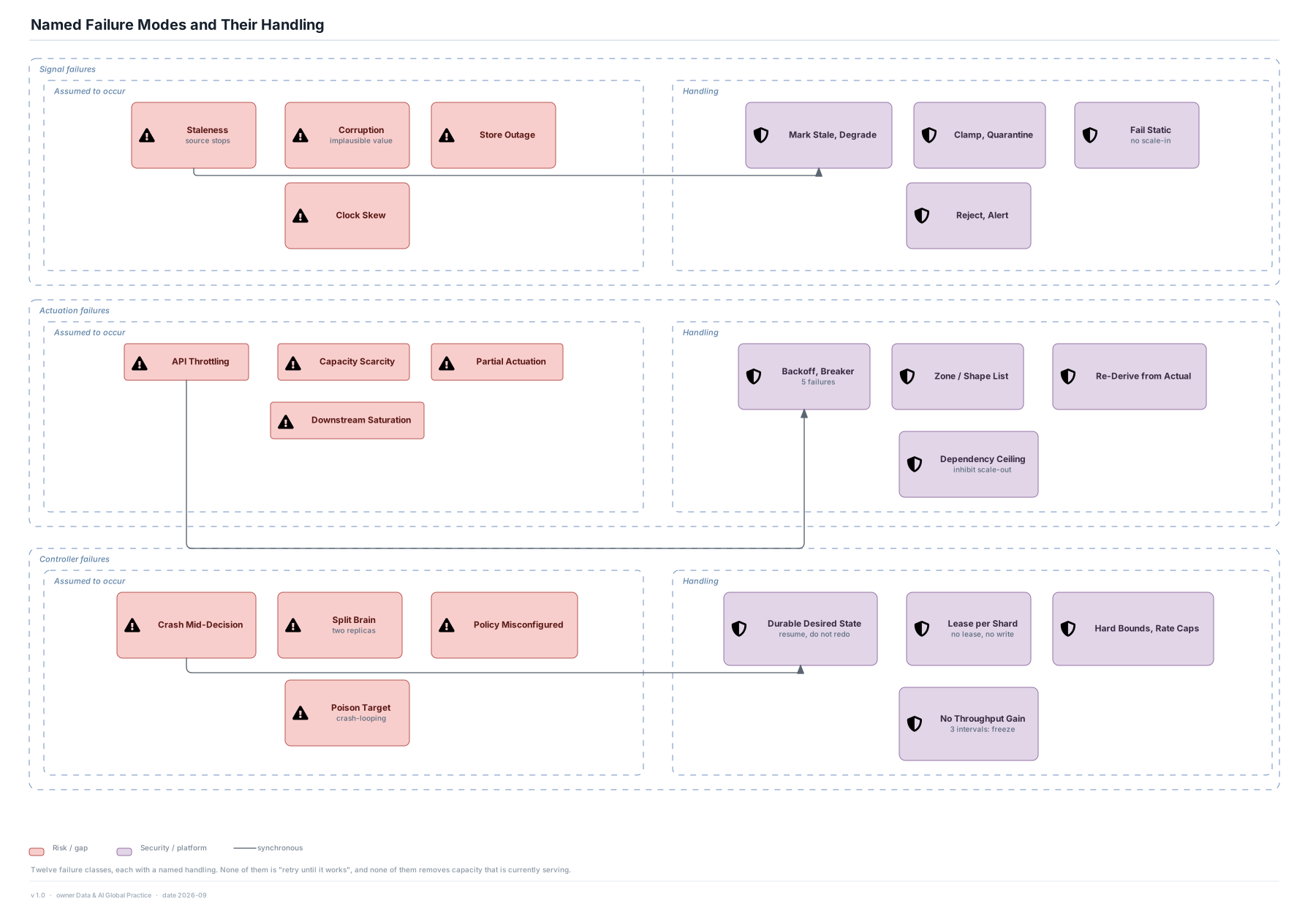
Failure Modes
Twelve classes assumed to occur, each with its named handling.
Everything as it was delivered.
These files are served exactly as they were produced — the diagram pages keep their own house style because that is the artifact, not a rendering of it.