Autoscaling Controller · View 34 of 37 · 6 · Assurance
Decisions
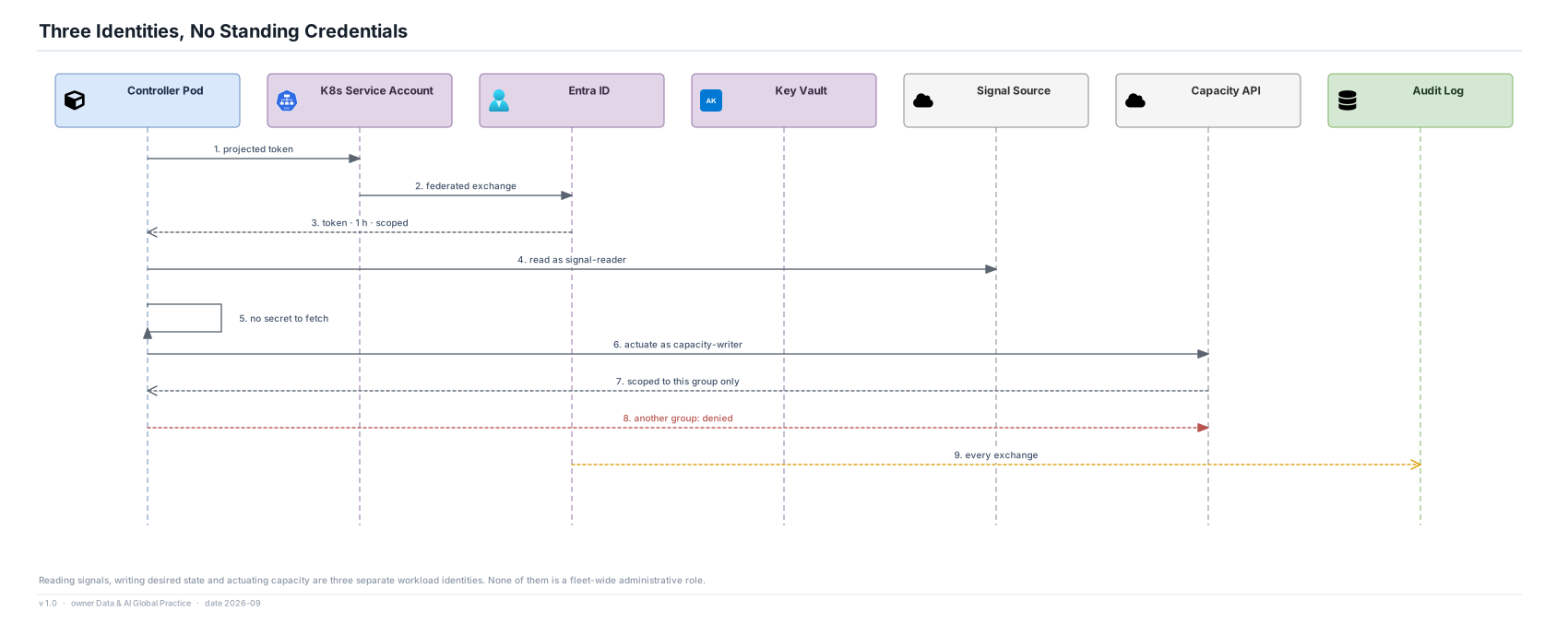
- Separate identities for reading signals, writing desired state and actuating capacity.
- No standing credentials: a projected service-account token is federated to Entra ID for a scoped one-hour token.
- No fleet-wide administrative role exists. An actuation identity is scoped to named capacity groups and denied outside them.
Why three and not one
- One identity would mean a compromise anywhere in the controller could change the fleet's size.
- Three means the highest-volume, lowest-trust path — signal collection, talking to dozens of external exporters — carries the least authority in the system.
Evidence
- Every token exchange is audited. Every configuration change and override carries actor, target, before/after and justification, retained 13 months.