AI Agent Orchestration Platform
A centralised runtime and control plane for designing, deploying, orchestrating, observing and governing AI agents and multi-agent workflows on Azure. Eight decisions carry the design: the control plane and the execution plane are separated absolutely, and the interface between them is a signed immutable bundle rather than a shared database; durable execution runs on Azure Durable Functions behind a workflow-engine port, so the engine can be replaced without touching agent code; every model call goes through API Management as an AI gateway, so metering, token limits, semantic caching, circuit breaking and provider fallback are policy rather than application code; tools are out-of-process and least-privileged, with credentials brokered per call and code execution confined to Hyper-V isolated session sandboxes; policy is authored centrally as signed Rego bundles and evaluated locally in every worker, so a control-plane outage cannot make policies fail open; delivery is at-least-once with idempotency pushed to the handler; memory is four stores rather than one, each permission-filtered and audited; and budget is reserved at admission, so a run cannot start that it cannot afford to finish.
32 views, each in three formats.
Open a view to read it in full. Every SVG carries its diagram source inside it, so it opens in diagrams.net fully editable with no import step; the draw.io files are the same diagrams as plain source.
-
01
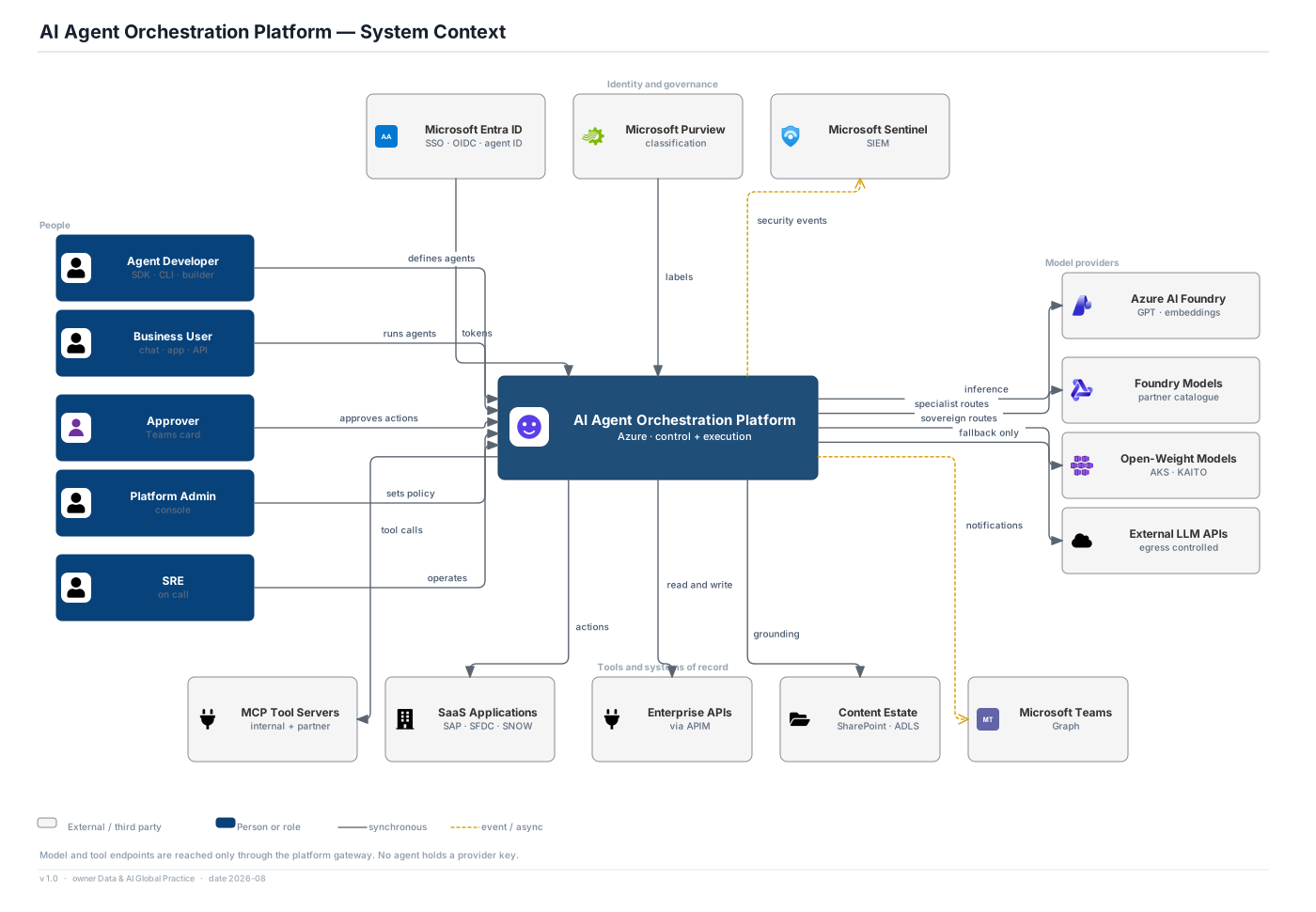
System Context
Who uses the platform, what it depends on, and where the boundary is drawn.
-
02
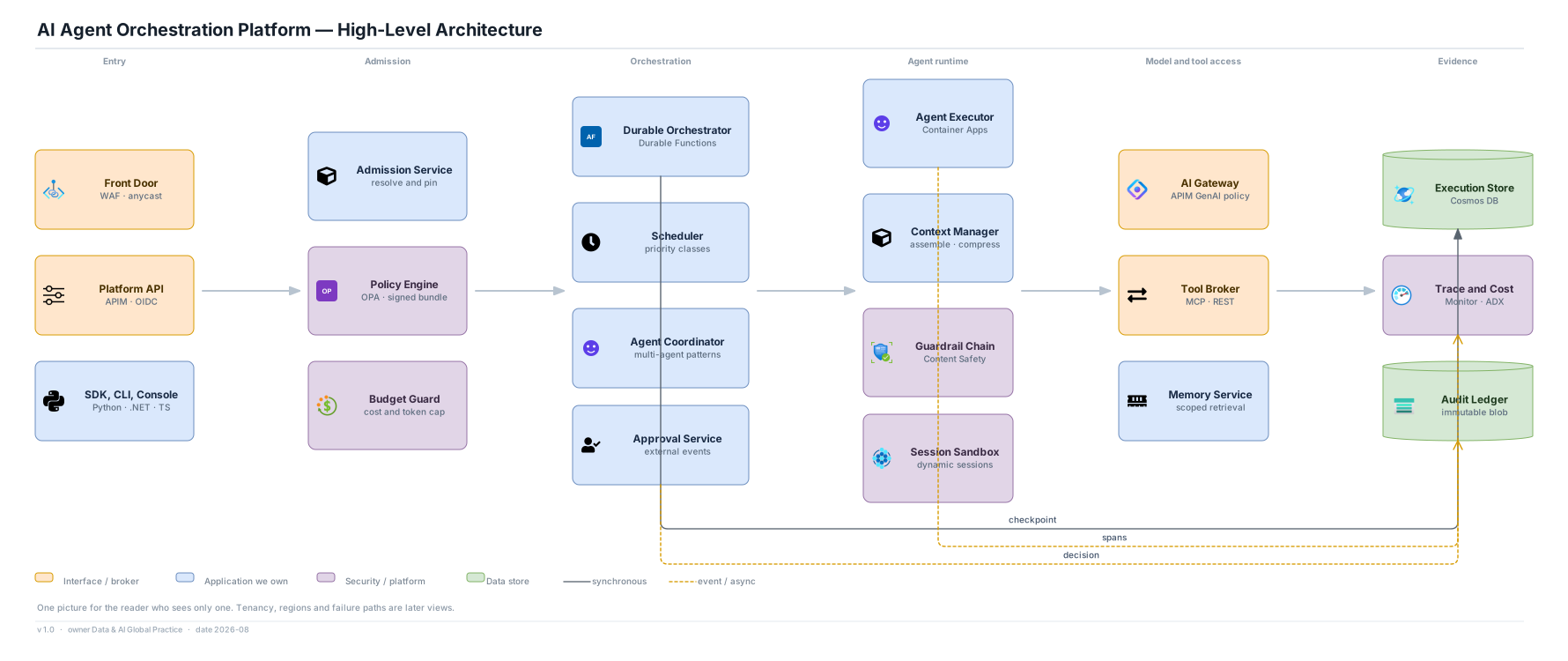
High-Level Architecture
The shape of the platform in one picture, for the reader who will see only one.
-
03
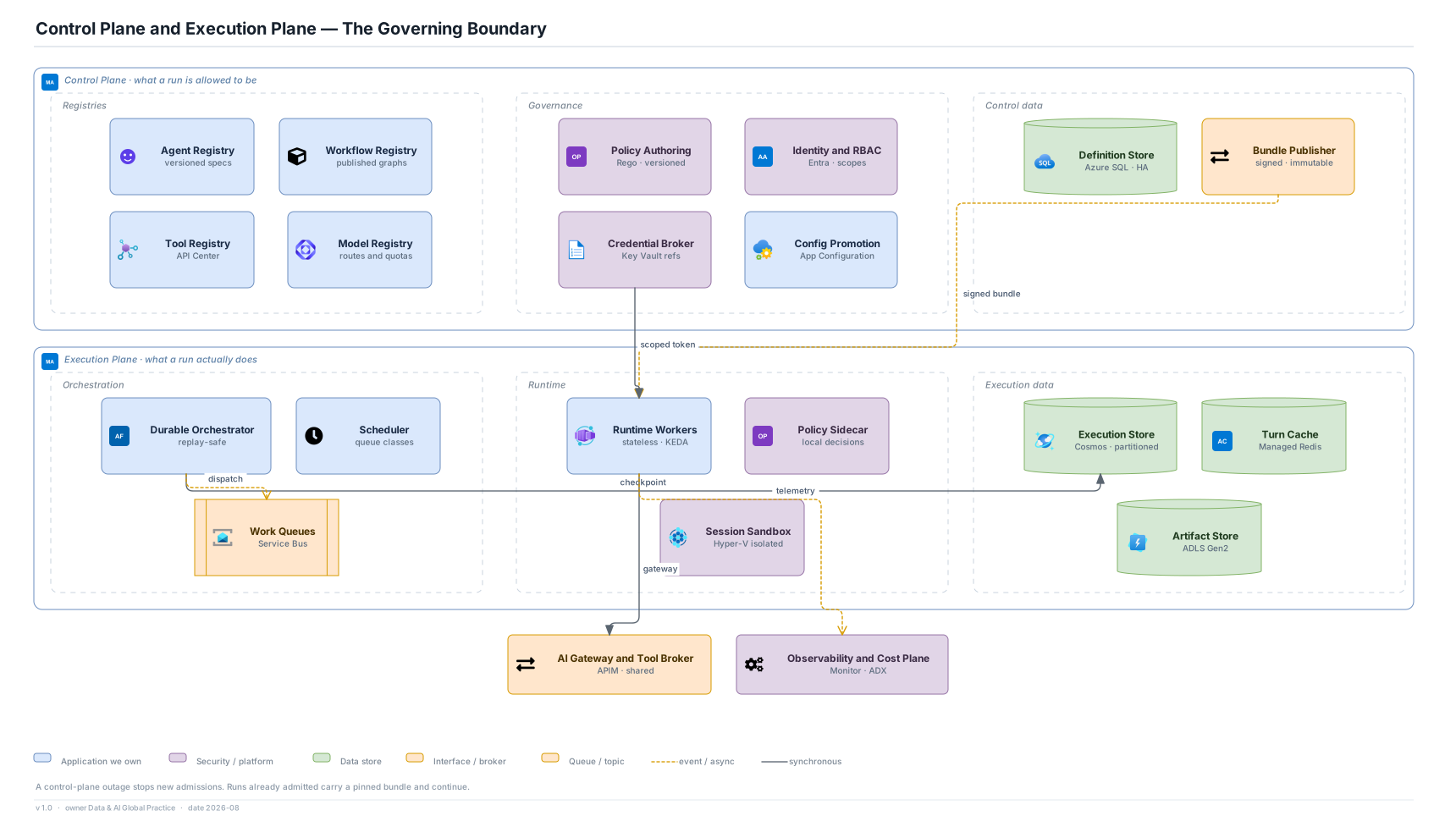
Control Plane and Execution Plane
The one architectural boundary that everything else on this site depends on.
-
04
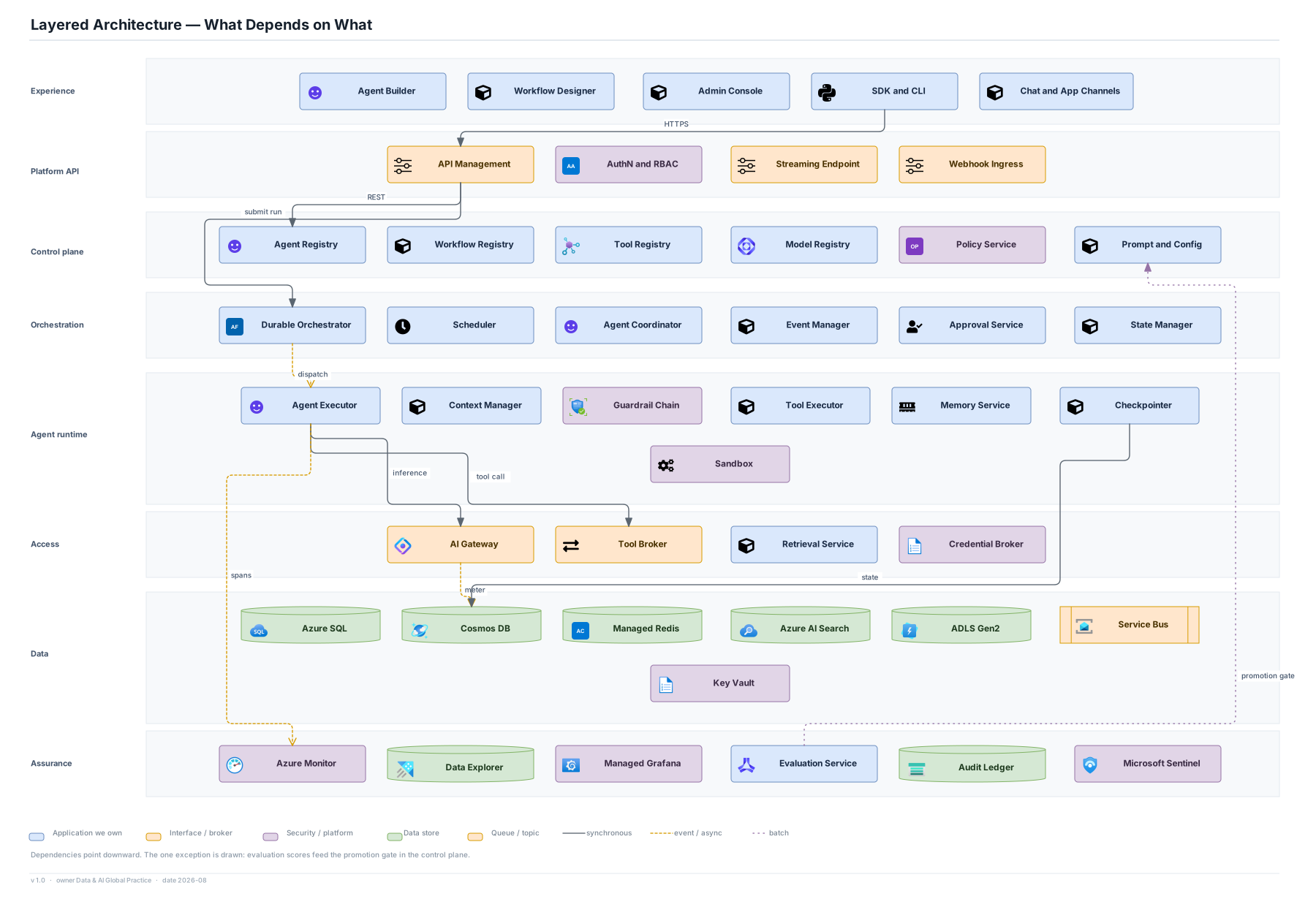
Layered Architecture
What depends on what, and the single dependency that points the wrong way.
-
05
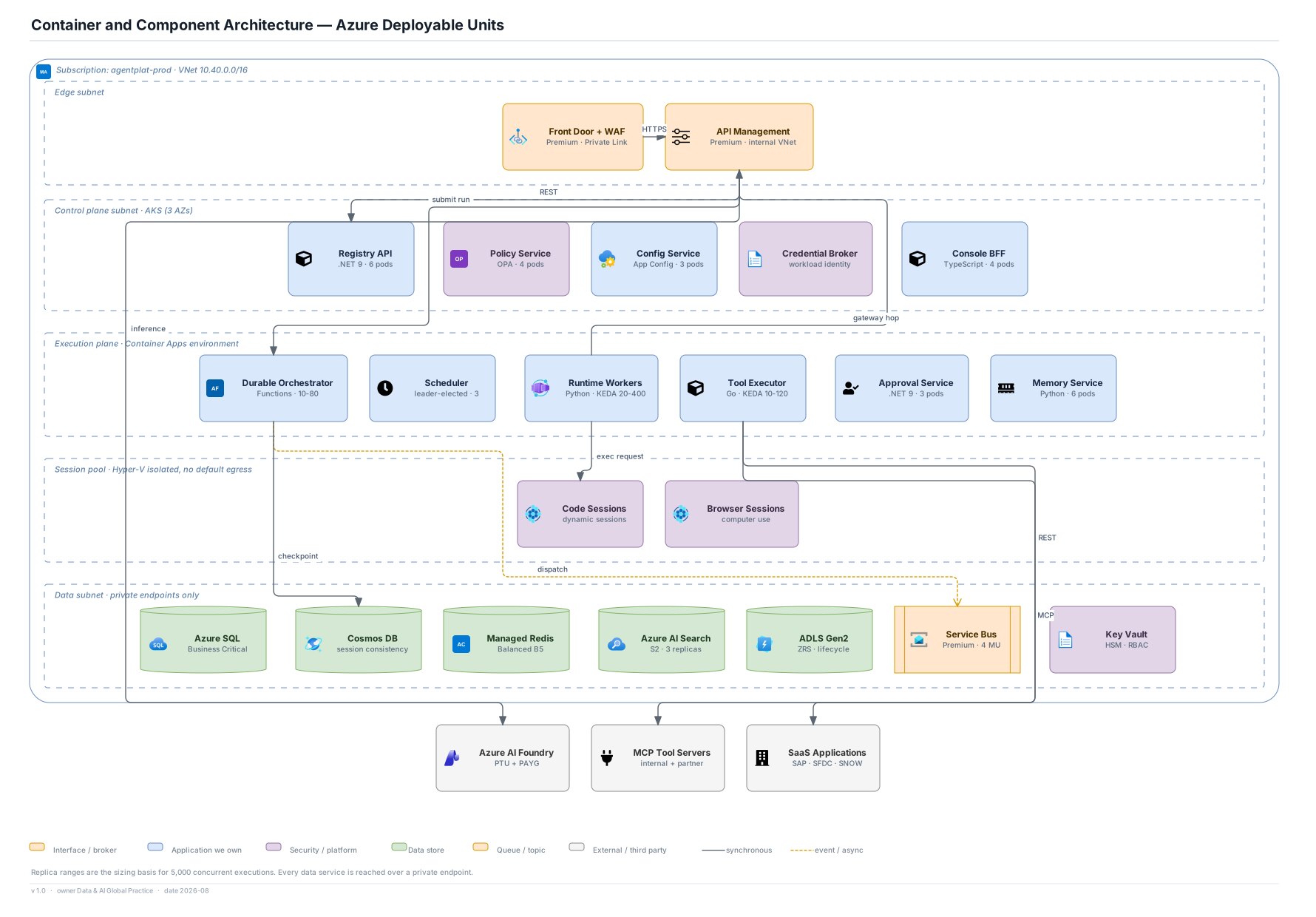
Container and Component Architecture
The deployable units, their technology, their replica ranges and the Azure service each one owns.
-
06
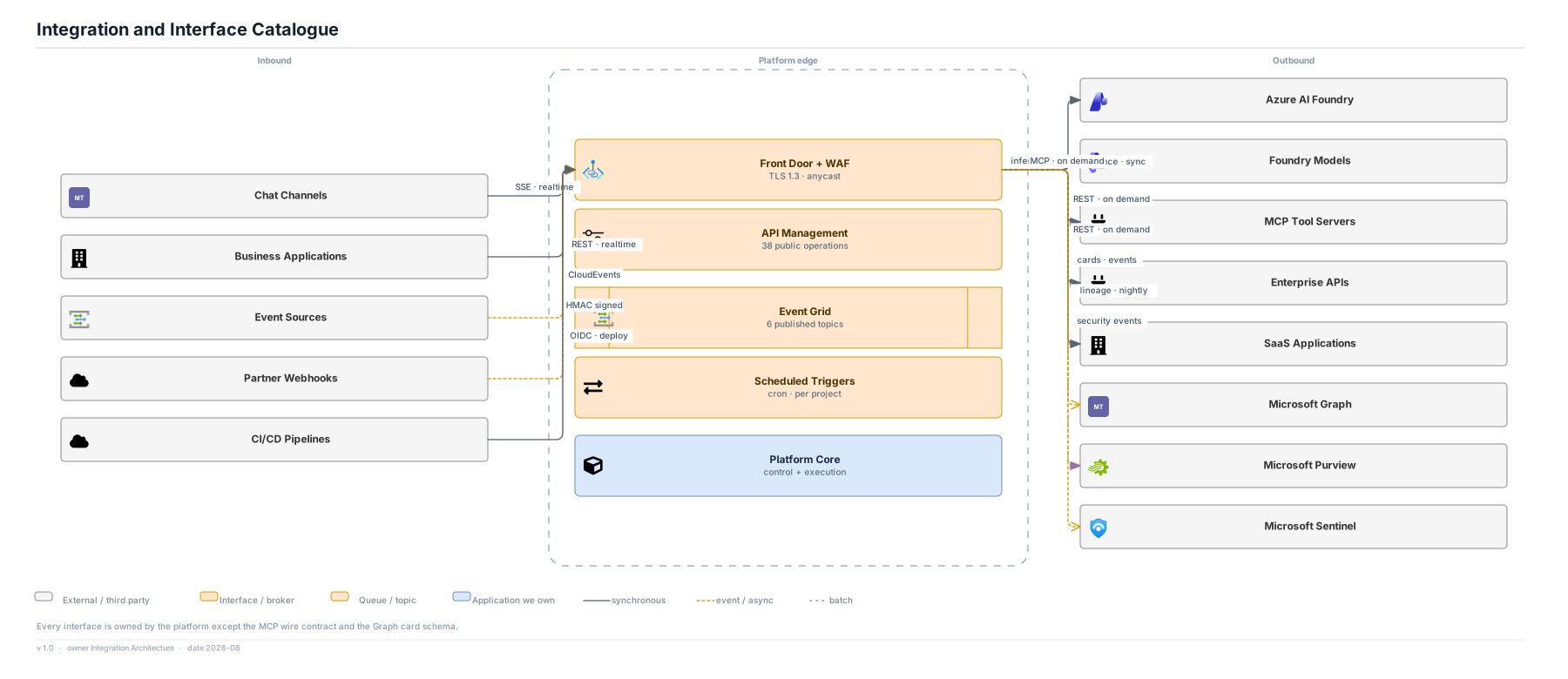
Integration and Interface Catalogue
Every way something enters or leaves the platform, with protocol, direction and cadence.
-
07
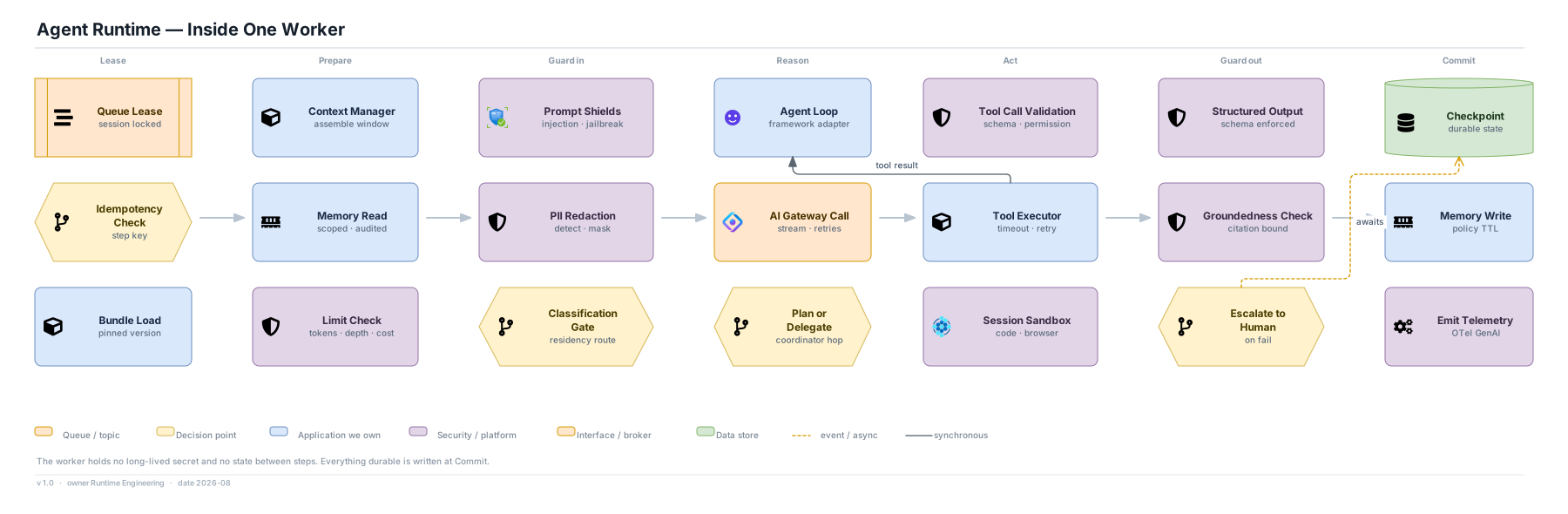
Agent Runtime Internals
What one worker does between leasing a step and committing it, and where the controls sit.
-
08
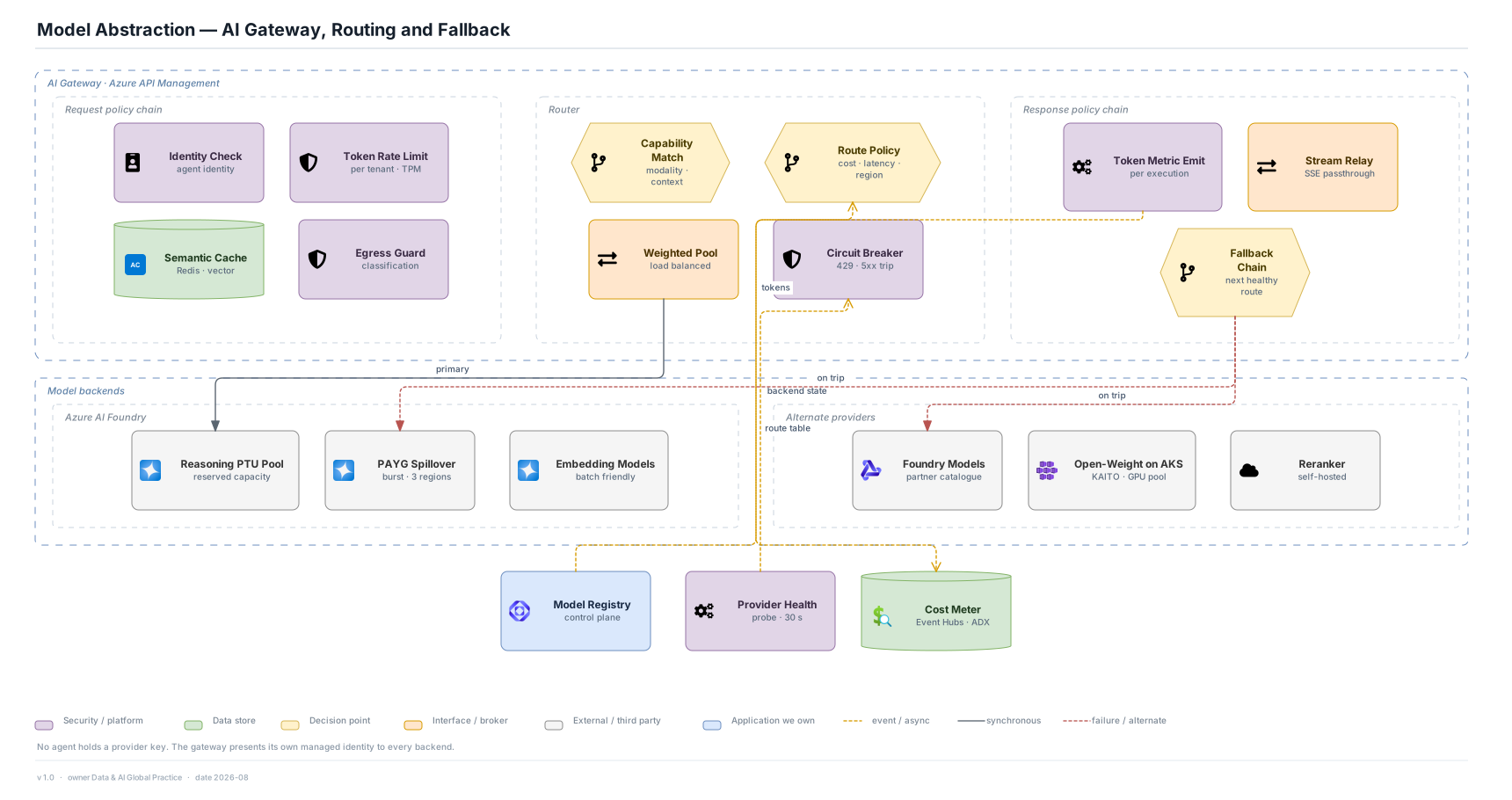
Model Abstraction and Routing
How a request for a capability becomes a call to a specific model, and what happens when that model is unavailable.
-
09
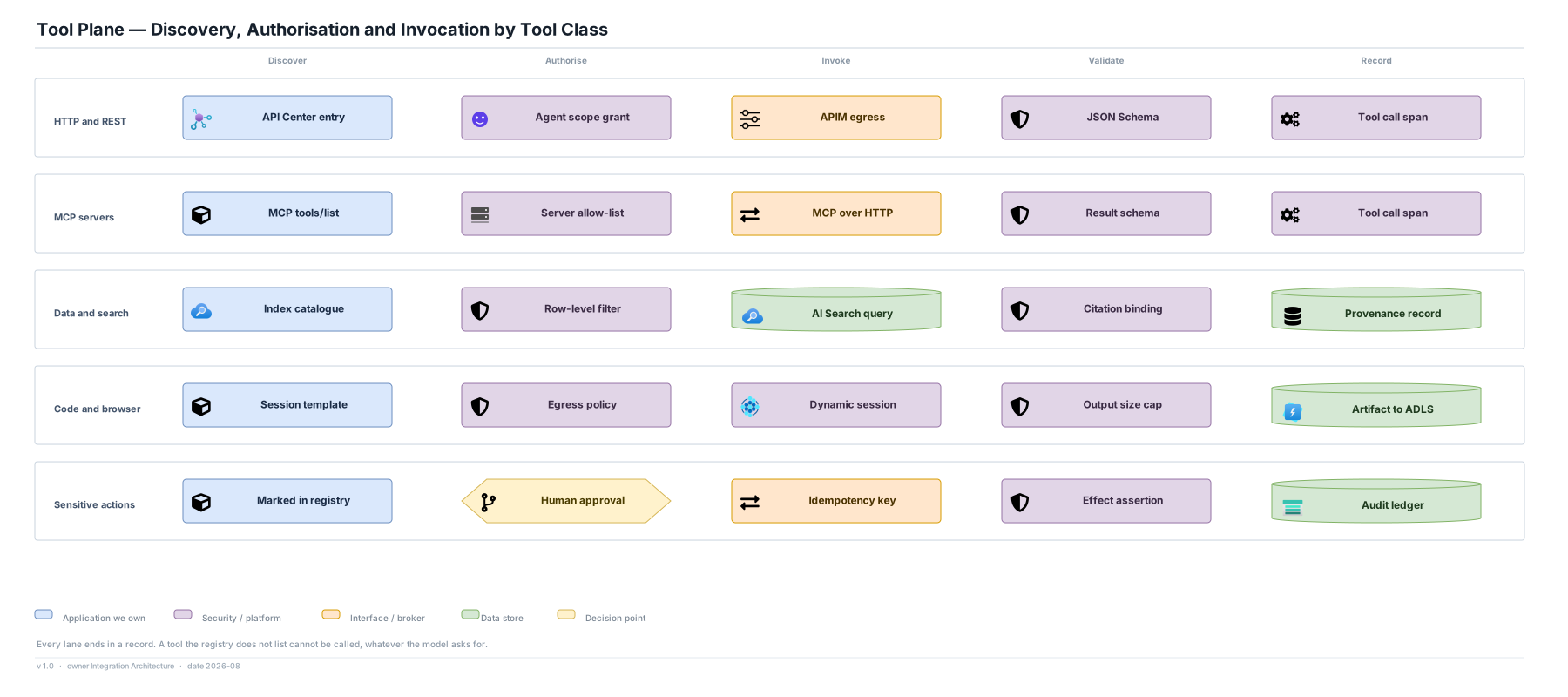
Tool Plane and Permissions
How each class of tool is discovered, authorised, invoked, validated and recorded.
-
10
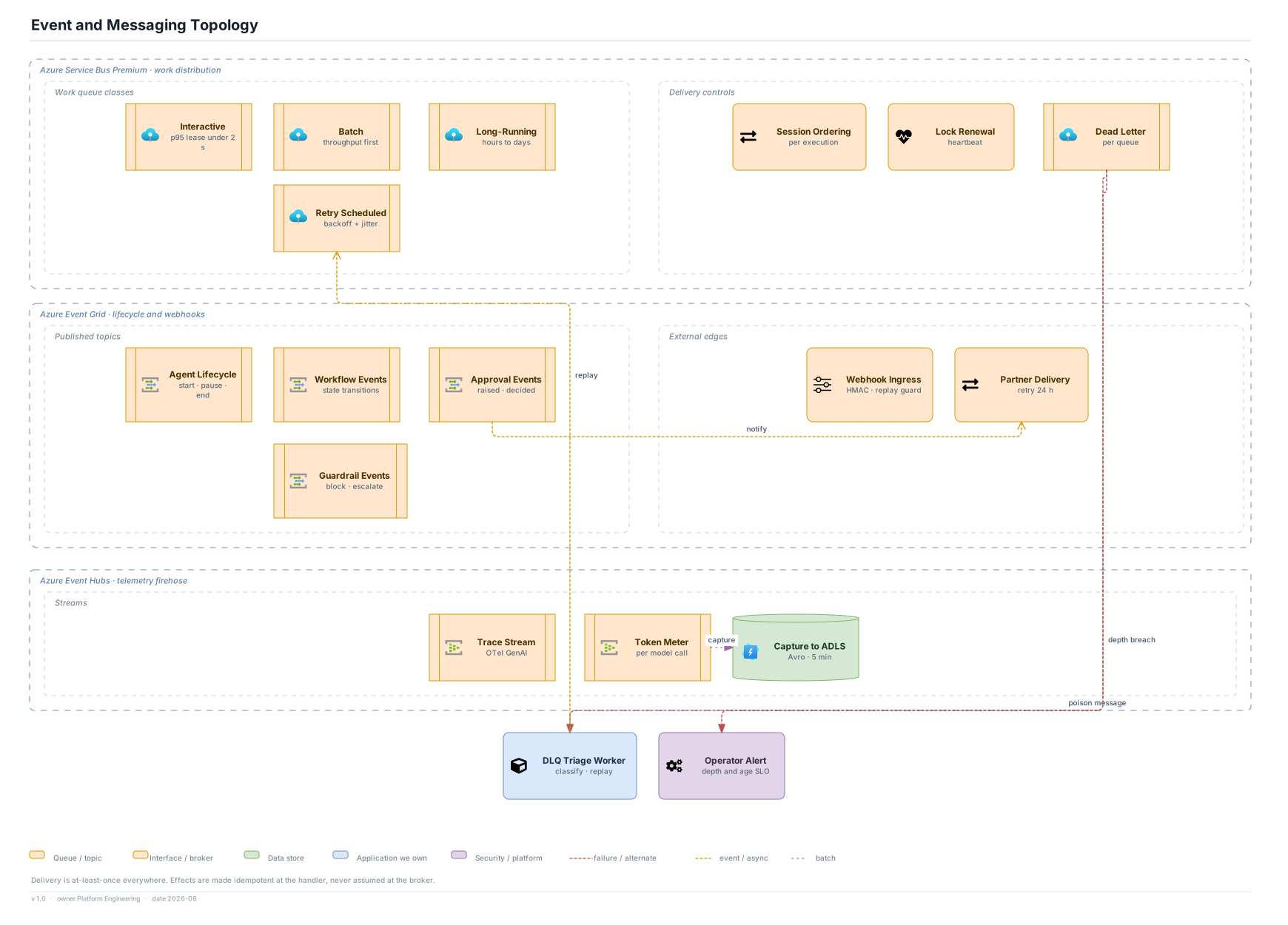
Event and Messaging Topology
Which queues and topics exist, why there are several, and how a stuck message reaches a human.
-
11
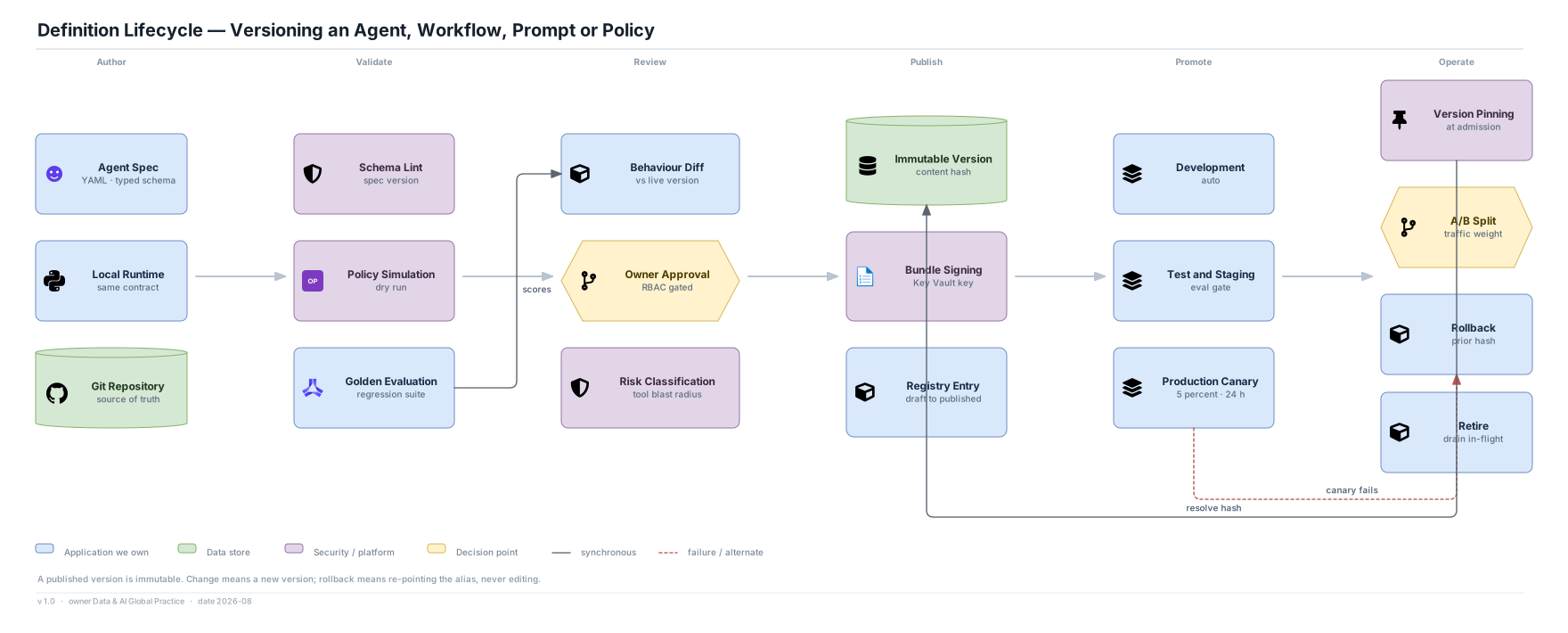
Definition Lifecycle and Versioning
How an agent, workflow, prompt, tool or policy definition becomes an immutable published version.
-
12
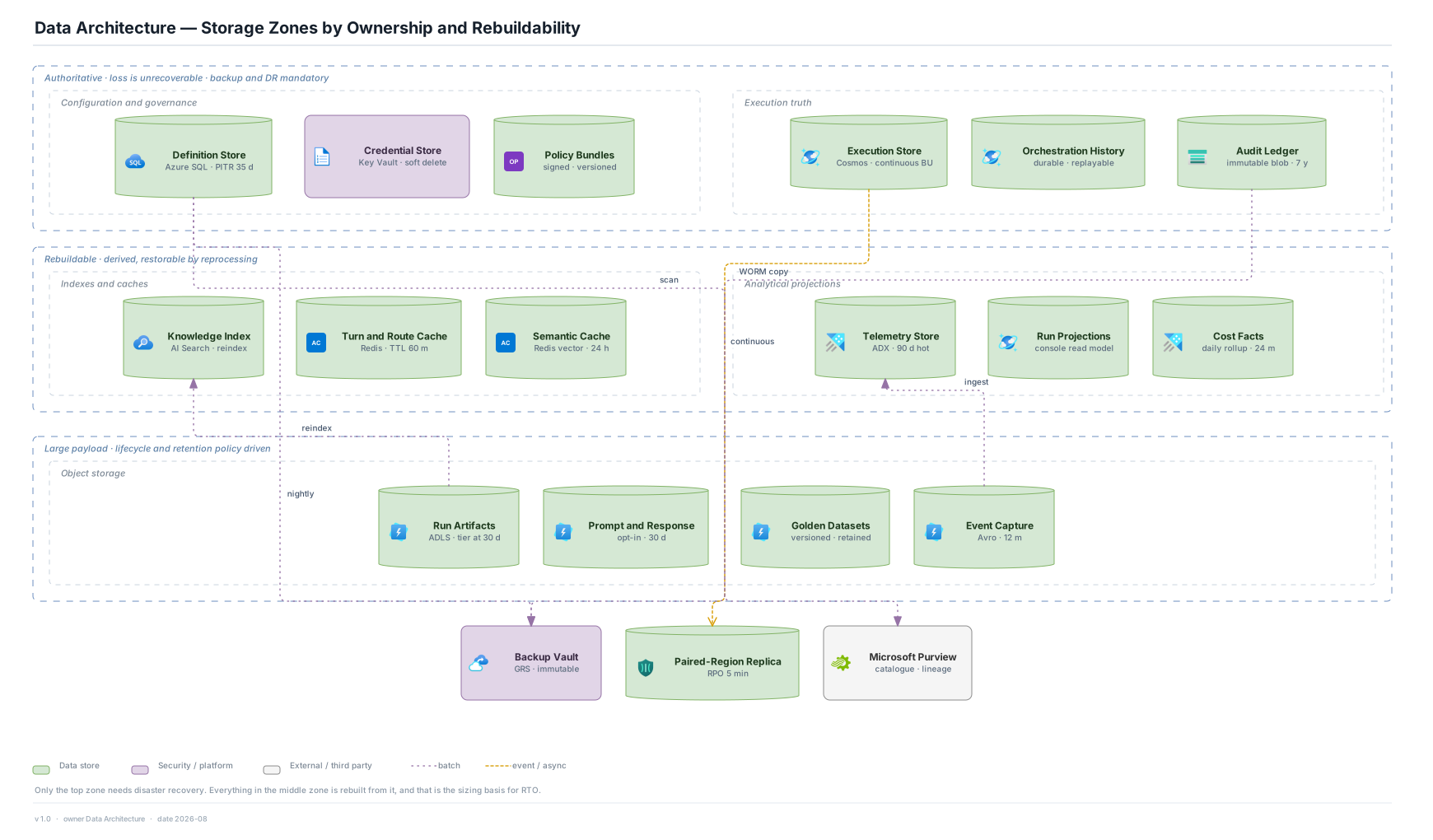
Data Architecture and Storage Zones
What is authoritative, what is rebuildable, what is large, and what disaster recovery actually has to cover.
-
13
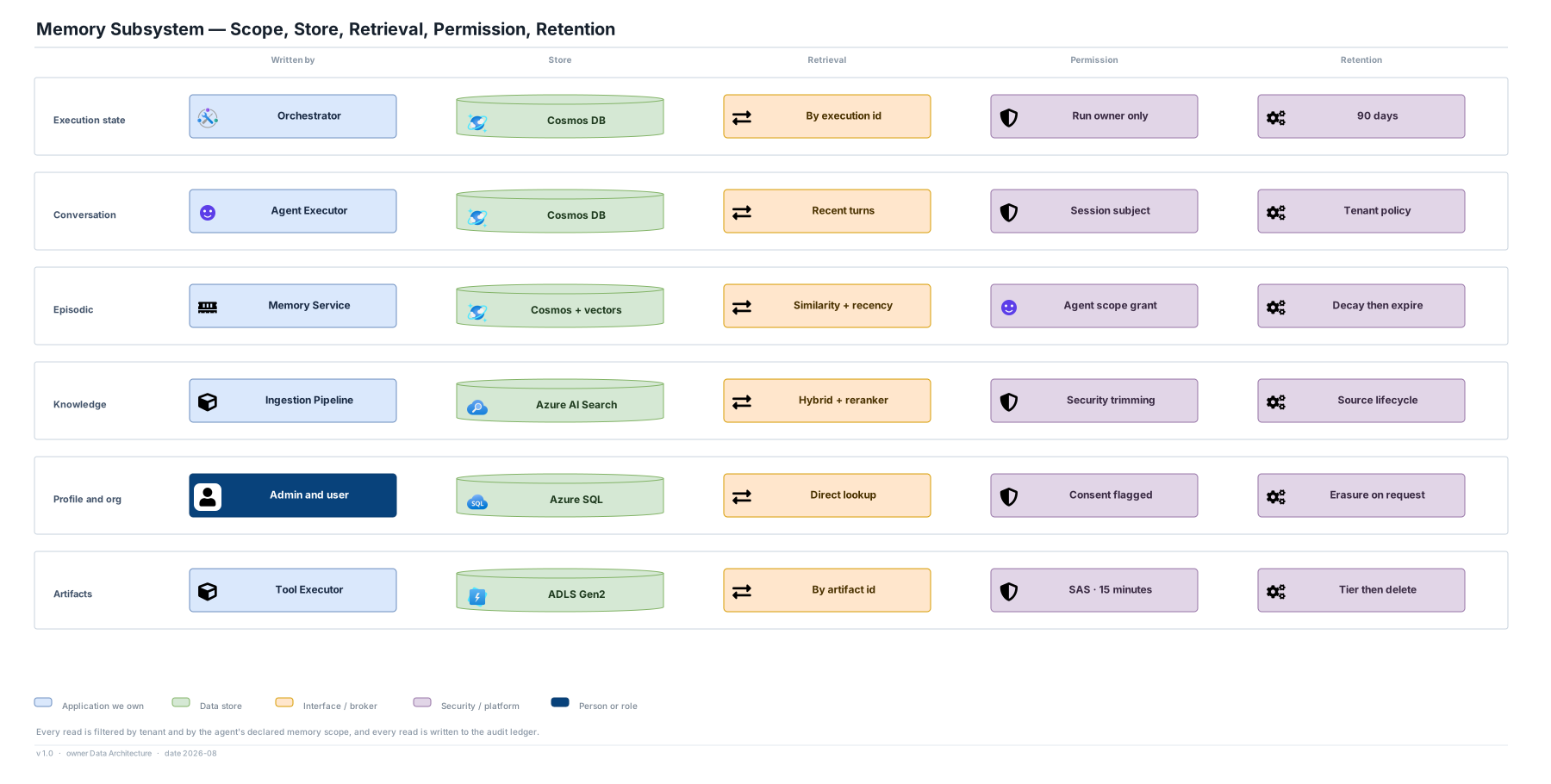
Memory Subsystem
Six kinds of memory, where each lives, how it is retrieved, who may read it and how long it survives.
-
14
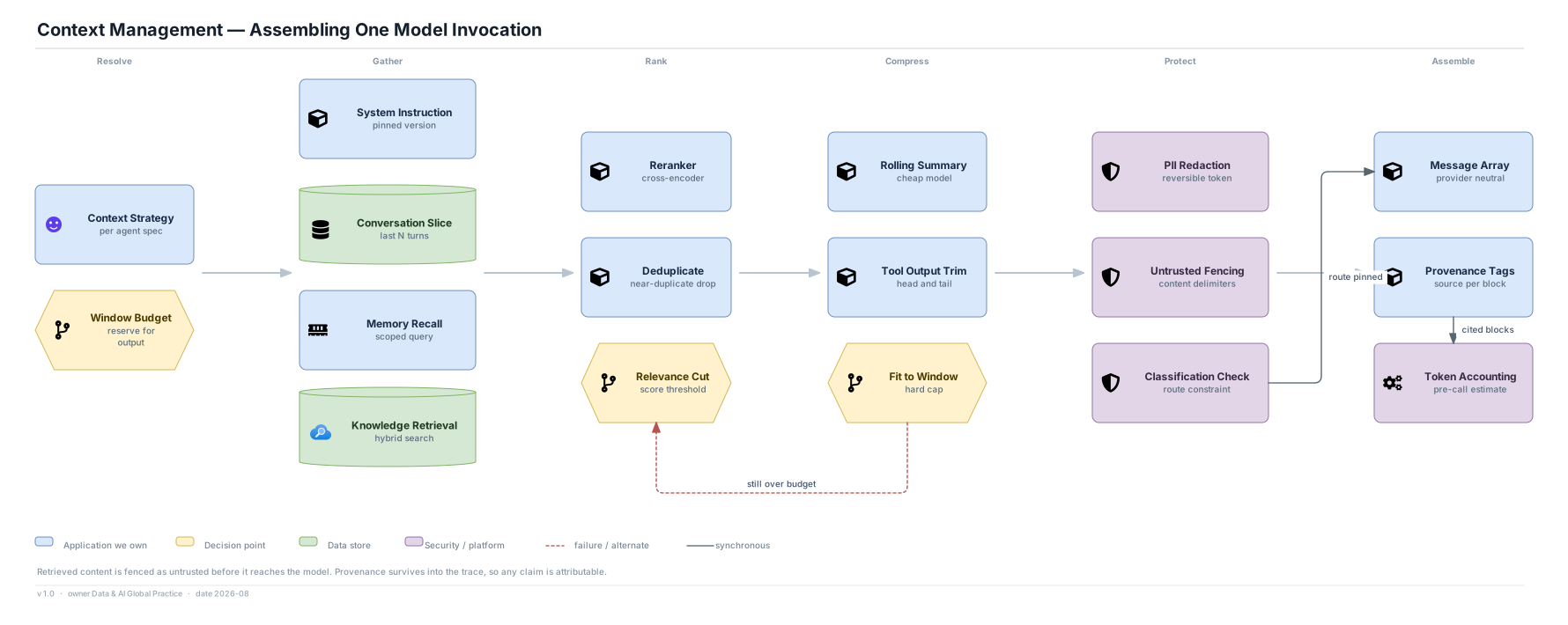
Context Management
How one model invocation's context window is assembled, compressed, protected and accounted for.
-
15
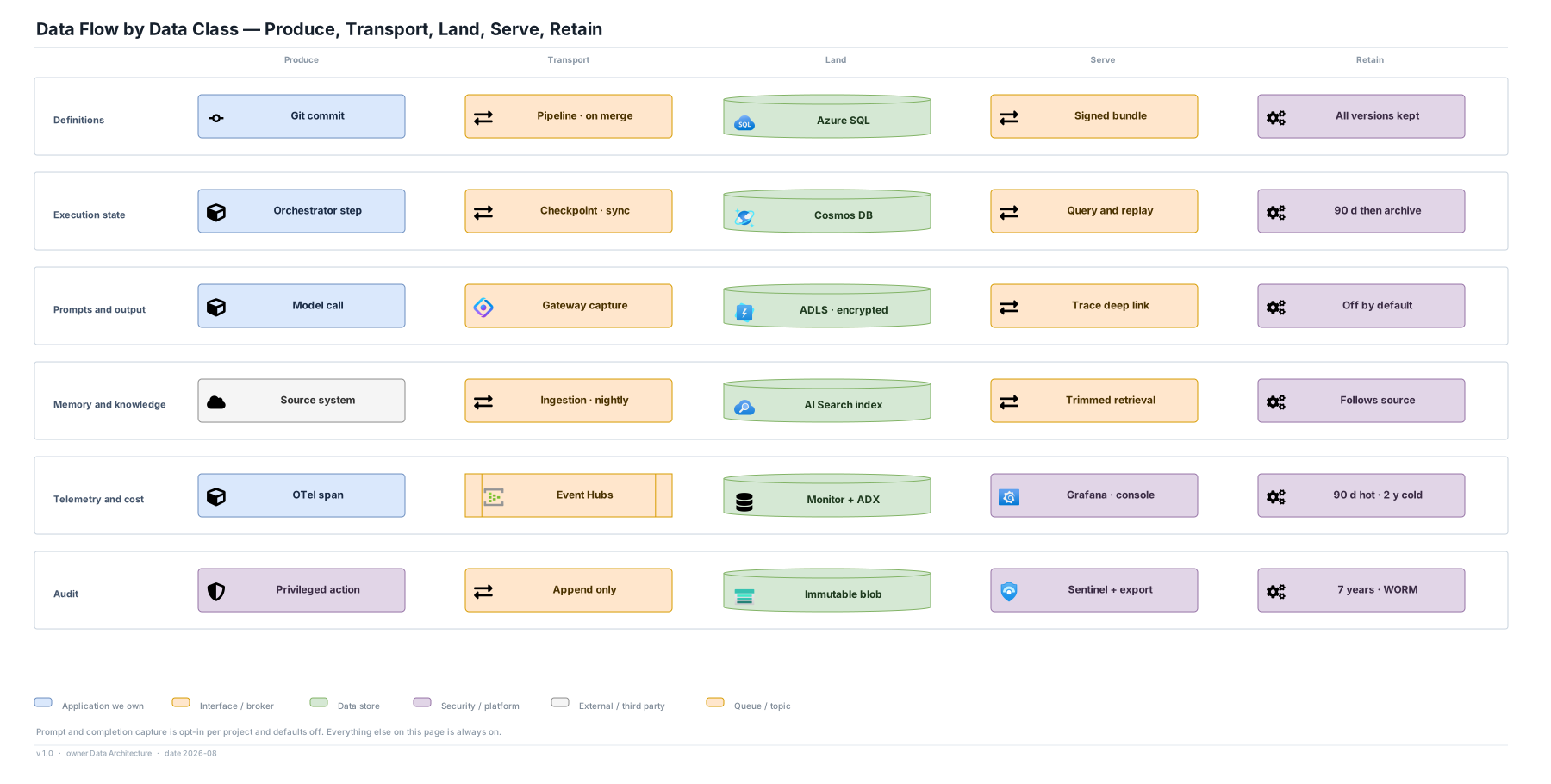
Data Flow by Data Class
Six classes of data, each traced from where it is produced to where it finally rests.
-
16
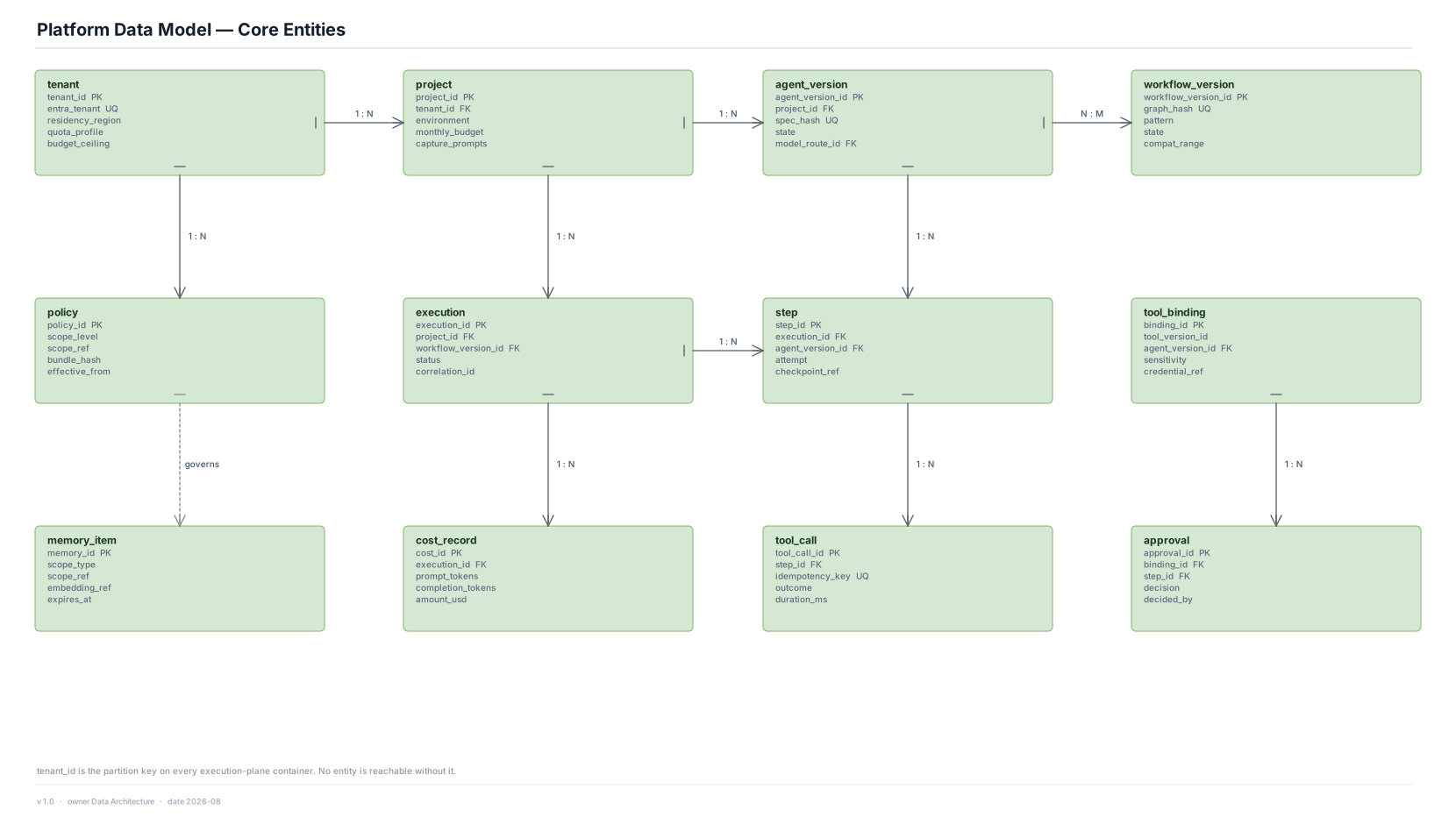
Platform Data Model
The entities a governance question actually reads: who ran what, on which version, with whose approval, at what cost.
-
17
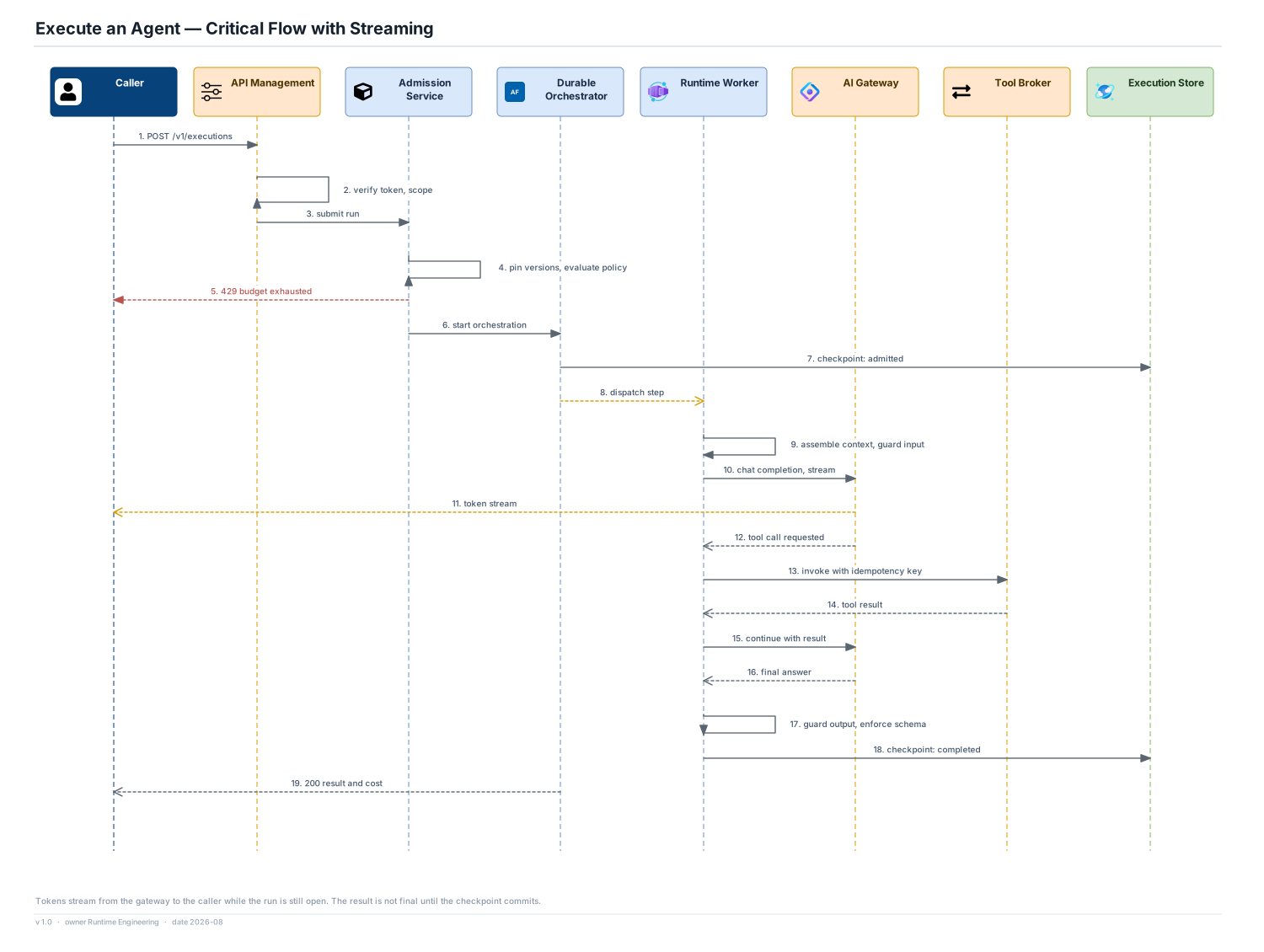
Execute an Agent
One synchronous run end to end, including the tool hop and the point at which the result becomes final.
-
18
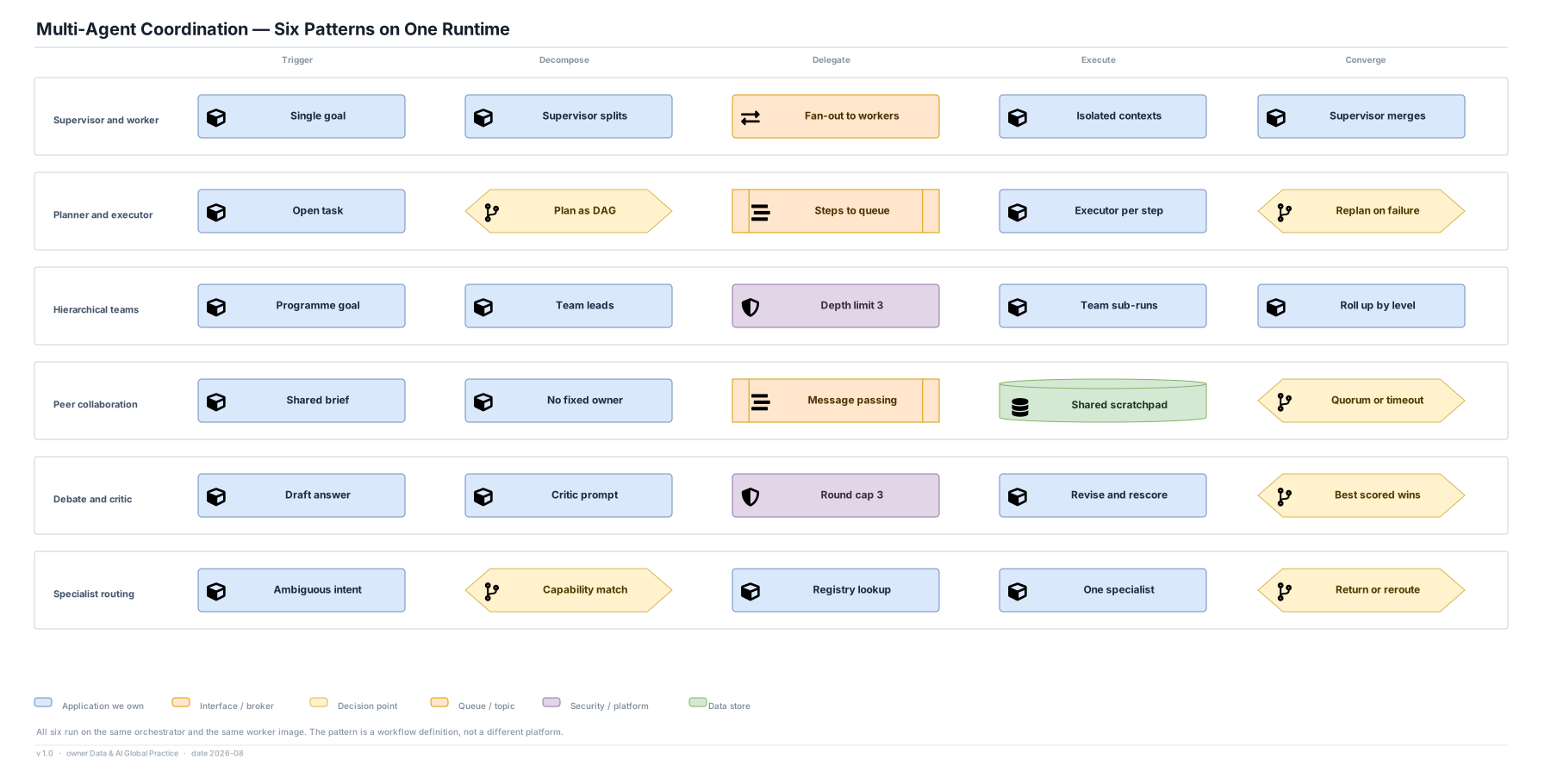
Multi-Agent Coordination
Six coordination patterns, and the claim that all six are workflow definitions rather than different platforms.
-
19
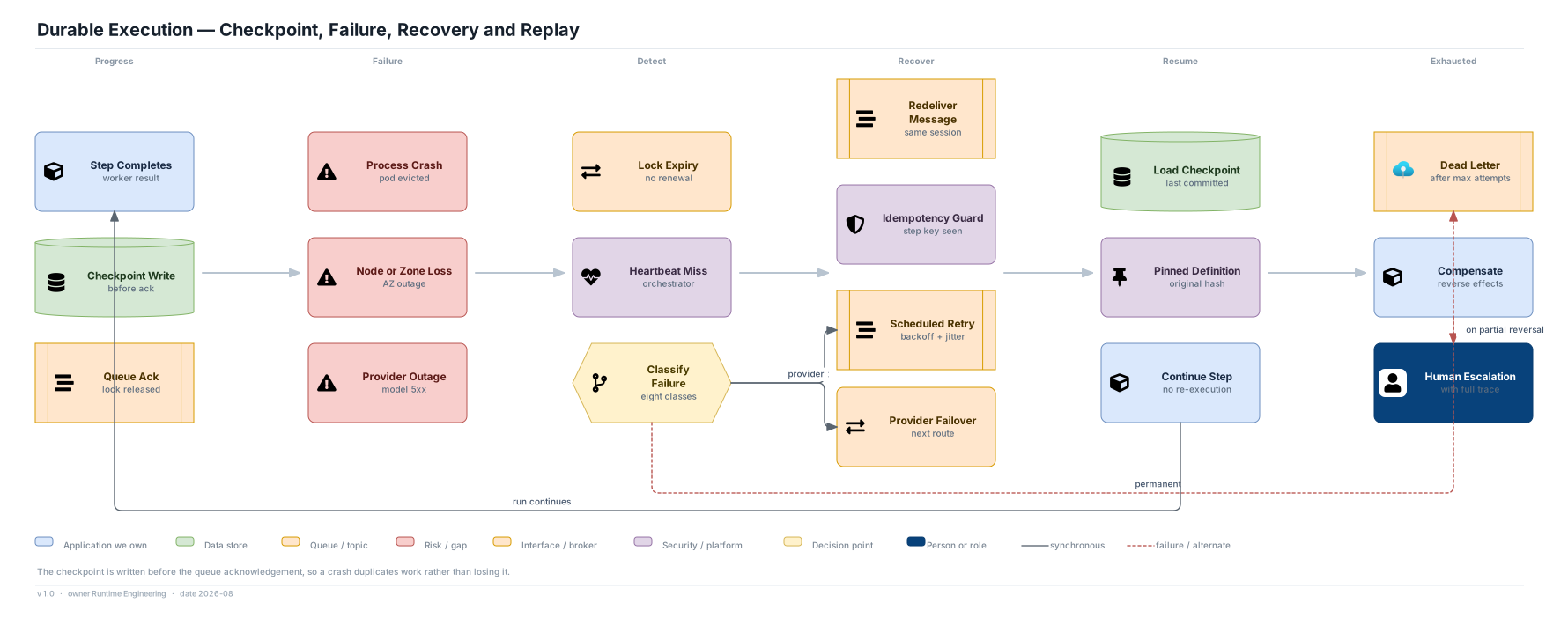
Durable Execution and Replay
What survives a crash, how failure is classified, and where a run goes when recovery is exhausted.
-
20
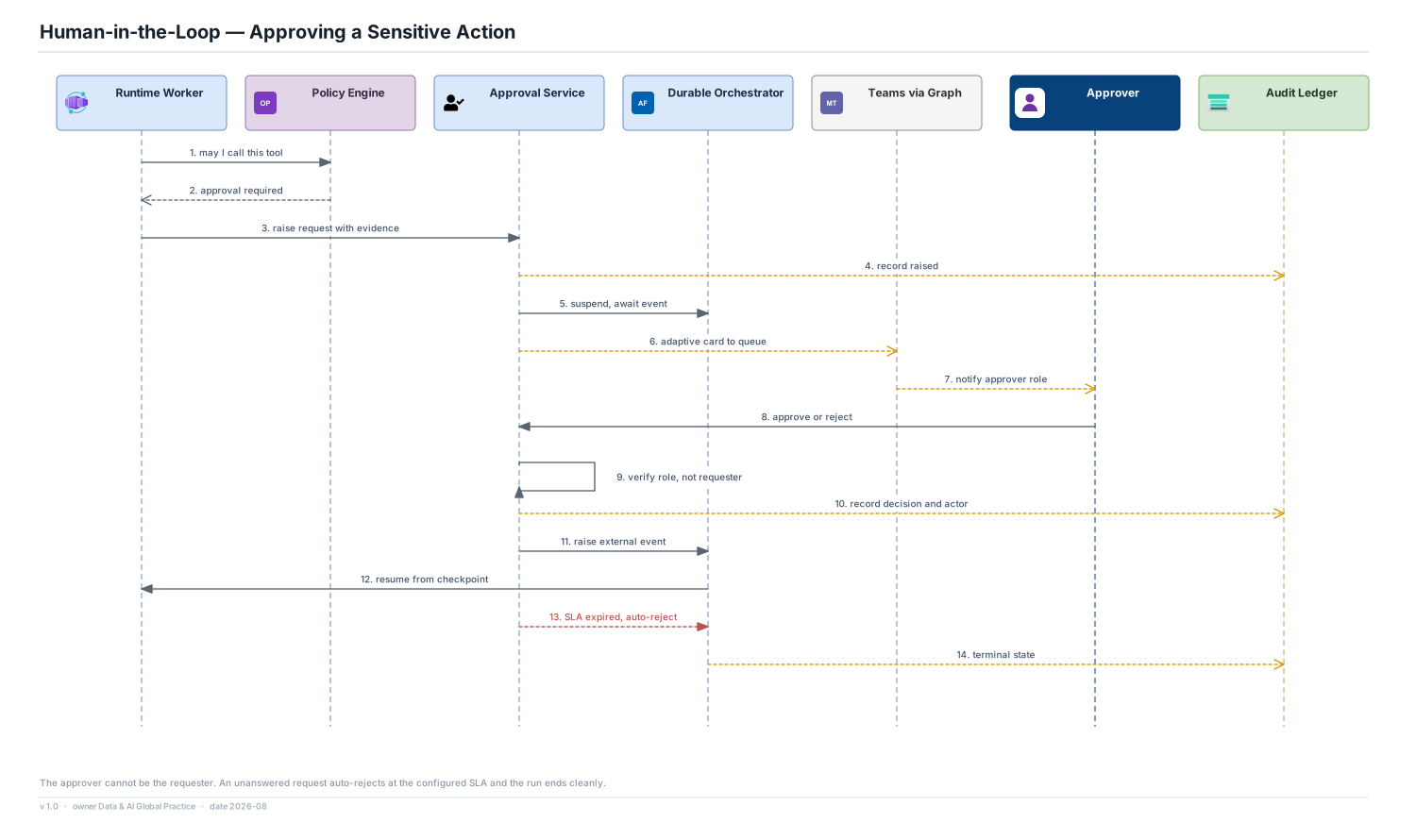
Human-in-the-Loop
How a run suspends for a human decision, and what happens when nobody answers.
-
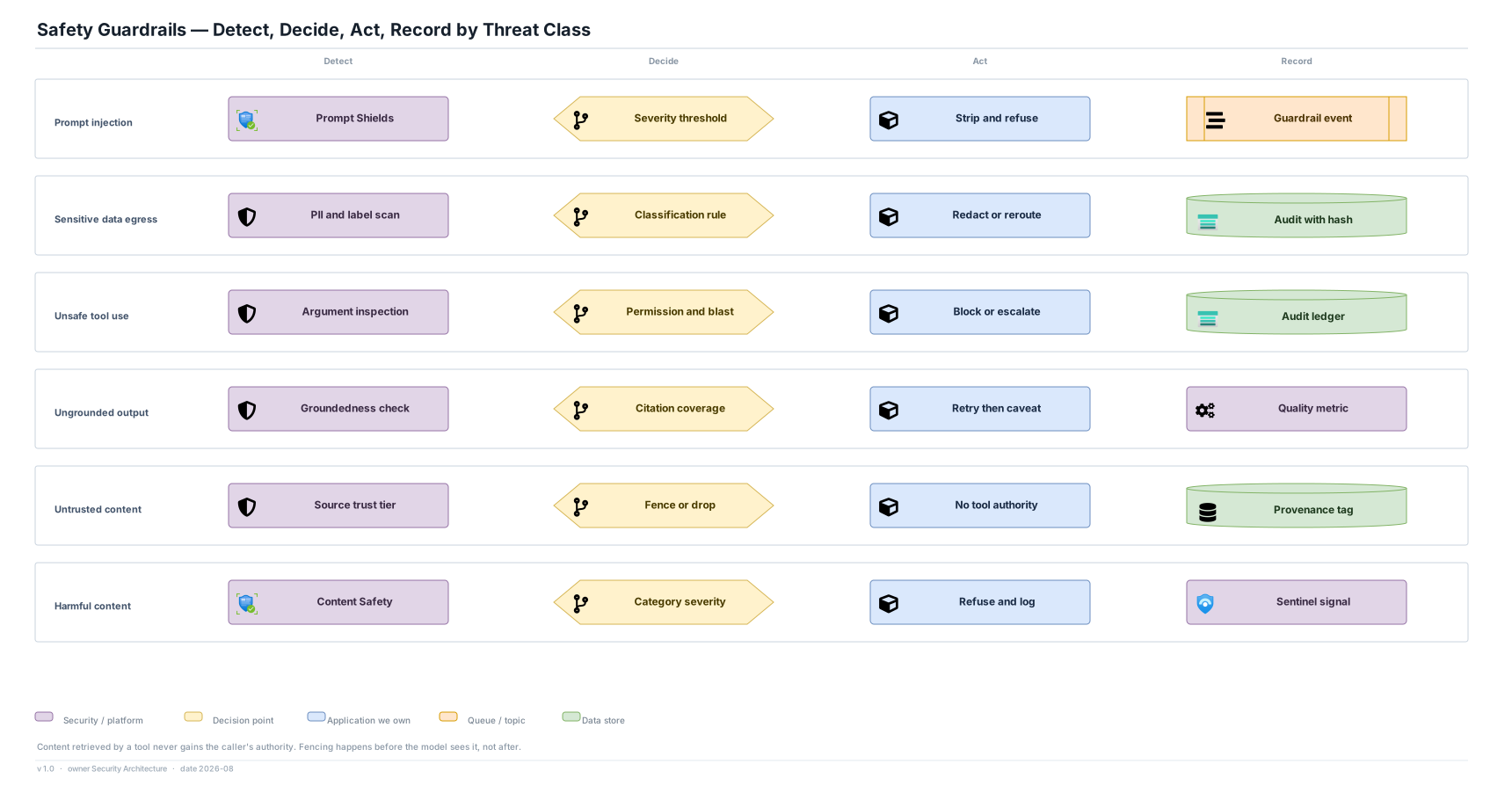
21
Safety Guardrails
Six threat classes, and what the platform does about each at detect, decide, act and record.
-
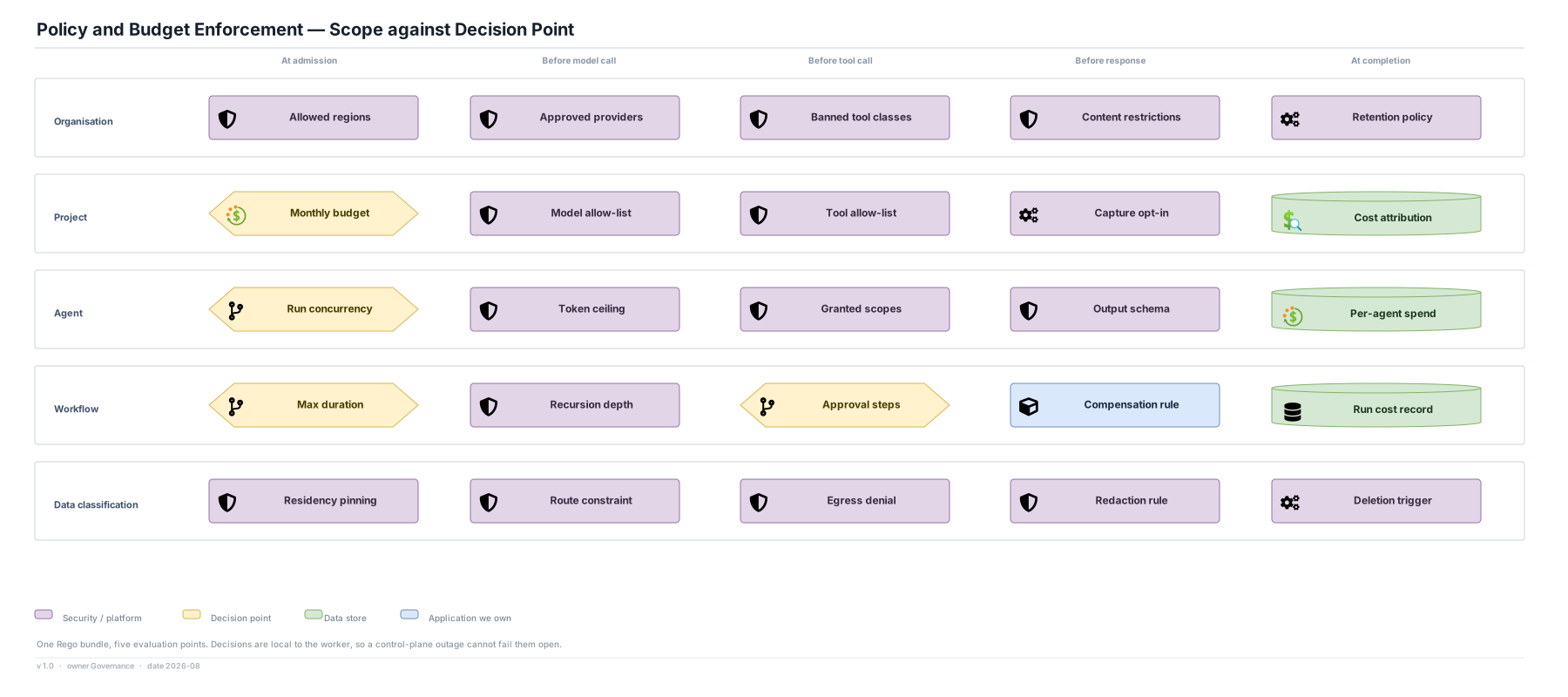
22
Policy and Budget Enforcement
Five policy scopes against five decision points: exactly what is evaluated, and where.
-
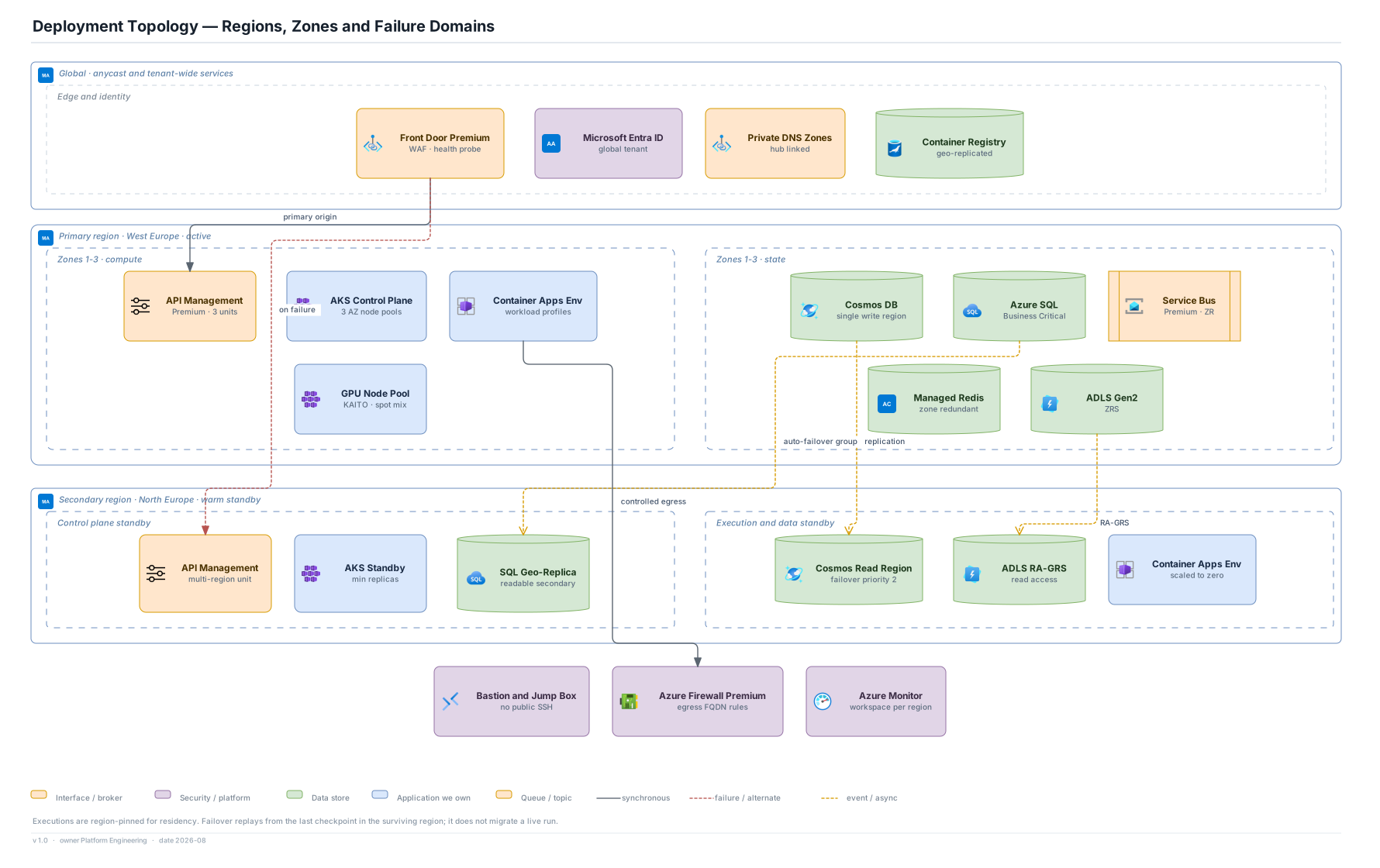
23
Deployment Topology
What runs where, what is redundant, and what a region loss actually costs.
-
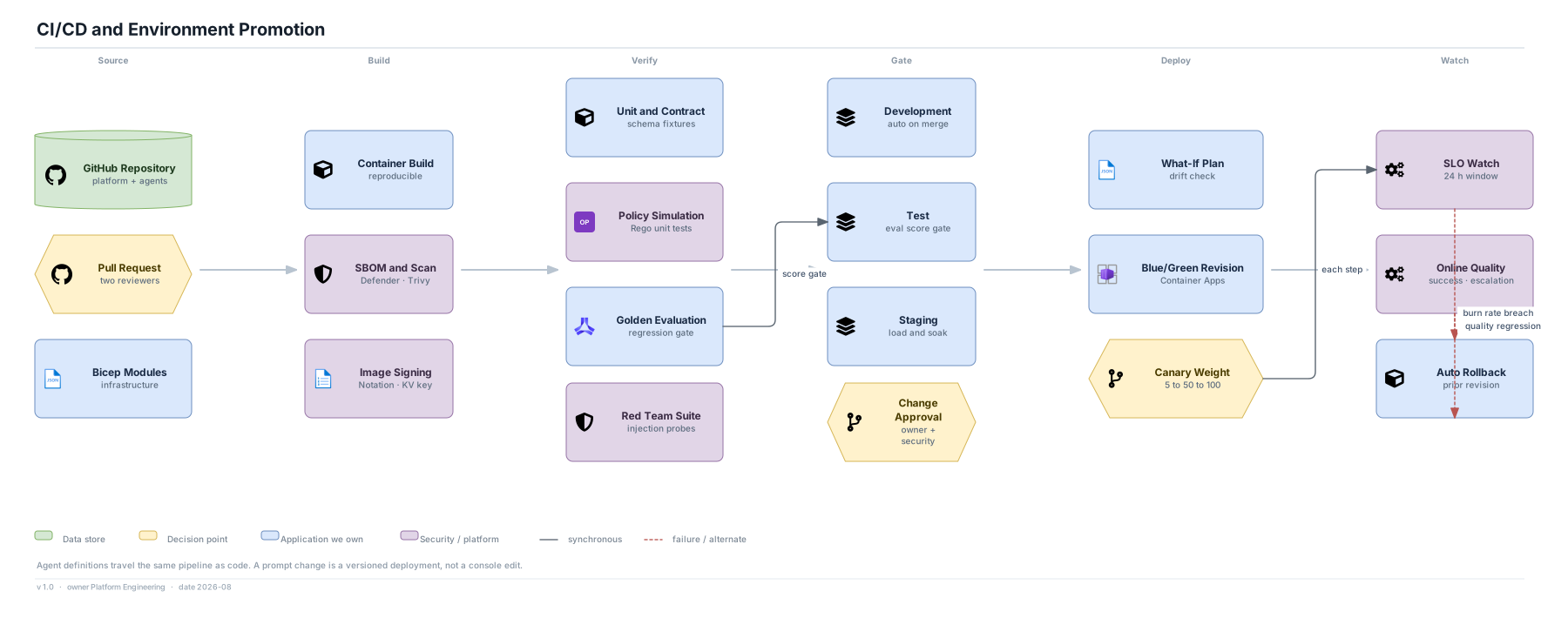
24
CI/CD and Environment Promotion
How a change reaches production, and what stops a bad one at each hop.
-
25
Observability and Tracing
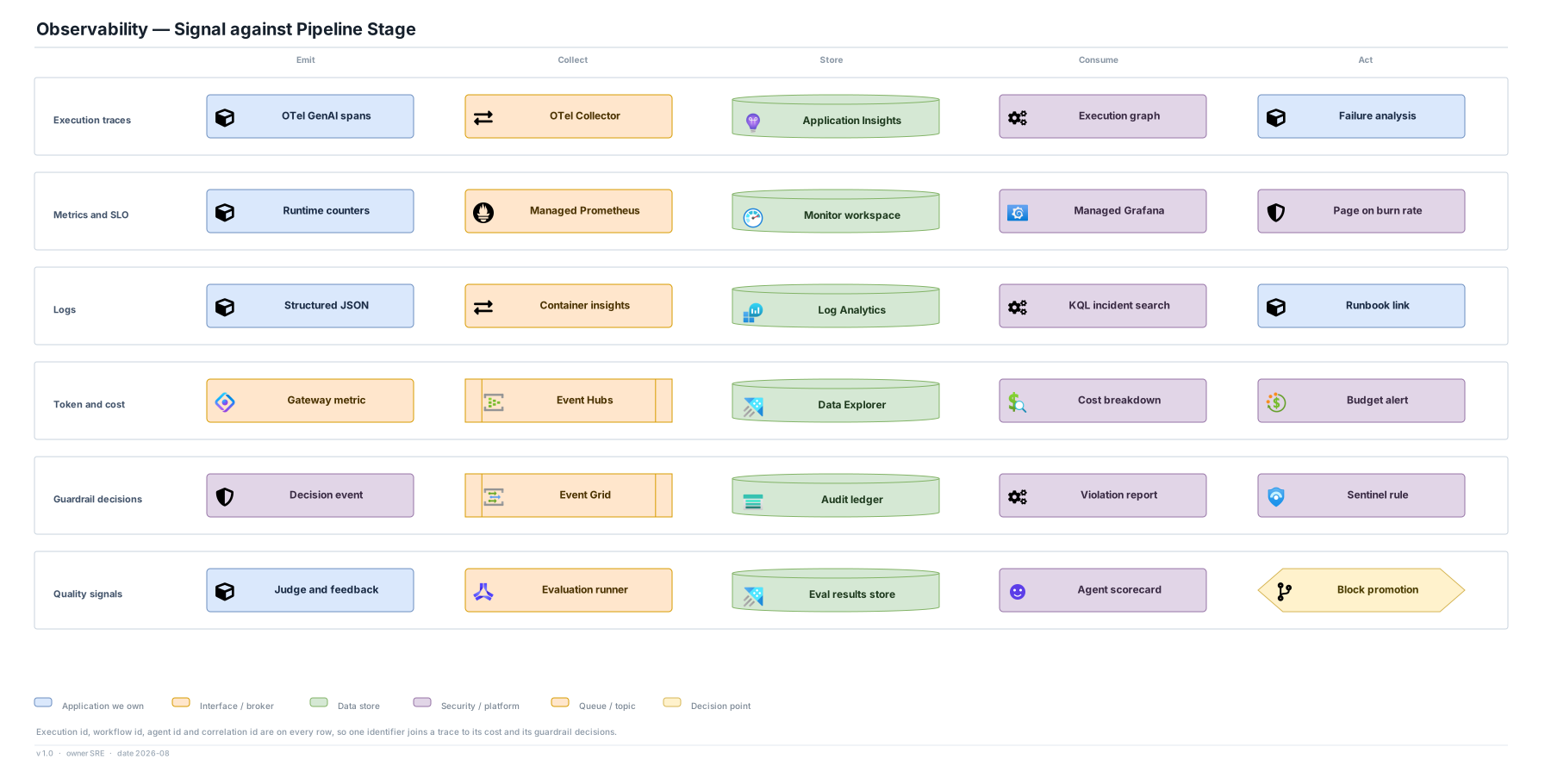
Six signal types across emit, collect, store, consume and act — and the identifier that joins them.
-
26
Cost Management and Attribution
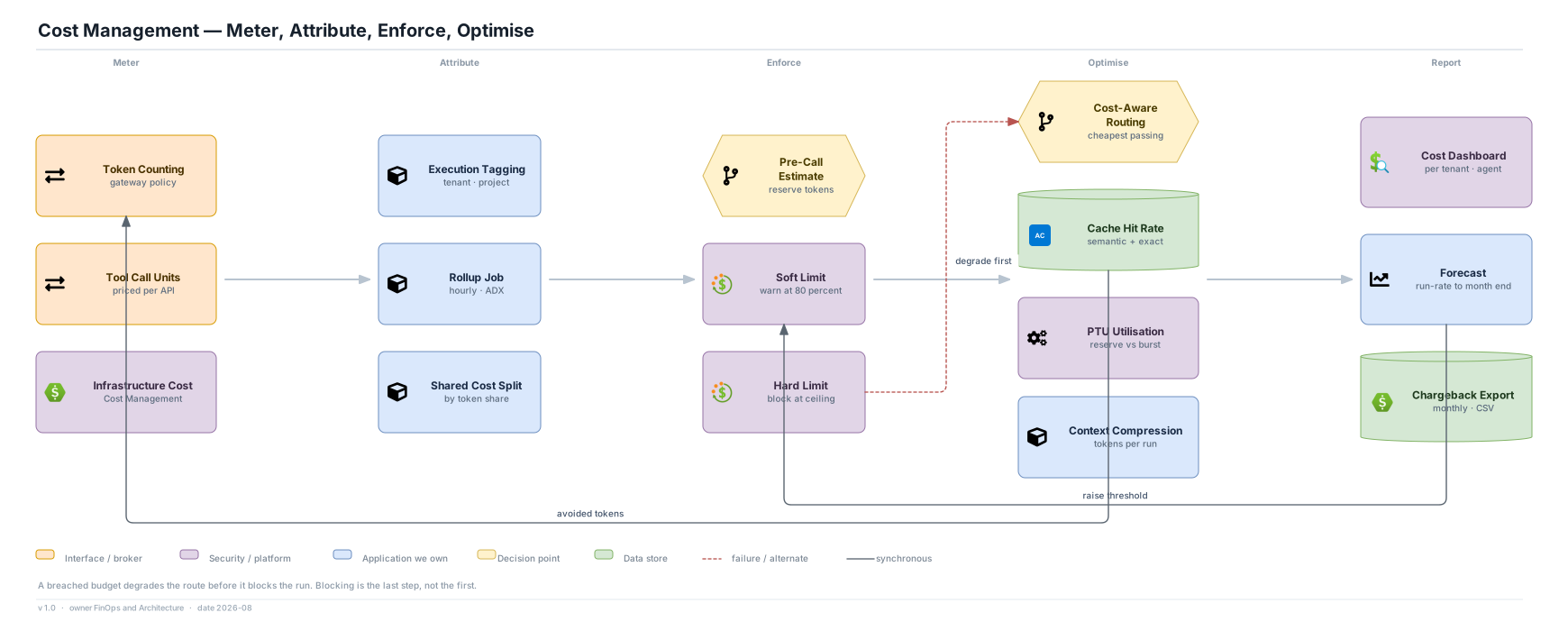
How every token and tool call is metered, attributed, capped and then made cheaper.
-
27
Evaluation and Quality
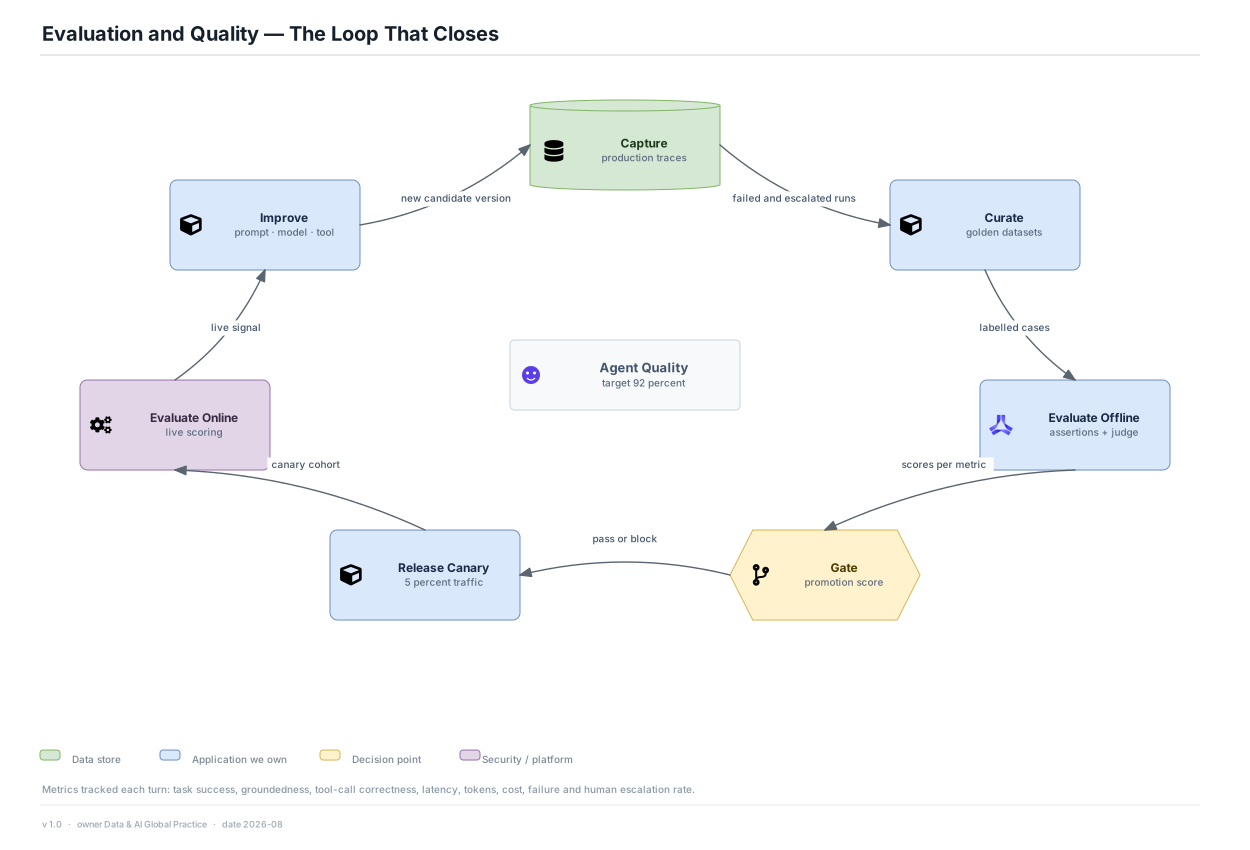
The loop from production failure back to a better agent version, and the gate that closes it.
-
28
Security Zones and Trust Boundaries
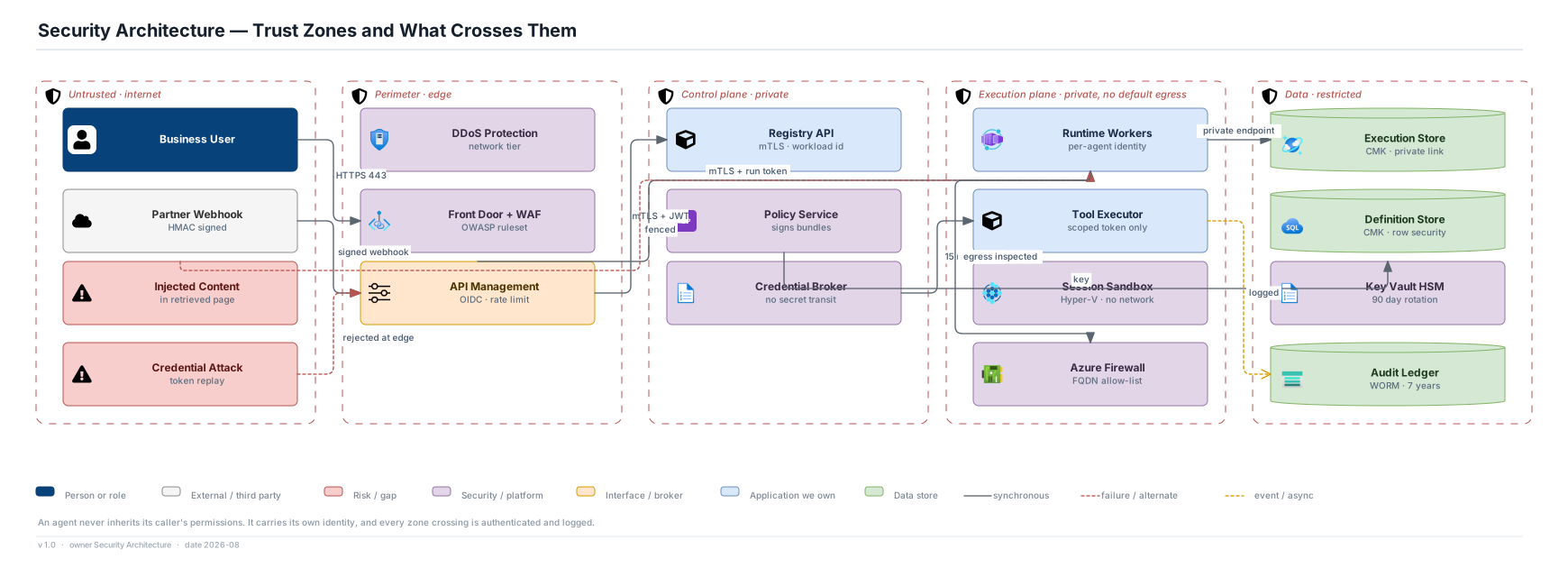
Where an attacker arrives, what stops them at each boundary, and what an agent is trusted to do.
-
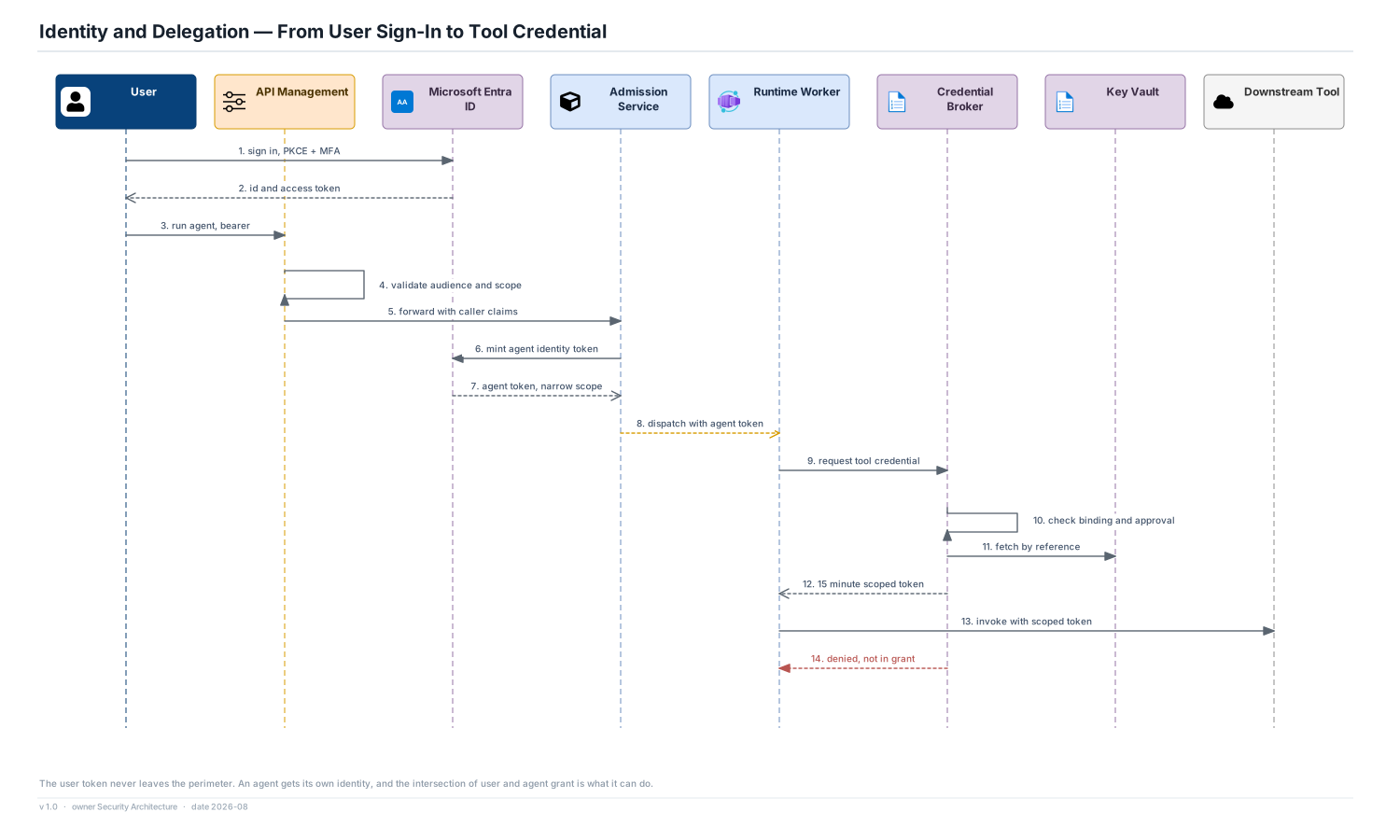
29
Identity and Delegation
The path from a user signing in to a tool credential, and what is deliberately not passed along it.
-
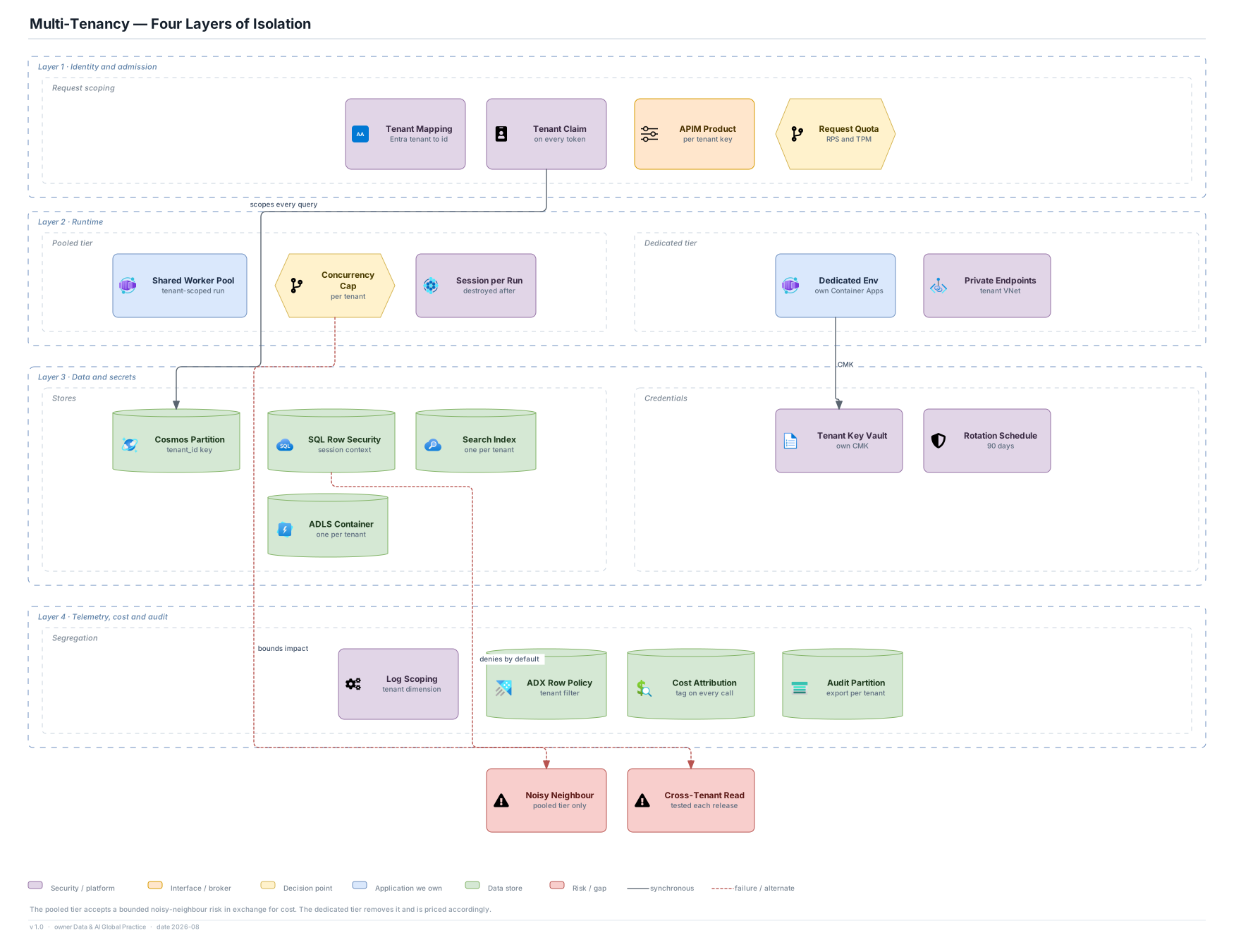
30
Multi-Tenant Isolation
Four layers of isolation, what each one actually prevents, and what the pooled tier still accepts.
-
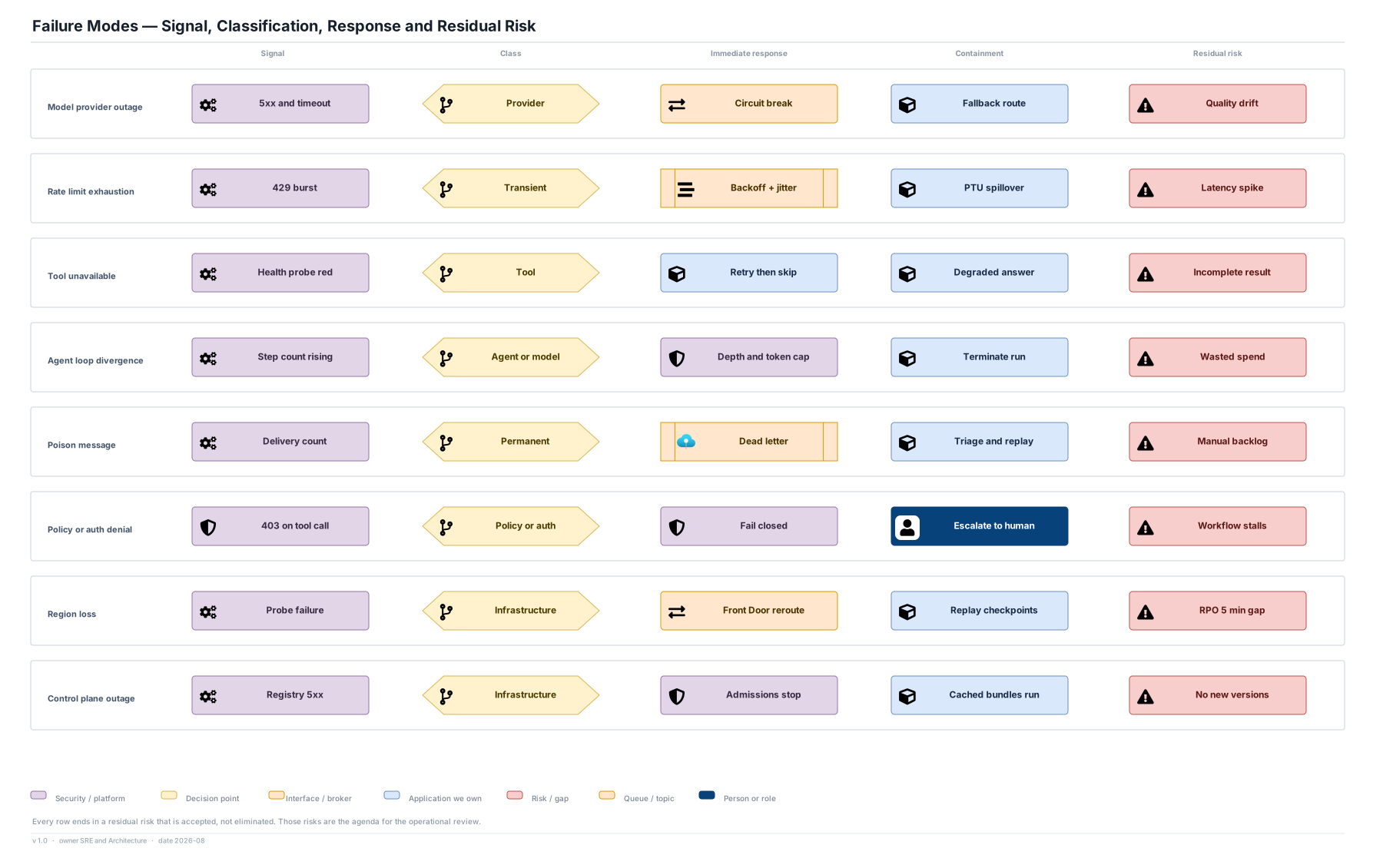
31
Failure Modes and Residual Risk
Eight ways this platform fails, what detects each, what contains it, and what is left over.
-
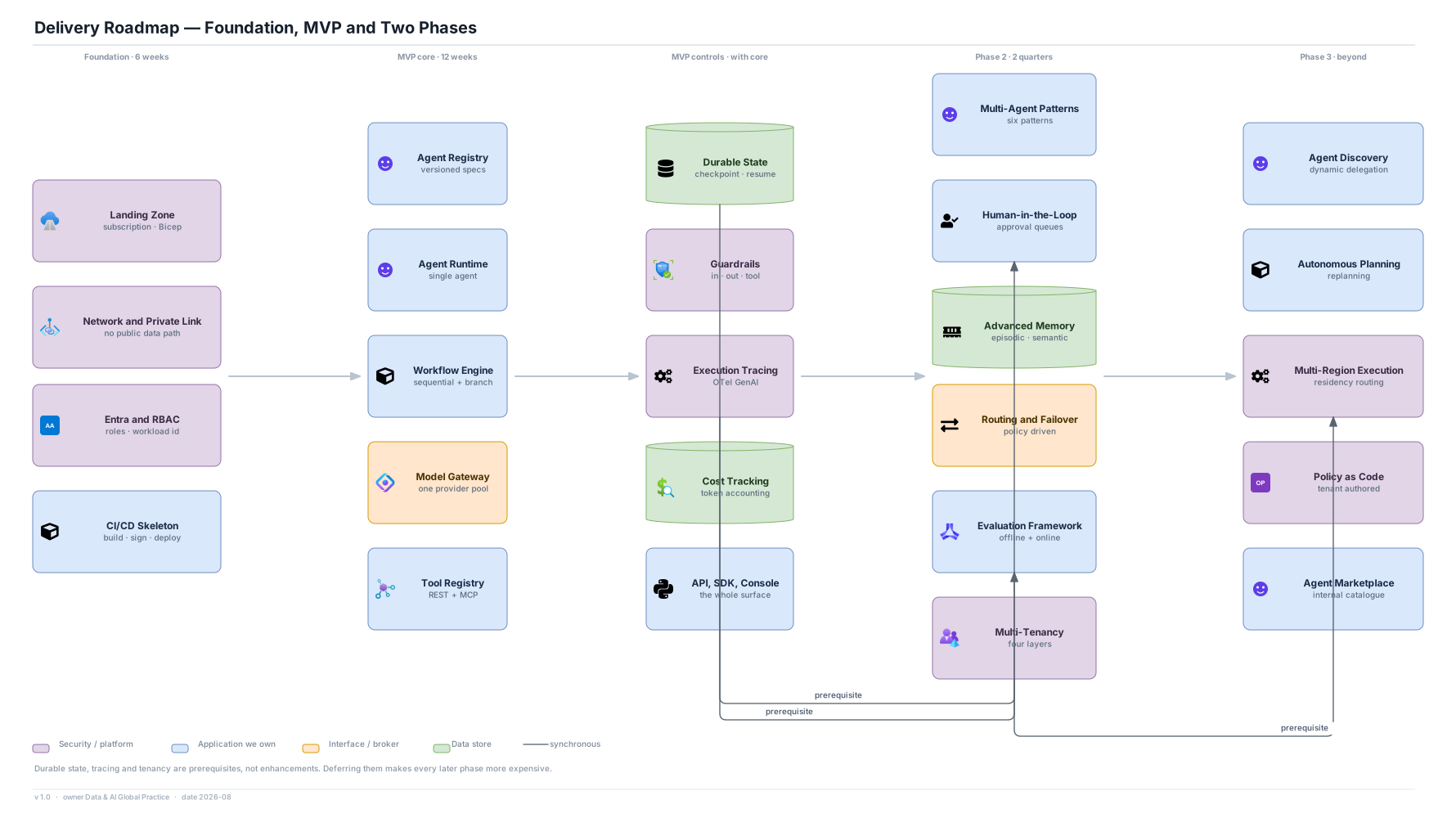
32
Delivery Roadmap
What is built first, what waits, and which items are prerequisites rather than enhancements.
Everything as it was delivered.
These files are served exactly as they were produced — the diagram pages keep their own house style because that is the artifact, not a rendering of it.