| Counting event |
One signed delta against one counter for one member, with an event time and a client-supplied idempotency key. |
The unit of admission, deduplication, retraction and audit. |
A 'hit' or 'increment', which imply a delta of exactly one and no retraction path. |
| Counter |
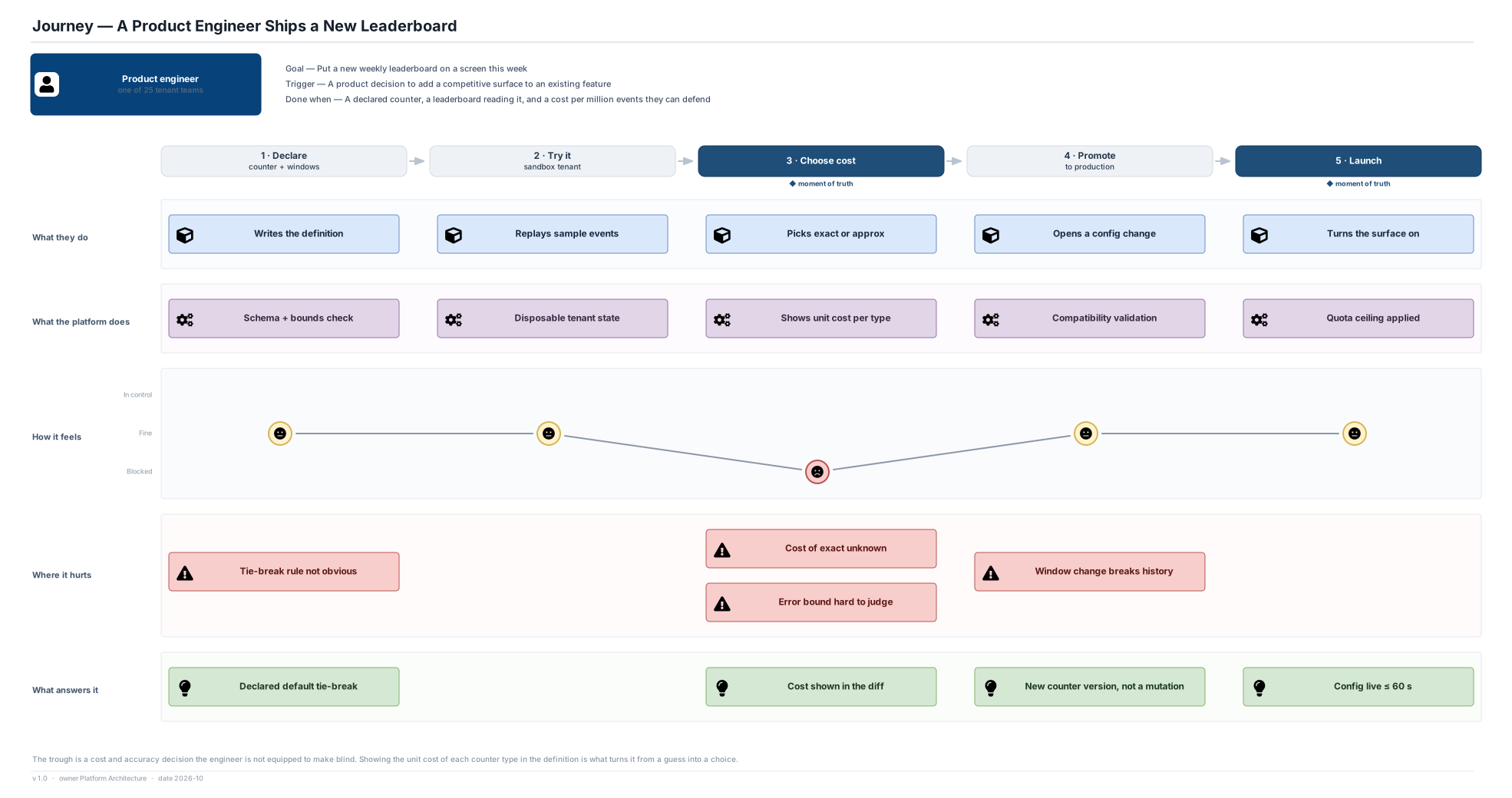
A named, versioned definition of something being counted, with a type, bounds and a set of windows. |
What a tenant declares; what an event names; what a leaderboard ranks over. |
A 'metric', which in common usage means a monitoring signal with no member dimension. |
| Bucket aggregate |
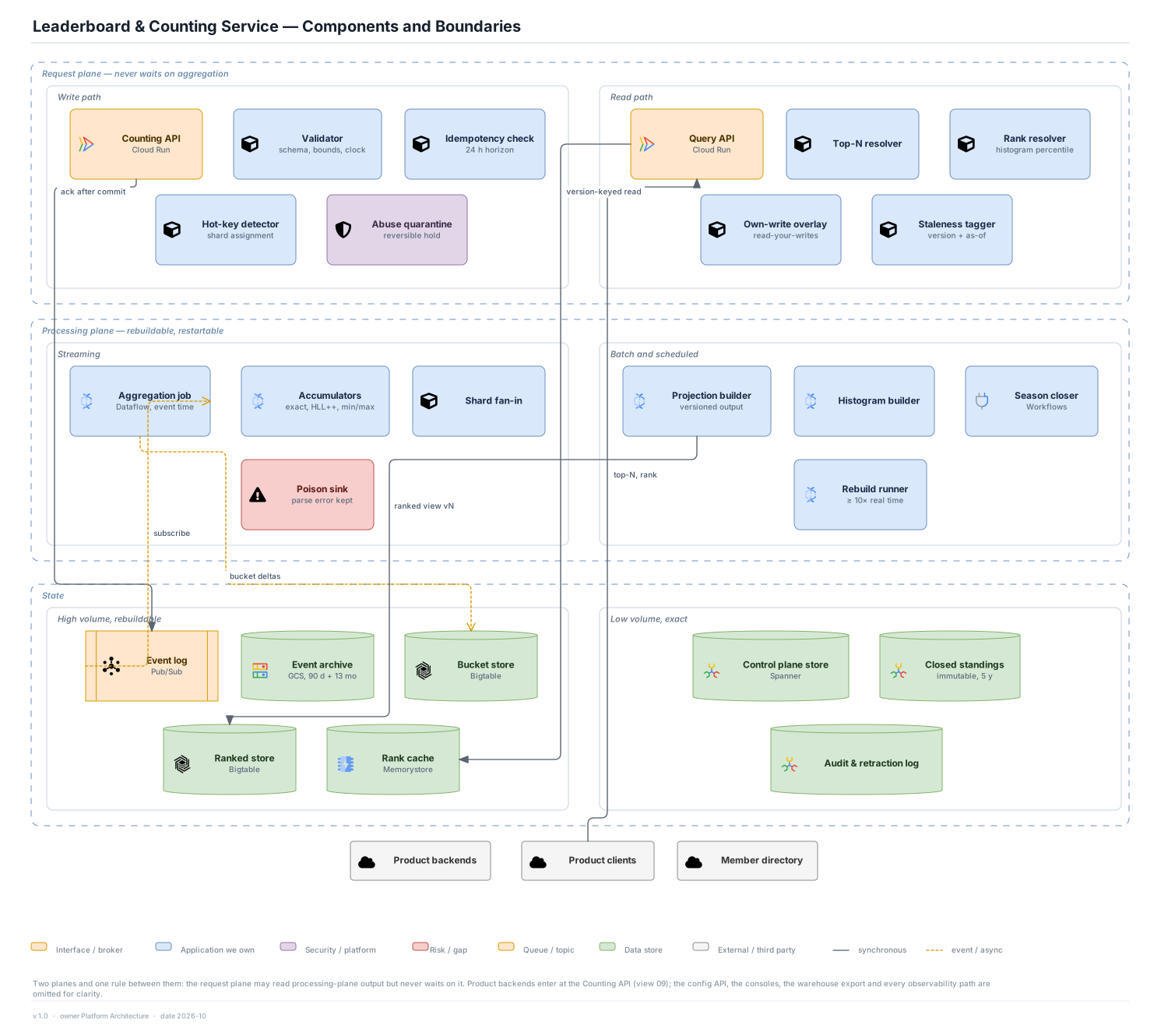
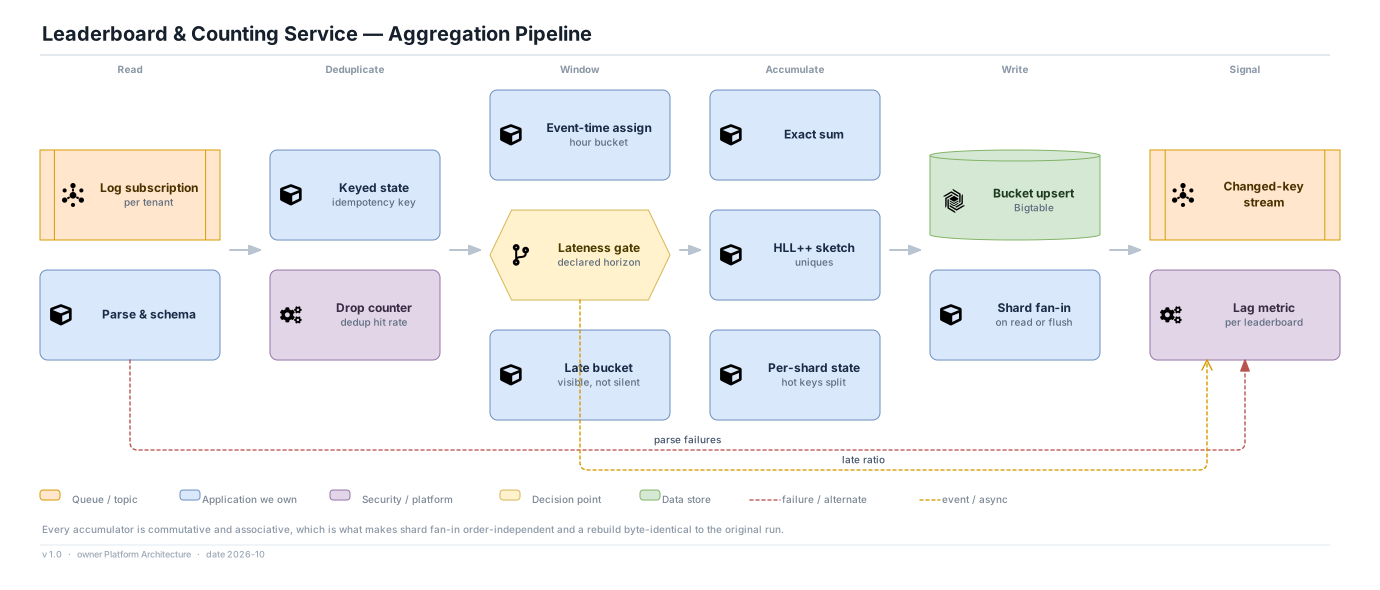
The accumulated value for one (counter, member, window bucket, shard). |
The finest-grained projection; every window is composed from these by addition. |
A 'counter value', which hides the fact that the value is a composition rather than a stored total. |
| Projection |
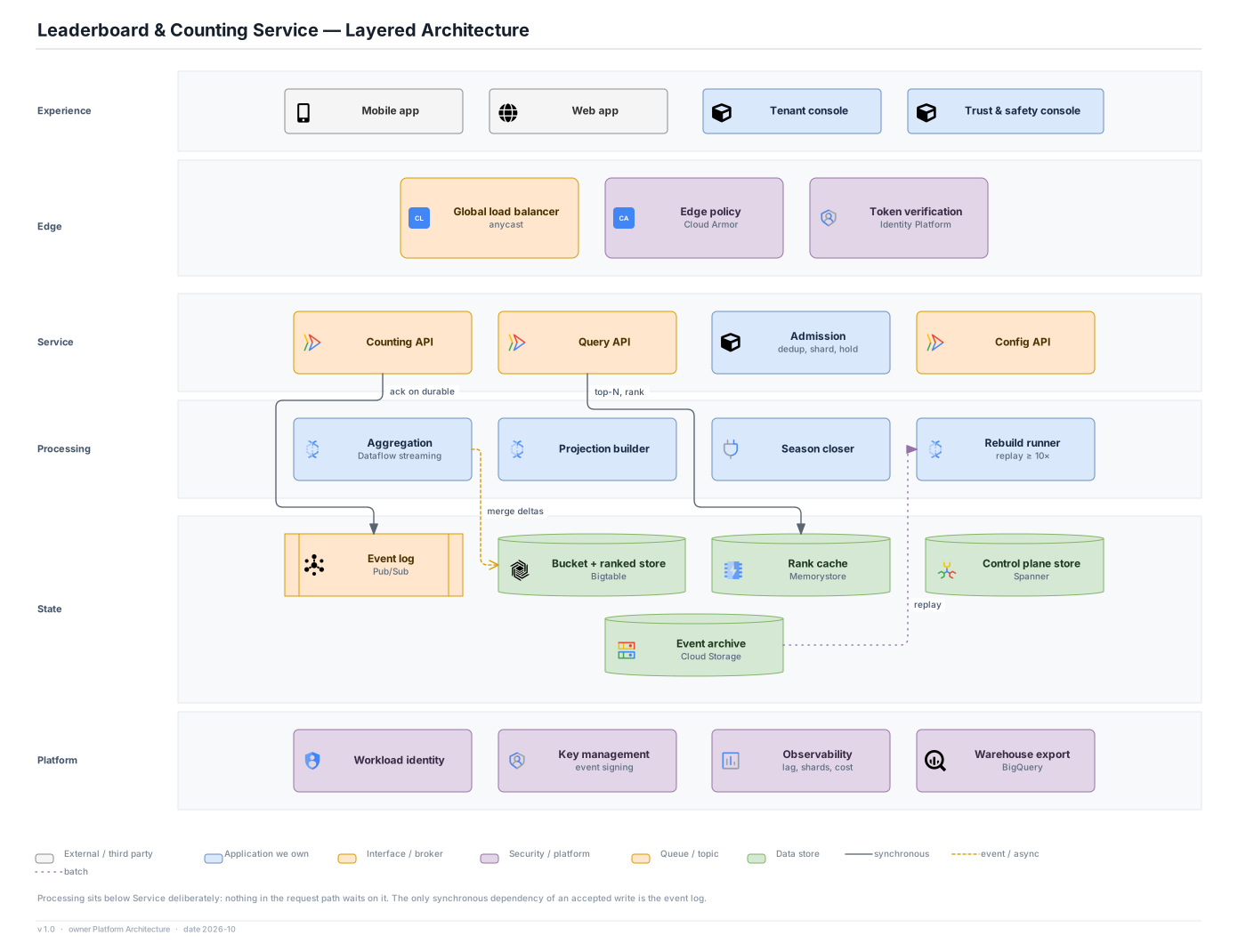
Any stored value derived from the log — a bucket aggregate, a ranked view, a histogram, a cache entry. |
Droppable and rebuildable by definition. If a projection and the log disagree, the projection is wrong. |
A 'materialised view', which is accurate but implies a database feature rather than an architectural rule. |
| Ranked view |
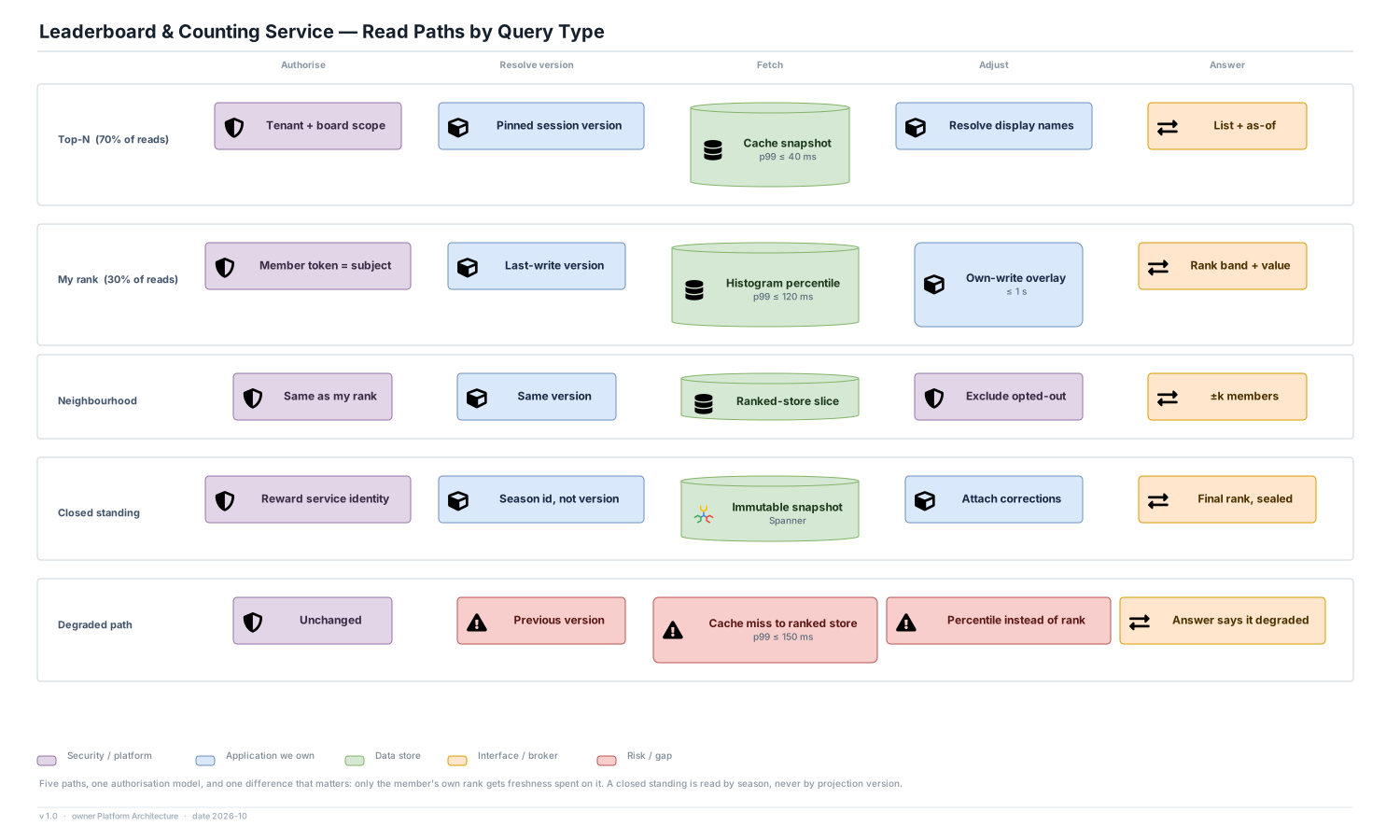
A versioned, ordered list of members for one leaderboard scope, with a deterministic tie-break. |
What a top-N read is served from, and what is rebuilt rather than patched after a retraction. |
A 'leaderboard', which in this package means the declared definition, not the materialised list. |
| Scope |
One slice of a leaderboard — global, a region, a cohort, a league division, a friend graph. |
The unit of materialisation, freezing and dematerialisation. One member may appear in several. |
A 'segment', which is used for marketing audiences elsewhere in the estate. |
| Projection version |
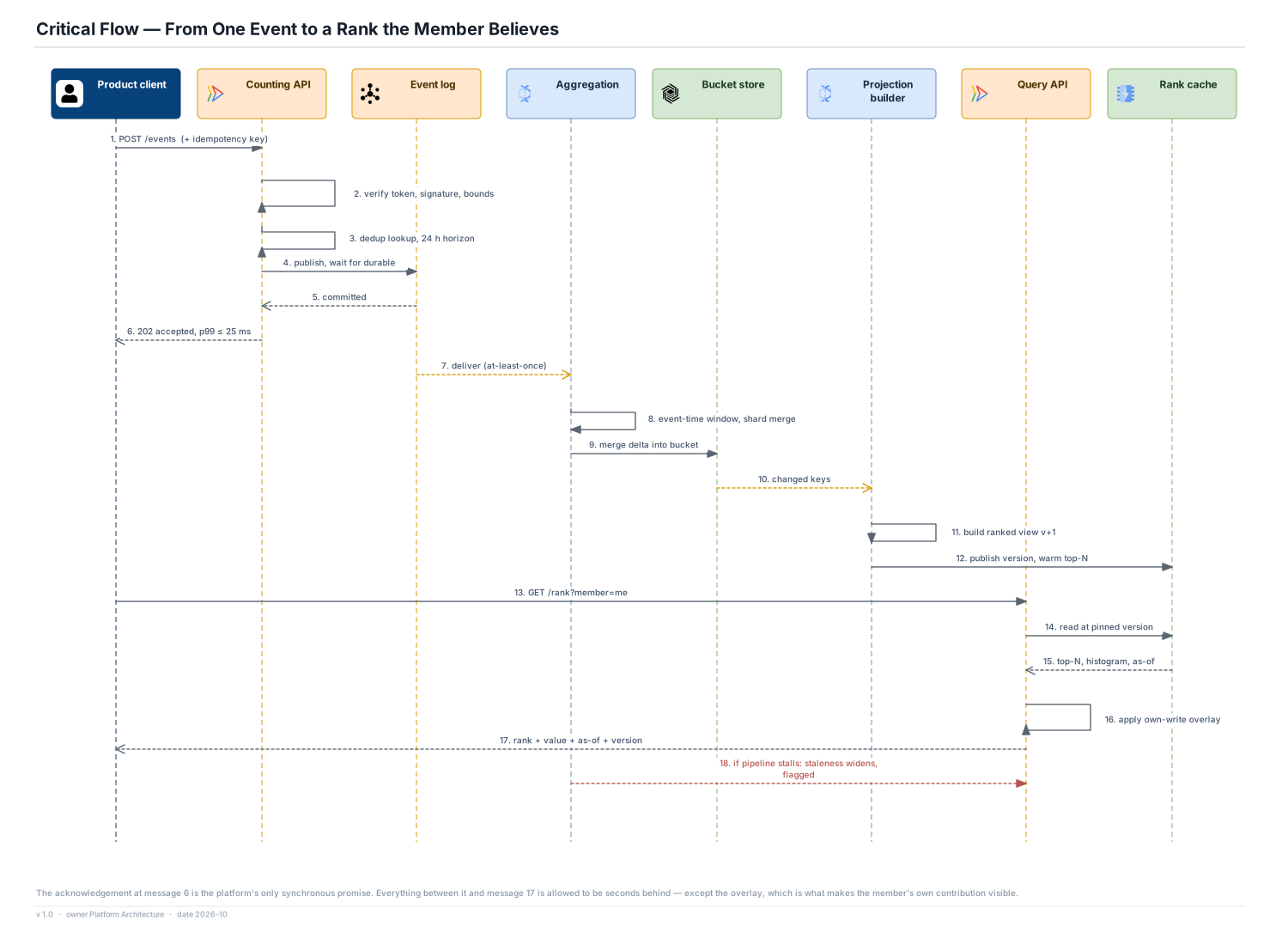
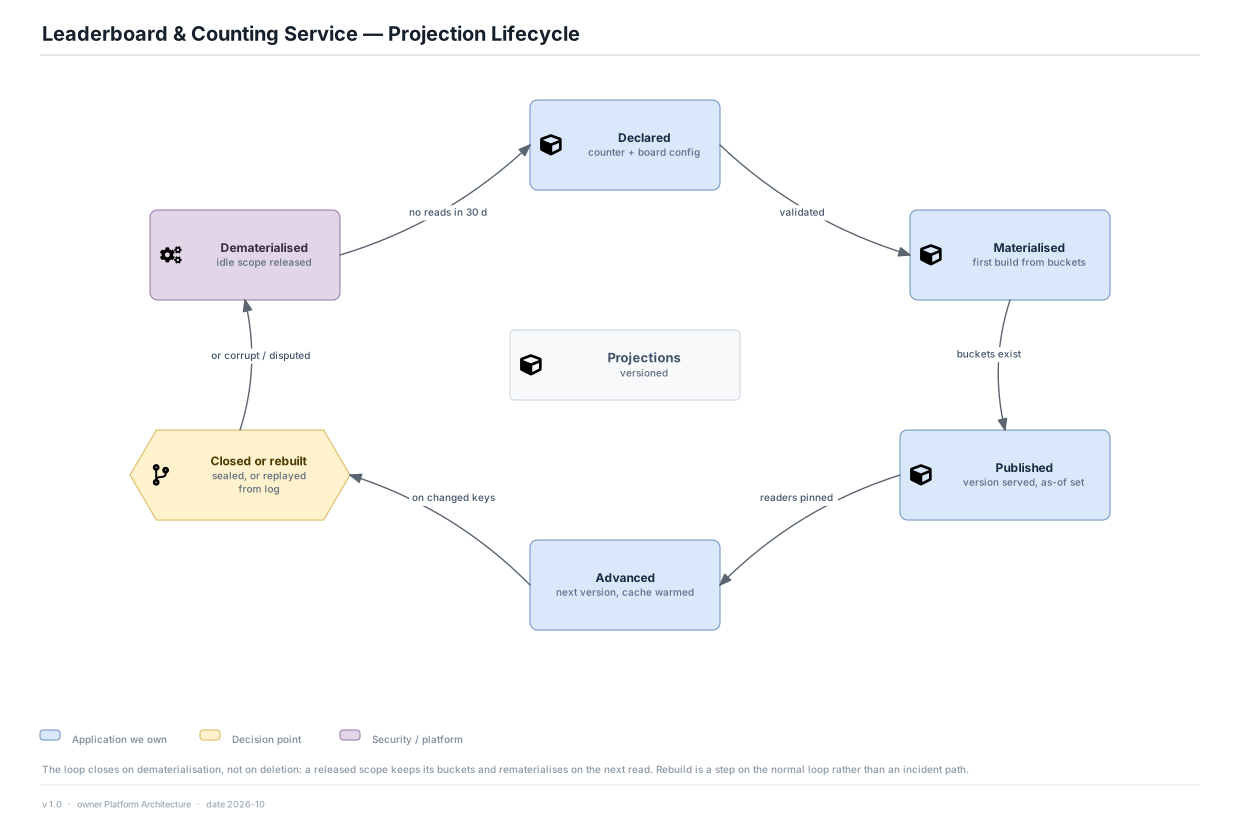
A monotonic identifier for one build of a ranked view, published after its cache is warm. |
What a response declares, what a session pins, and what a rollback points back to. |
A 'snapshot', which is reserved here for the immutable sealed standing. |
| As-of |
The timestamp at which a served projection is accurate. |
The platform's statement of what it does not yet know; the field a product renders as "as of". |
A 'last updated' time, which usually means when the record was written rather than when it was true. |
| Lateness horizon |
The declared period after an event's event time during which it is still attributed to its own window. |
Bounds the pipeline's window state and makes closure possible at a known time. |
A 'grace period', which suggests a courtesy rather than a correctness boundary. |
| Late bucket |
The visible accumulation of events that arrived beyond the lateness horizon. |
Makes the cost of the horizon measurable instead of a silent policy. |
A 'dead letter', which here means an unparseable event rather than a late one. |
| Compensating delta |
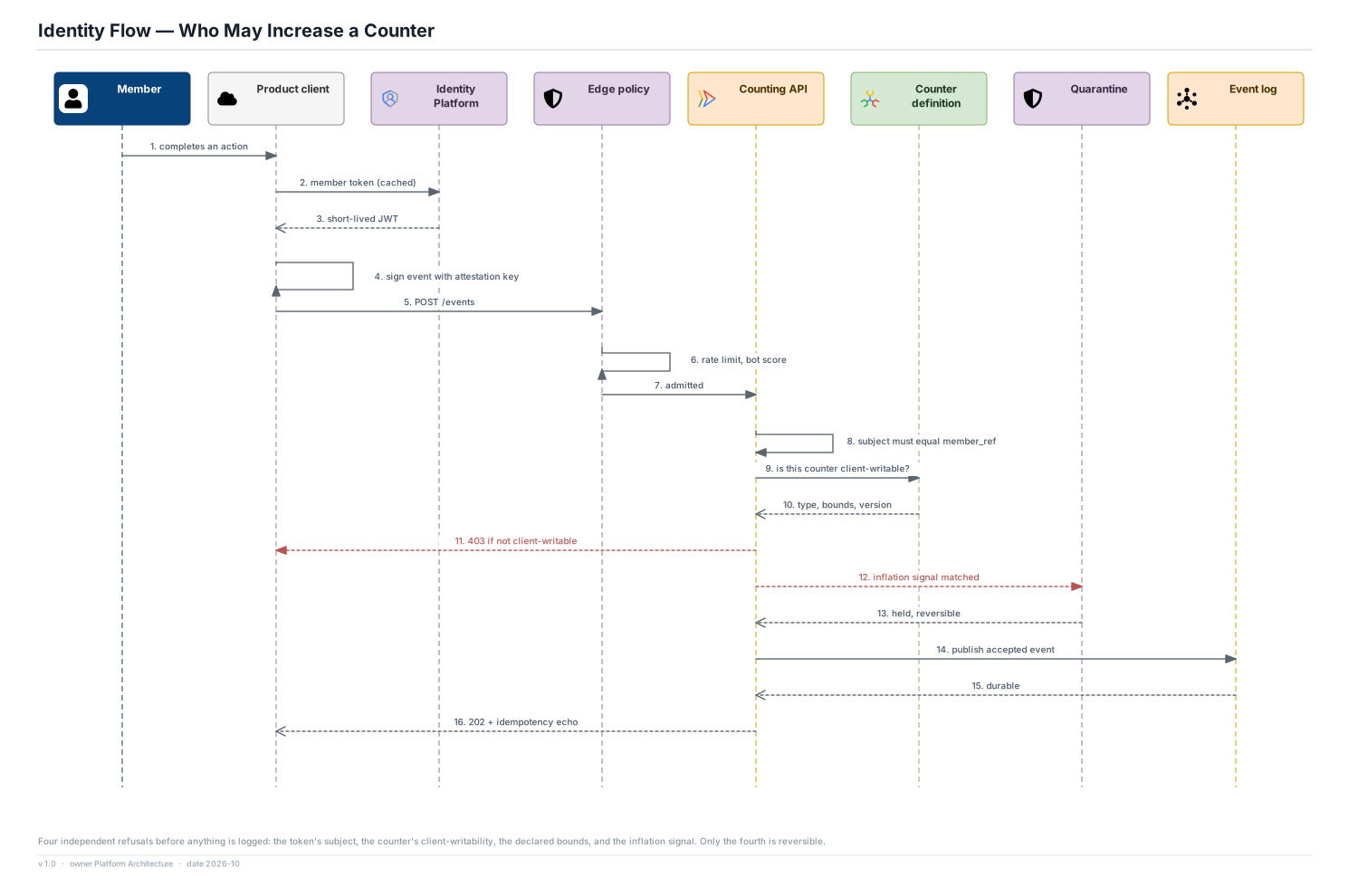
An event that reverses a previously counted one, referencing its idempotency key. |
The only mechanism by which a counter decreases on removal; what makes retraction auditable. |
A 'decrement', which does not carry the cause, the authority or the link to the original event. |
| Closure |
The declared point after which a window or season's standings are immutable. |
The precondition for paying a reward against a standing; the boundary after which correction is published rather than applied. |
A 'reset', which describes the counting side of a rollover and says nothing about the result. |
| Correction record |
A published statement that a closed standing is now known to be wrong, with the prior and revised ranks. |
What a post-closure retraction produces instead of an edit. |
An 'amendment', used in some products for a member-initiated change rather than a platform one. |
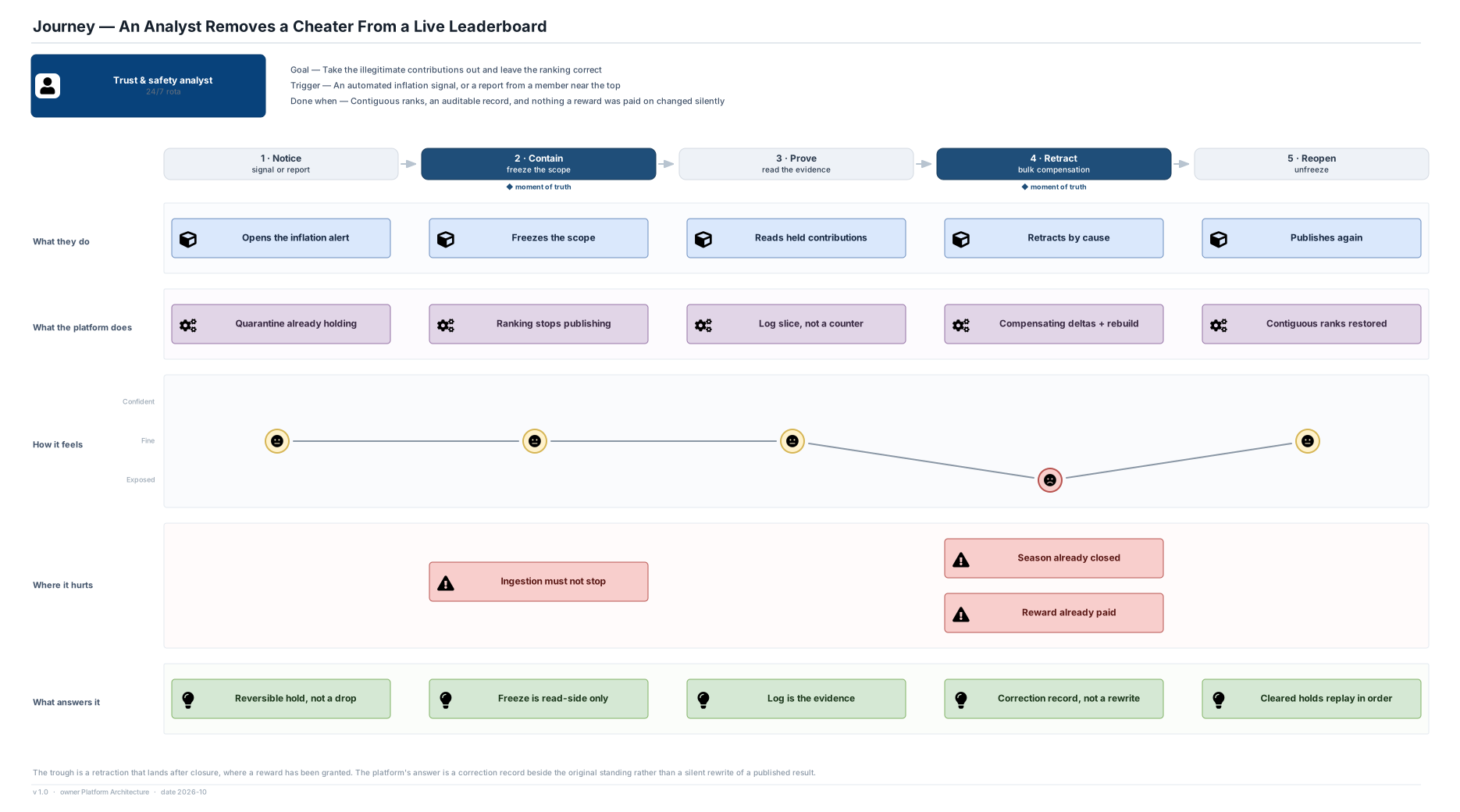
| Quarantine |
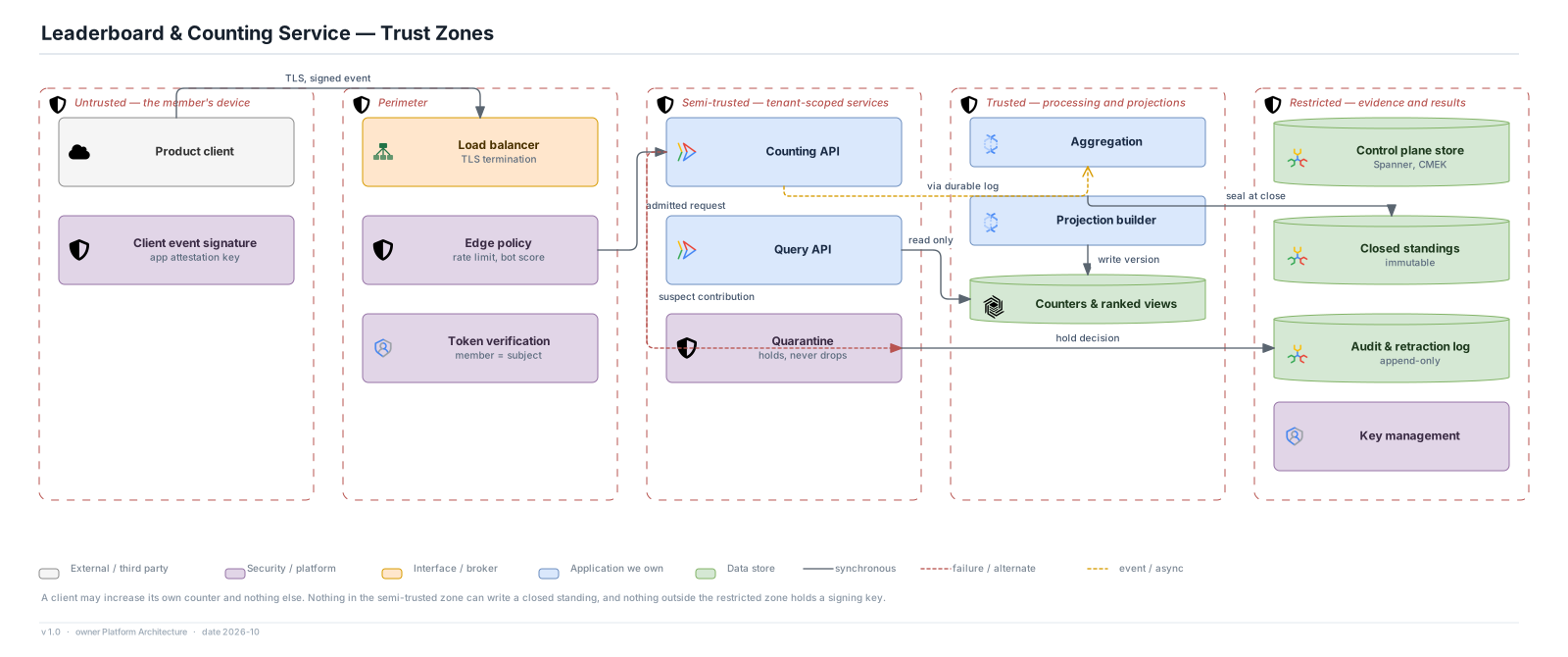
A hold on a suspect contribution: outside the counters, retained with original timestamps, reversible. |
The answer to a probabilistic inflation signal; replayed on clearing, retracted on confirmation. |
A 'block', which implies a permanent refusal and no path back for a false positive. |
| Shard map |
The live record of how many physical shards a hot key's aggregate state is split across. |
What makes hot-key splitting a data operation rather than a schema migration. |
A 'partition map', which in this package refers to the storage engine's own tablet layout. |
| Own-write overlay |
The read-time application of a member's own accepted-but-unprojected deltas to a stale projection. |
How read-your-writes is delivered without making any read strongly consistent. |
A 'write-through cache', which would make the projection itself fresh for everyone and cost far more. |