Internal Developer Platform · View 19 of 21 · Operations
Decisions
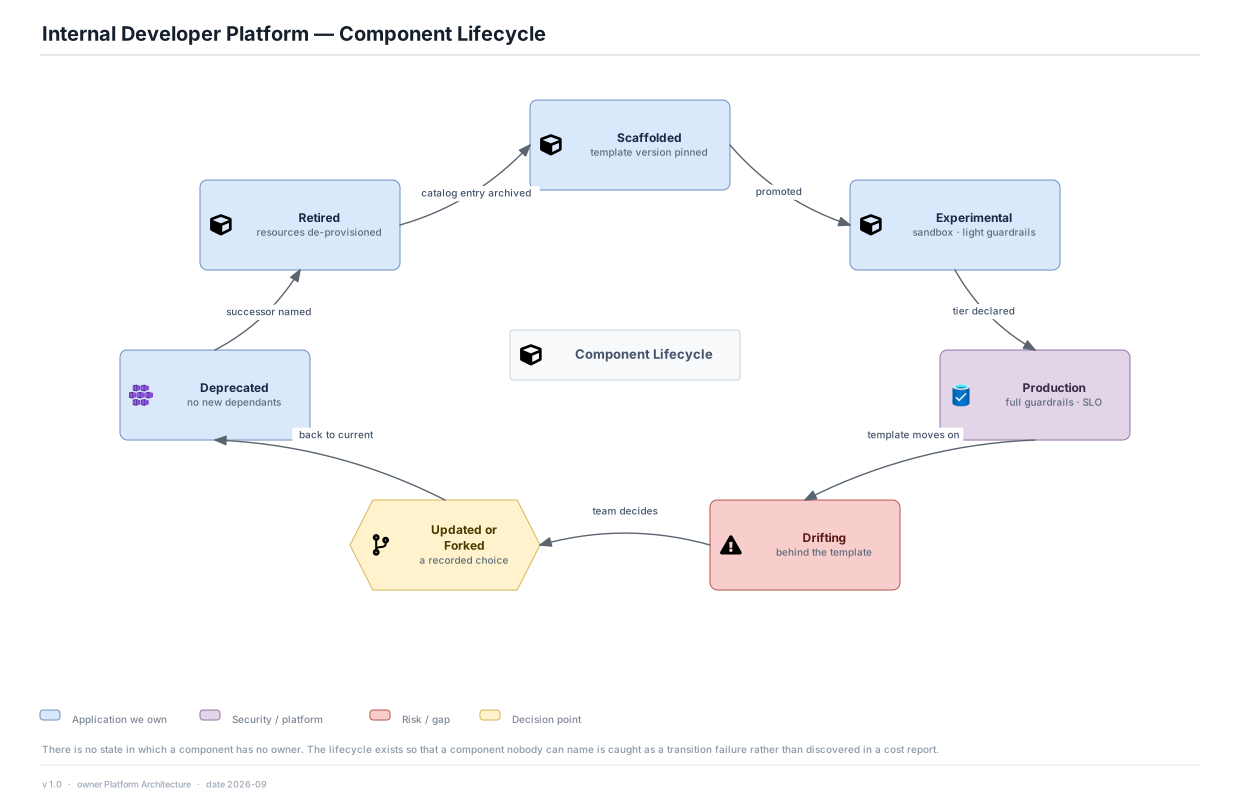
- Lifecycle state changes which guardrails apply and which SLO is expected, so it is a control input rather than a label (ADR-10).
- "Drifting" is a named state rather than a report, and "Updated or Forked" is a recorded decision, because the fork ratio is the number that predicts migration cost (ADR-03).
- Retirement de-provisions resources; a retired component that still costs money has not been retired (ADR-11).
Assumptions
- ≥ 90% of components within two template versions of current, none below the supported floor for more than 90 days (stated assumptions).
- 60 new components per month against an assumed comparable retirement rate at steady state.
Risks
- A team dissolving is the most common way a component leaves the loop without passing through retirement — caught by resolving ownership against live identity groups and quarantining orphans.
- Deprecation without a named successor produces components nobody dares retire and nobody maintains.