Distributed Lock Service · View 24 of 26 · 7 · Assurance
Decisions
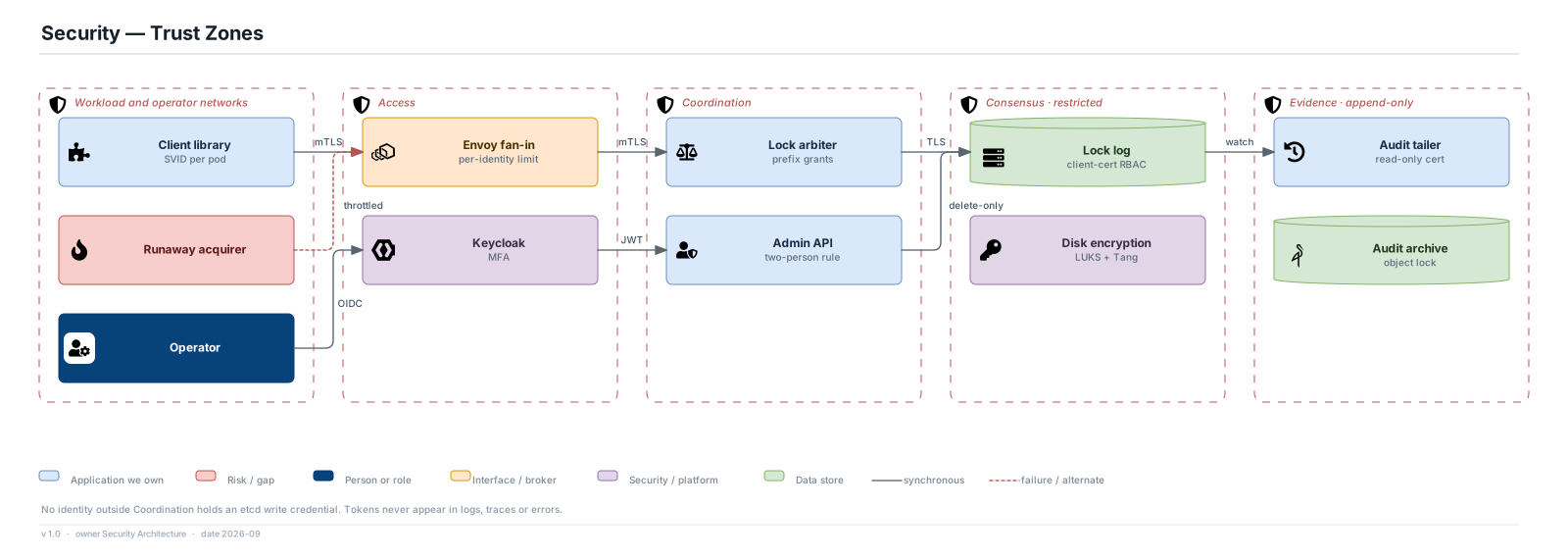
- Every workload authenticates with an X.509 SVID from SPIRE over mTLS. Sessions and holds are bound to the SPIFFE ID, so release and renewal by any other identity are refused by the arbiter.
- Authorisation is a prefix grant: this SPIFFE ID may lock keys under this namespace and path. Grants live in the class registry and are reviewed in the same pull request as the class.
- etcd uses client-certificate RBAC. The arbiter's role writes /l and /q; the Admin API's role may only delete under /l and write /sys/force; the tailer's role is read-only. No human credential can write the lock log.
Denial of service by locking
- Acquiring a lock can halt everything behind it. Envoy applies a per-identity local rate limit and the arbiter enforces per-namespace quotas on held leases and operation rate, returning a distinct quota error rather than degrading the cluster.
Isolation
- A caller probing another namespace gets the same error, in constant time, whether the key exists or not. Authorisation is evaluated before any etcd read.