Distributed Lock Service · View 25 of 26 · 7 · Assurance
Decisions
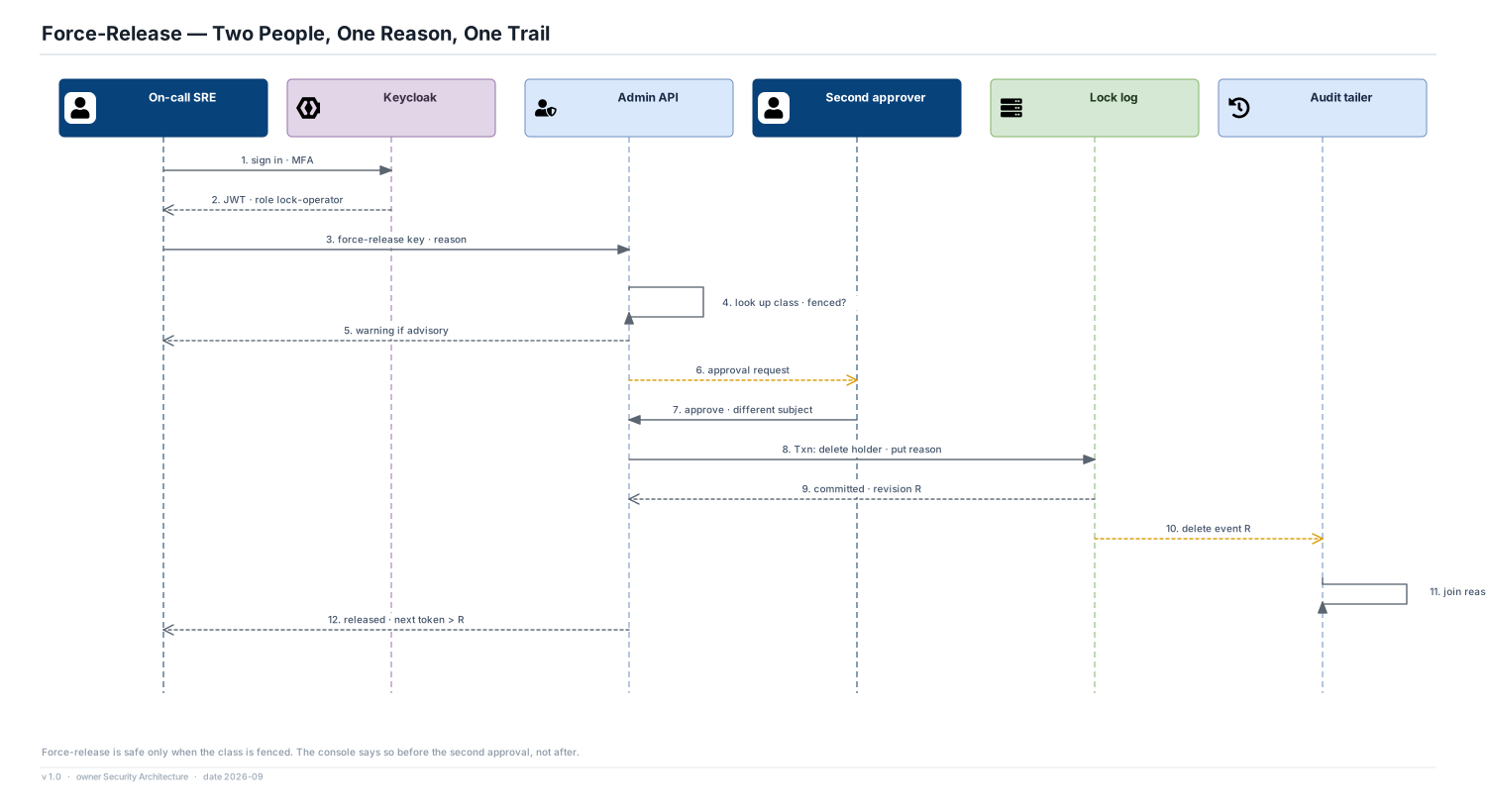
- The requester and the approver must be different Keycloak subjects, both with the lock-operator role and MFA. The Admin API enforces it; the UI merely reflects it.
- The reason and both identities are written as a /sys/force record in the same etcd transaction as the delete, and the tailer reads both at one revision. The audit record cannot exist without the release, or the release without the record.
- The revision of the delete is the floor for the next token. The next grant on that key is strictly higher, exactly as it would be after a normal release.
Stated plainly in the console
- On an advisory class the old holder may still write successfully after the release, because nothing at the resource refuses it. The console shows this before approval and the record keeps class_was_fenced.
Retention
- Force-release records: seven years under object lock, driven by audit policy rather than engineering need.