Storage Tiering Service · View 10 of 31 · 3 · Structure
Contracts
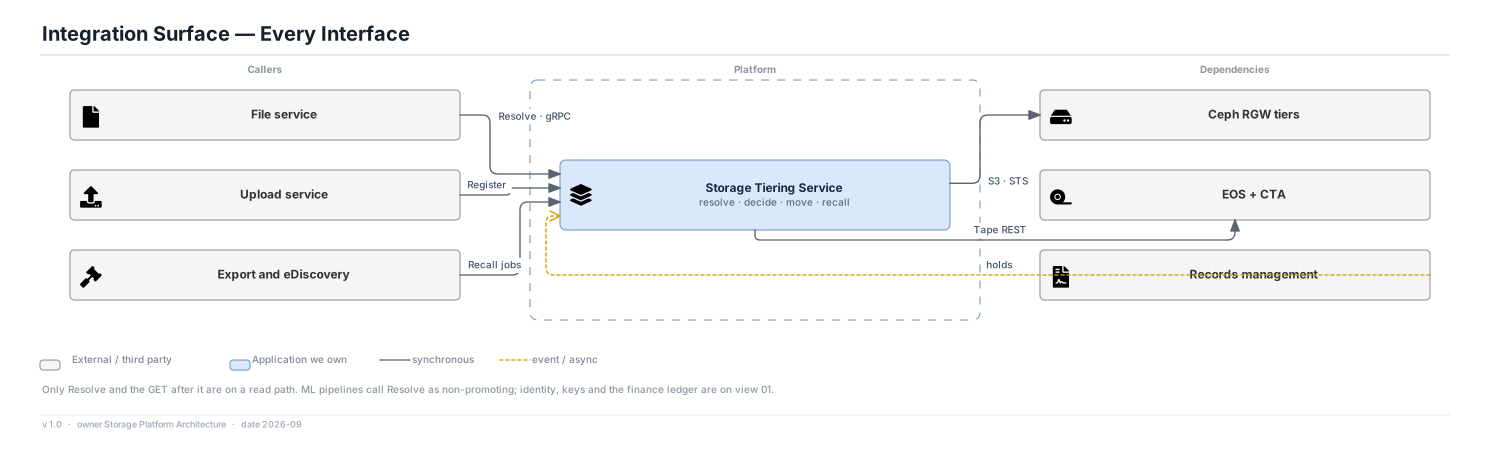
- Resolve (gRPC): object key and declared reader class in; location, byte range, key id and recall class out. Idempotent and cacheable for 60 seconds. It never returns a tier name to a product surface.
- Register (gRPC): called at upload commit with the tenant and an object class. The ingest placement comes from a compiled table, so an archive-bound backup is written to its tier once instead of to hot and then moved.
- Recall jobs (REST): a set of objects, an authority and a budget; a job handle with an ETA back within three seconds.
Standard protocols at the seams
- S3 API and STS towards Ceph; the WLCG Tape REST API towards EOS and CTA, which dCache also implements. Either storage product can be replaced without the service changing its model.
- Hold events arrive as idempotent messages with the records-management reference, so a replay cannot create a second hold.
Omitted here
- Identity, keys and the finance ledger (view 01), and Ceph bucket notifications feeding the reconciler (view 30).