Container Registry and Software Supply Chain Platform · View 19 of 33 · 4 · Runtime
Decisions
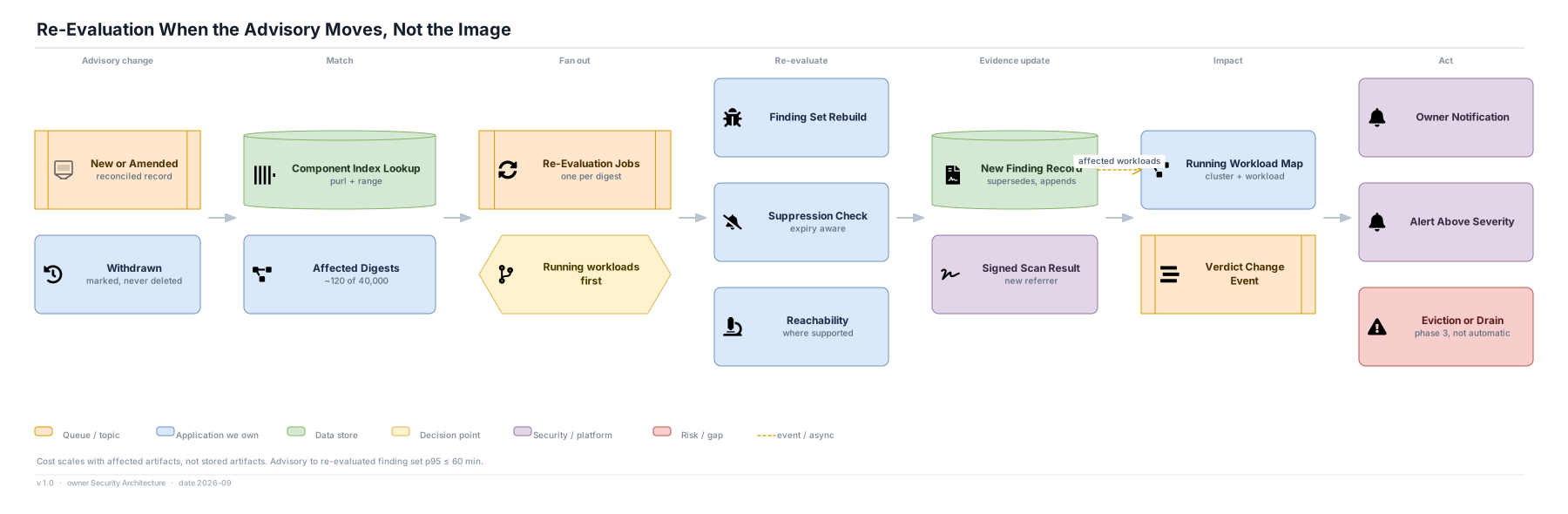
- Re-evaluation is index-driven: match the advisory against the component index, then fan out to the affected digests only
- Artifacts referenced by running workloads are re-evaluated first, but stored artifacts are re-evaluated too — audit asks about them
- A new finding record supersedes the previous one; nothing is overwritten and nothing is deleted
Targets
- New advisory to re-evaluated finding set on all affected artifacts: p95 ≤ 60 minutes
- An event is emitted when a running workload's image acquires a finding above a configured severity, naming affected clusters and workloads
- Count of running workloads in violation of current policy is a first-class metric
The gap we are keeping
- A changed verdict denies the next admission but does not evict the running pod
- Automated eviction or drain is phase 3, and it is a different problem from admission — it needs a disruption budget and an owner
- Until then the answer is a notification and a human, which is honest but slow