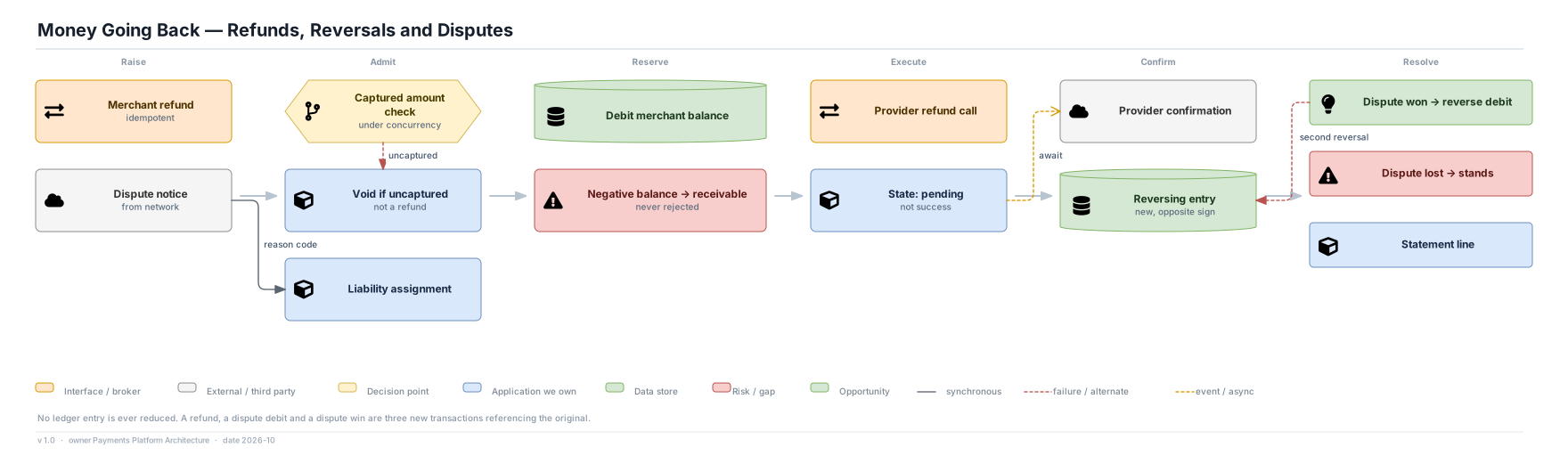
Payment Checkout & Ledger Service · View 15 of 24 · Runtime
Decisions
- No ledger entry is ever reduced. A refund, a dispute debit and a dispute win are three new transactions referencing the original (ADR-02).
- A void of an uncaptured authorization is a different operation from a refund, with a different provider call and different ledger accounts.
- A refund is accepted even when the merchant's available balance is insufficient; the negative balance is recorded as a receivable rather than the refund being rejected (ADR-13).
Why that last one
- Refusing a refund because a merchant is out of funds pushes a platform problem onto a buyer who has already been charged. The receivable is the platform's credit risk, taken knowingly.
- The sum of refunds can never exceed the captured amount under concurrent requests — enforced in the payment shard, which is why refunds stay inside one merchant's shard (ADR-08).
Risks
- A chargeback can arrive after the merchant has been paid out. The dispute reserve account exists for that, and it is sized by a risk policy this design does not set.