Observability Platform · View 22 of 25 · Operations
Decisions
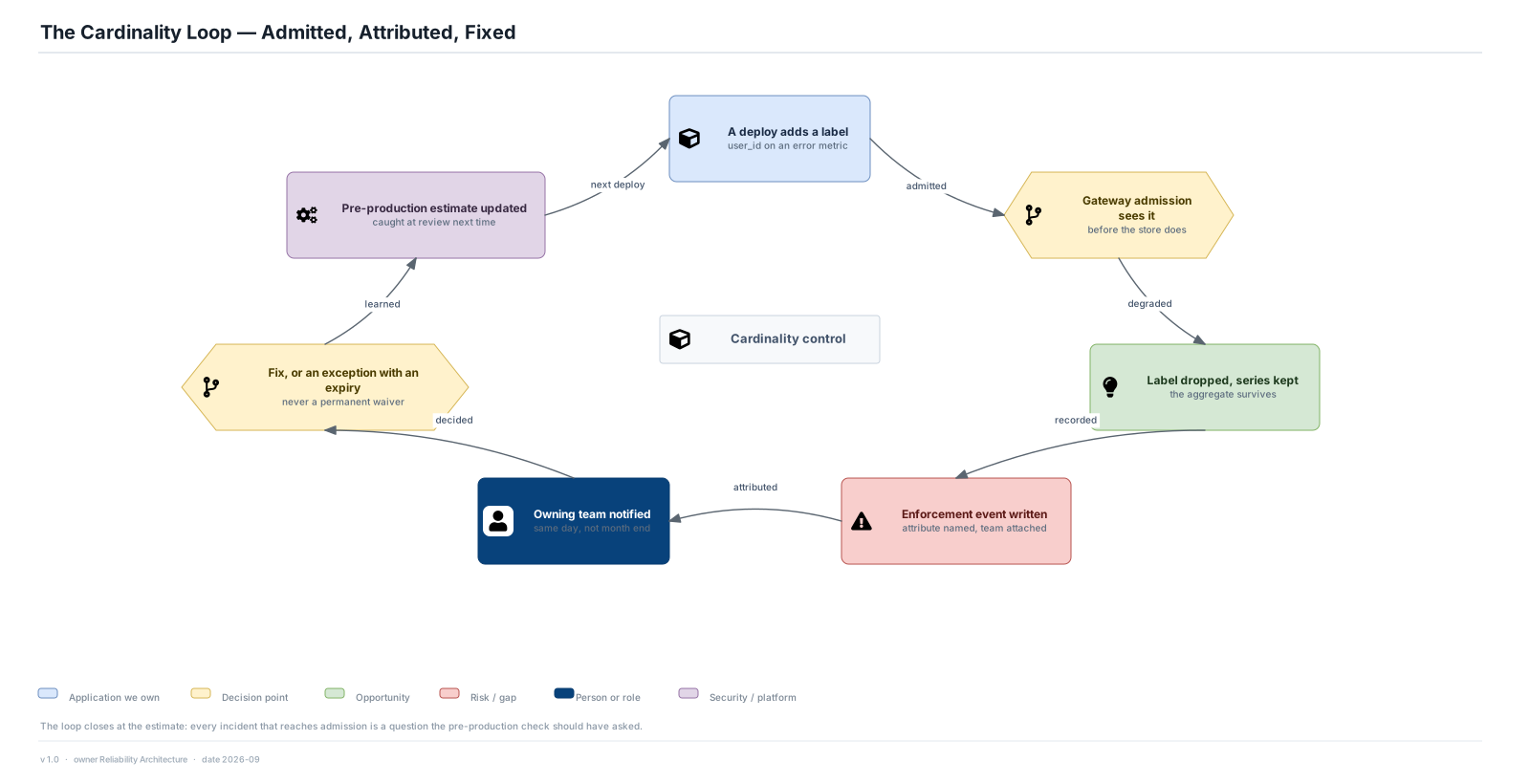
- Degrade before rejecting: the over-budget label is dropped and the series collapses into a lower-cardinality parent, so the measurement survives even when the detail does not.
- Every enforcement action produces an attributed record with the offending attribute named, delivered to the owning team the same day rather than at month end.
- An exception carries an expiry. A permanent exception is a repealed control.
Why it is a loop
- Every incident that reaches admission is a question the pre-production estimate should have asked. The loop closes by feeding the estimate, which is the only step that reduces the rate of the next one.
Risks
- Label-dropping is a silent change in meaning if the reader does not notice: the series is still there, it just no longer splits by the dimension they expected. The enforcement record is what makes that visible, and it must reach the dashboard, not just the team's inbox.