LinkedIn Professional Network · View 28 of 30 · 7 · Assurance
Decisions
- Passwords are stored with an adaptive salted hash (argon2id). LinkedIn's 2012 breach exposed unsalted SHA-1 hashes, the textbook case for this rule (widely reported)
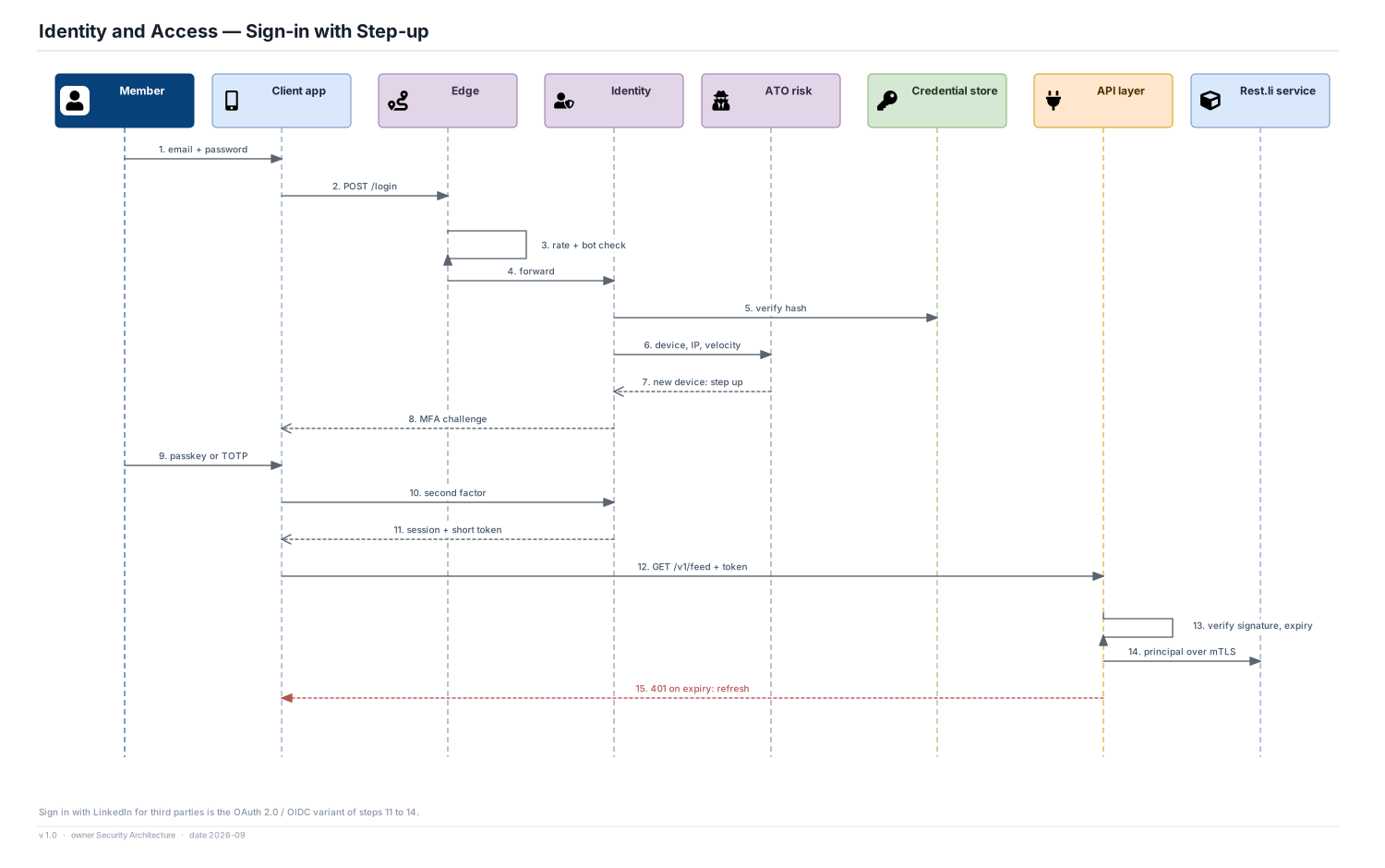
- Step-up is risk-based: MFA is required for a new device, an unusual IP or unusual velocity, not on every login
- Access tokens are short-lived; refresh tokens rotate and are bound to the device
Standards
- OAuth 2.0 and OIDC for Sign in with LinkedIn, with scopes consented per app
- SAML for enterprise recruiter seats
- Passkeys are accepted as a first factor
Risks
- A SIM swap defeats SMS codes. SMS is the weakest factor and is not offered on privileged seats
- A revoked session must stop working in every colo within seconds, so revocations travel as Kafka events