LinkedIn Professional Network · View 23 of 30 · 6 · Operations
Decisions
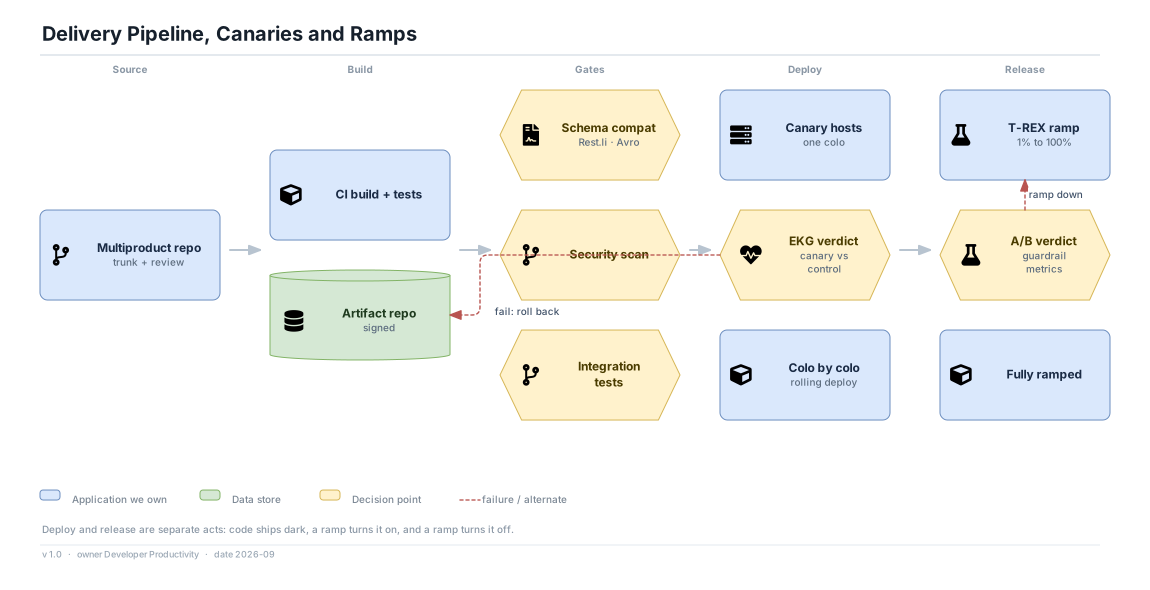
- Rest.li and Avro schema compatibility is a build gate, not a review comment
- EKG compares canary hosts with control hosts and stops a rollout automatically (LinkedIn, 2015)
- Release is a T-REX ramp, separate from deploy. T-REX has run up to 41,000 concurrent A/B tests (LinkedIn, 2020)
History worth knowing
- In 2011 LinkedIn paused feature work for about two months (Project Inversion) to rebuild its release tooling. That is the precedent for treating delivery as architecture (widely reported)
- LiX and XLNT were the earlier names of the experimentation platform now called T-REX
Risks
- Ramps interact with each other. T-REX tracks overlapping experiments per member
- Rolling back data is not rolling back code, so schema changes follow expand then contract