Consent & Privacy Service · View 18 of 22 · Operations
Decisions
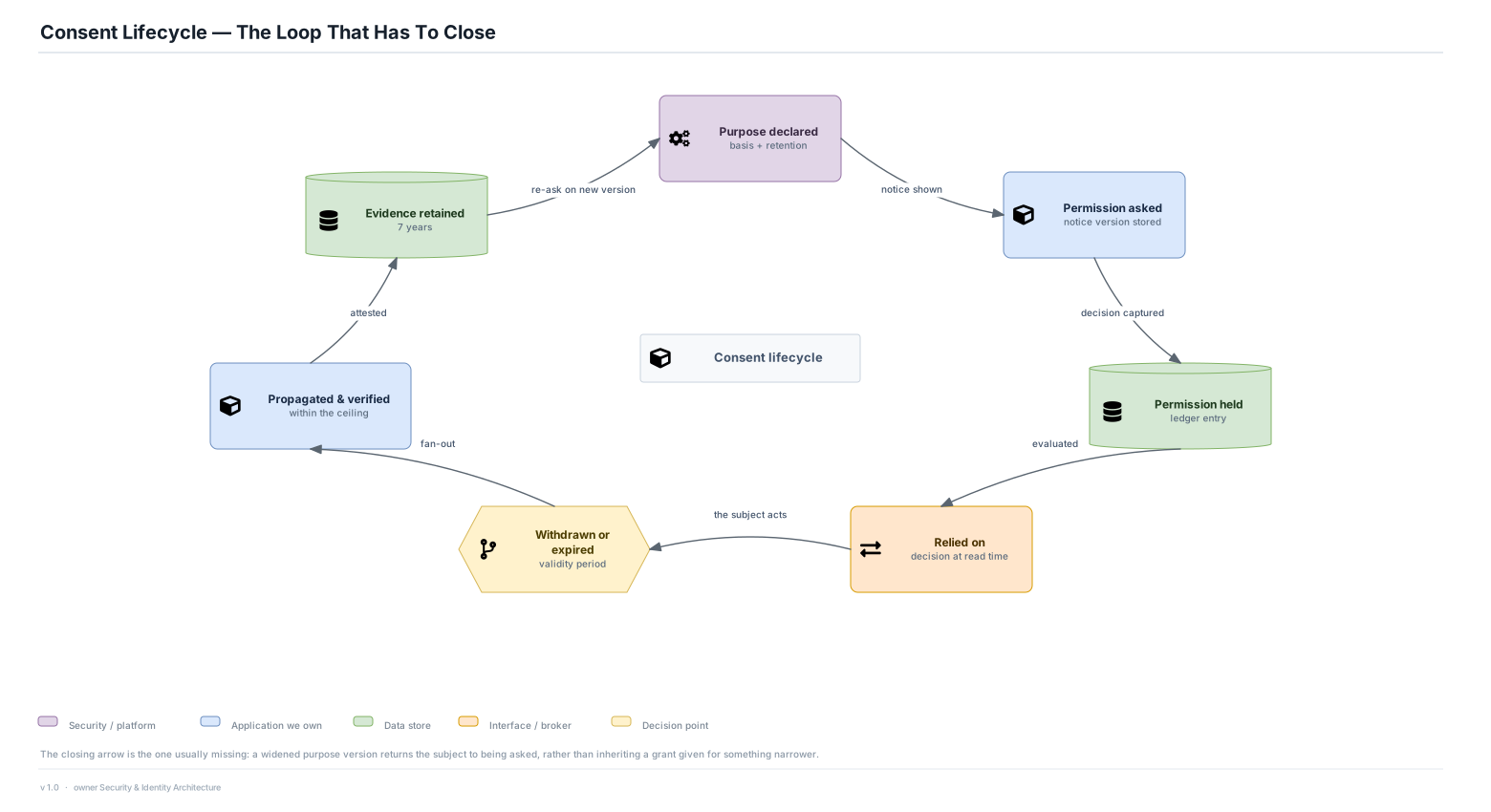
- The closing arrow is a widened purpose version returning the subject to being asked. A grant given for something narrower does not silently cover something broader, and that is enforced by versioning rather than by review.
- Consent-based permissions expire after a declared validity period and are re-asked, rather than a grant from four years ago being treated as current.
- Evidence retention is on the ring, not beside it: the lifecycle is not complete when the subject acts, but when the action is provable.
Assumptions
- Consent validity period declared per purpose; the exercise assumes 24 months for marketing-class purposes and re-asks on expiry.
- A narrowing purpose change applies immediately to existing permissions and does not re-ask.
Risks
- Re-asking is unpopular and the pressure to classify a widening change as narrowing will be constant. The widening flag is set in reviewed policy-as-code and approved by two people for that reason.
- An expiry wave concentrates re-asks and looks to the subject like the banner coming back. Spreading expiry across the cohort is an operational requirement the ring does not show.