Backup and Restore Service · View 25 of 26 · 7 · Assurance
Decisions
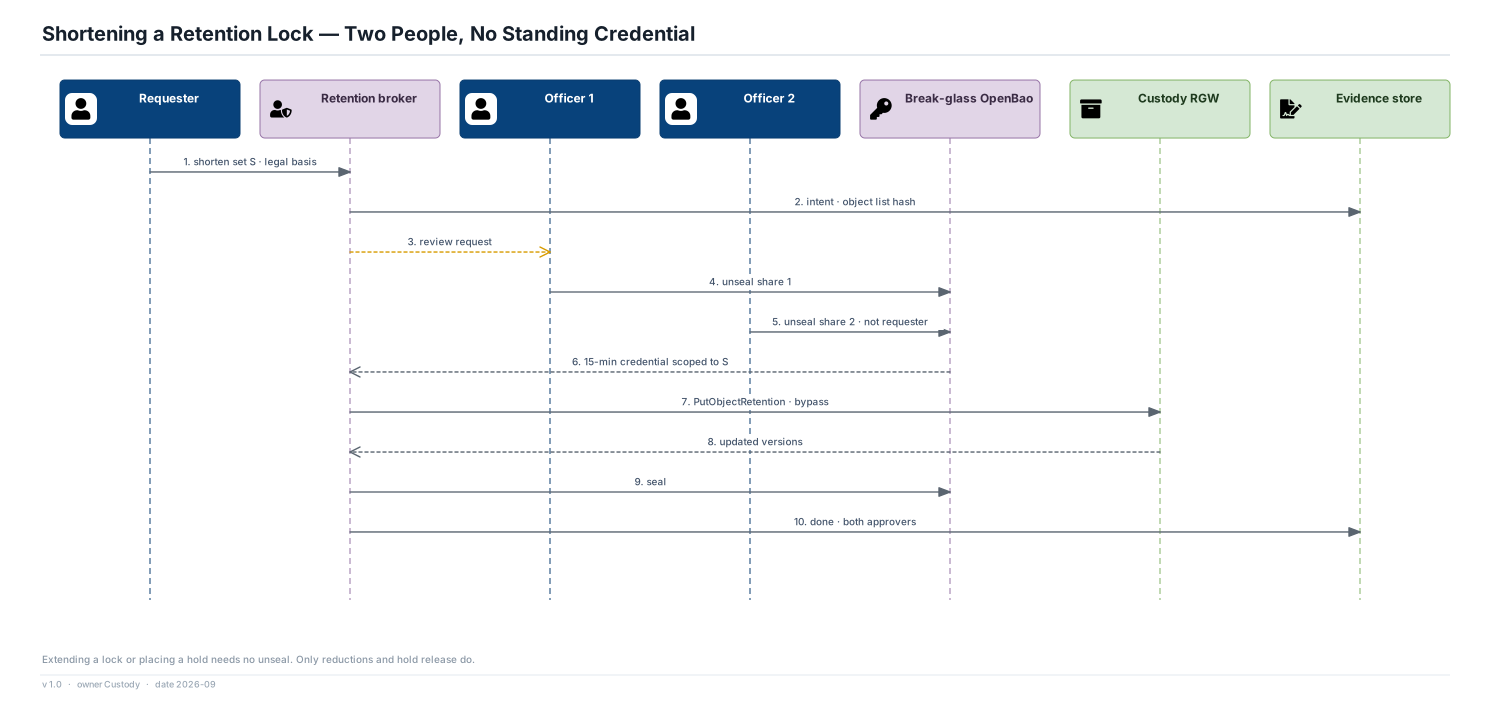
- The permission to bypass retention lives only in a dedicated OpenBao instance in the custody domain, which is sealed at rest. Unsealing needs 2 of 5 Shamir key shares held by custody officers, so the two-person rule is enforced by cryptography, not by a workflow flag.
- The broker coordinates, records and scopes, but holds no standing right. Once unsealed, the instance issues one 15-minute credential limited to the listed object versions, and the broker seals it again as soon as the call returns.
- Governance-mode locks are used for tier retention so that lawful disposal remains possible. Compliance mode is used for the evidence store, which no request can shorten at all.
Numbers
- Expected volume: a few requests a quarter, mostly lawful erasure and correcting a wrong tier. Each takes about an hour of officer time, which is a deliberate cost.
Risks
- Losing three of five share holders at once makes reductions impossible until shares are re-issued. That is the safe way to fail, and share holders are reviewed at every leaver or role change.