Backup and Restore Service · View 17 of 26 · 5 · Runtime
Decisions
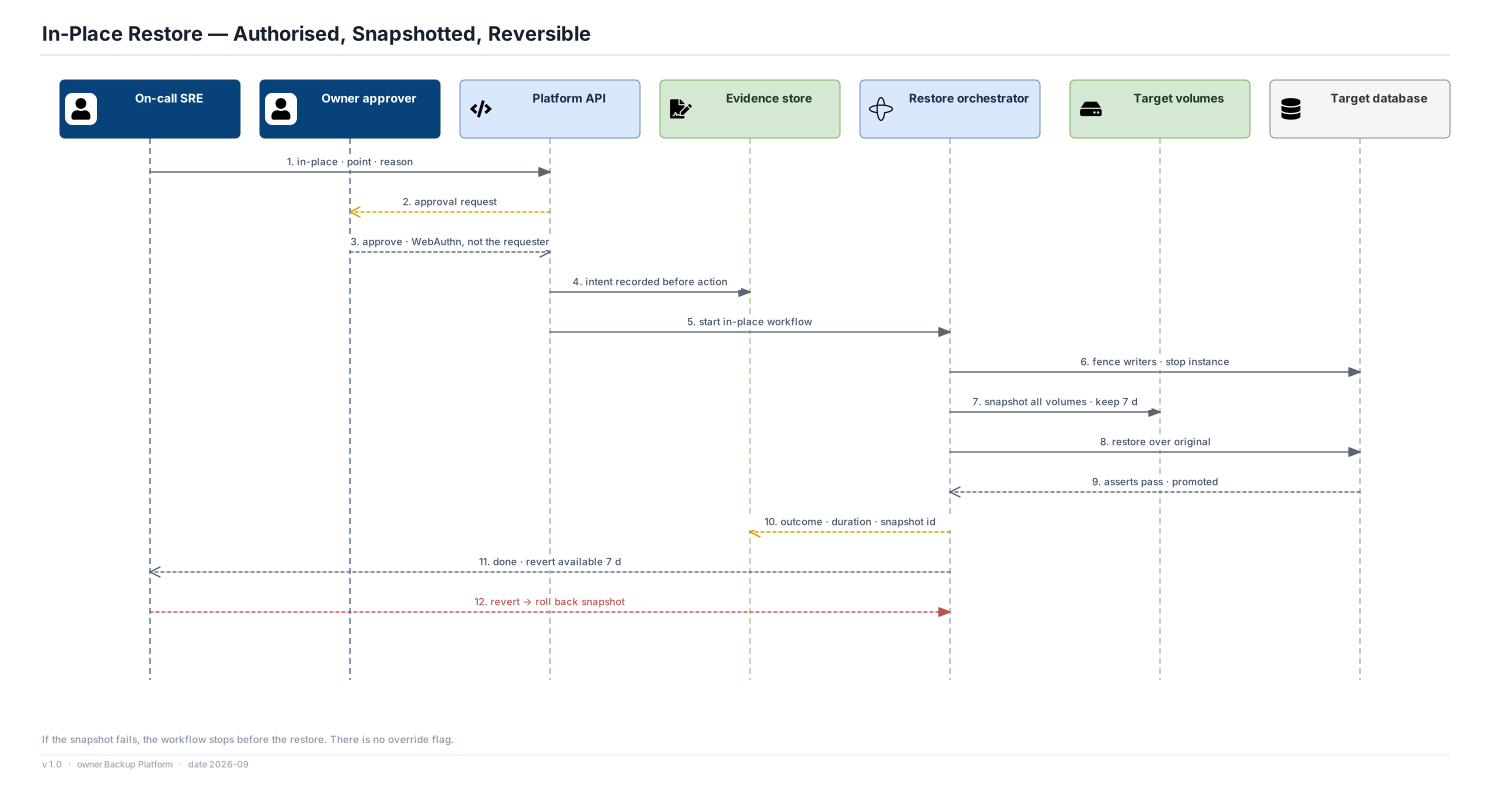
- The approver must belong to the datastore's owner group and must not be the requester. Keycloak enforces WebAuthn for the approval, so the second person is a real second person.
- The audit intent is written before the workflow starts. If the evidence write fails, the restore does not start. A destructive action with no record is worse than a delayed one.
- The pre-restore Ceph RBD snapshot of every target volume is mandatory. If the snapshot fails, the workflow stops, and there is no flag to skip it.
Numbers
- The target snapshot is kept for 7 days. Reverting takes minutes, because rolling back an RBD snapshot does not re-copy data.
- In-place restores are expected to be rare, a few a year. Side-by-side restores followed by a service cutover cover most recoveries.
Risks
- Datastores not on Ceph RBD (a few bare-metal hosts with local NVMe) cannot be snapshotted this way. They take a pgBackRest full copy of the target first, which is slower, and their stated in-place RTO includes it.