Backup and Restore Service · View 12 of 26 · 4 · Data
Decisions
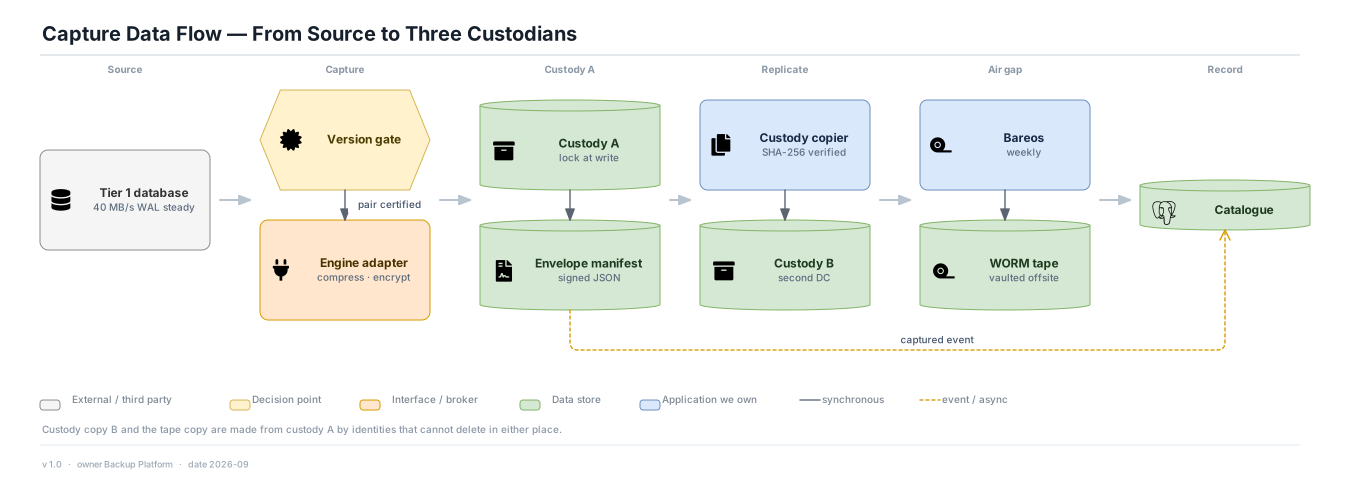
- Encryption happens in the adapter, before bytes leave the source host. Custody administrators store ciphertext and never hold a key that opens it.
- Object Lock retention is set on the bucket as a default at write time, not afterwards by a separate call. There is no window in which an artefact exists unlocked.
- The copier reads from A, recomputes SHA-256, and only then writes to B. A copy that is not checked is a second, independent chance to store corrupted bytes.
Numbers
- Tier 1 log: 40 MB/s steady, 200 MB/s peak, p99 shipping lag of 60 s.
- Copier lag to B: target under 15 minutes for Tier 1. Tape: weekly full of Tier 1 and monthly of the regulatory set, about 12 TB, or one to two LTO-9 cartridges, a week.
Why tape
- The second custodian has to fail differently from the first. Tape is different media, different software (Bareos, not Ceph), different administrators, and offline once vaulted. Nothing that can reach a Ceph cluster can reach a cartridge on a shelf.