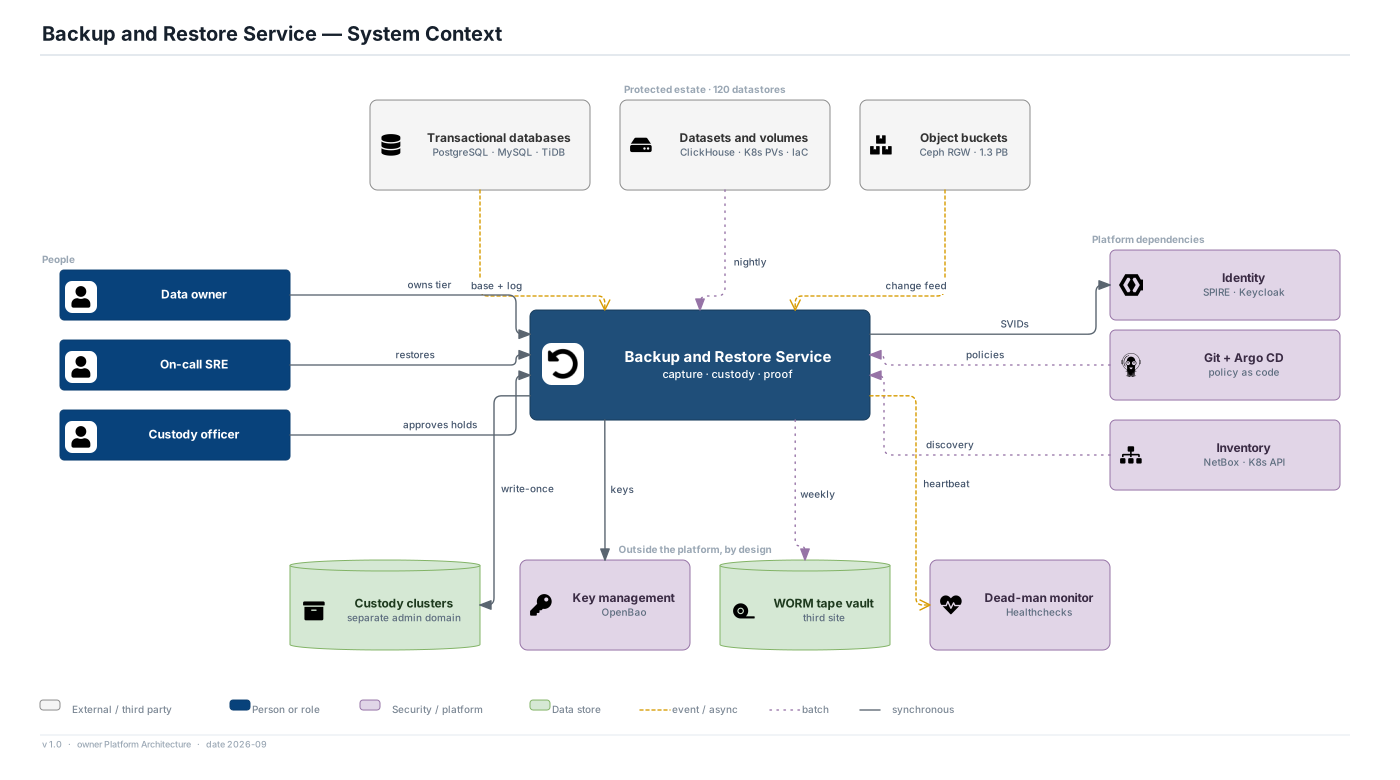
Backup and Restore Service · View 01 of 26 · 1 · Context and scope
Decisions
- Custody clusters, the tape vault and the dead-man monitor are drawn outside the boundary on purpose. Each exists to keep working when this platform is wrong, compromised or down, and would lose that value if the platform administered it.
- The estate is read, never written, during capture. The only paths that write to a datastore are restores, and each of them is separately authorised (views 14 and 17).
- High availability and replication stay with the protected systems. A replica copies a bad migration in milliseconds, so the platform never counts one as a backup.
Assumptions
- About 120 datastores across 40 services: 14 PostgreSQL, 4 MySQL, 3 TiDB, 6 ClickHouse datasets, 30 Kubernetes volumes, 25 Ceph RGW buckets and 12 configuration sources. About 1.4 PB in total, 40 TB of it transactional.
- Two data centres run production. A third site holds tape and one key-management voter. NetBox and the Kubernetes API are the inventory of record.
- SPIRE, Keycloak, Git with Argo CD and the shared Prometheus and Alertmanager stack already exist and are run by other teams.
Out of scope
- Regional failover and replication of live systems, archival for analytics, and data export for portability.
- Endpoint and SaaS backup. The estate is what runs in the two data centres.