Streaming Video Encoding & Packaging Pipeline · View 19 of 22 · Operations
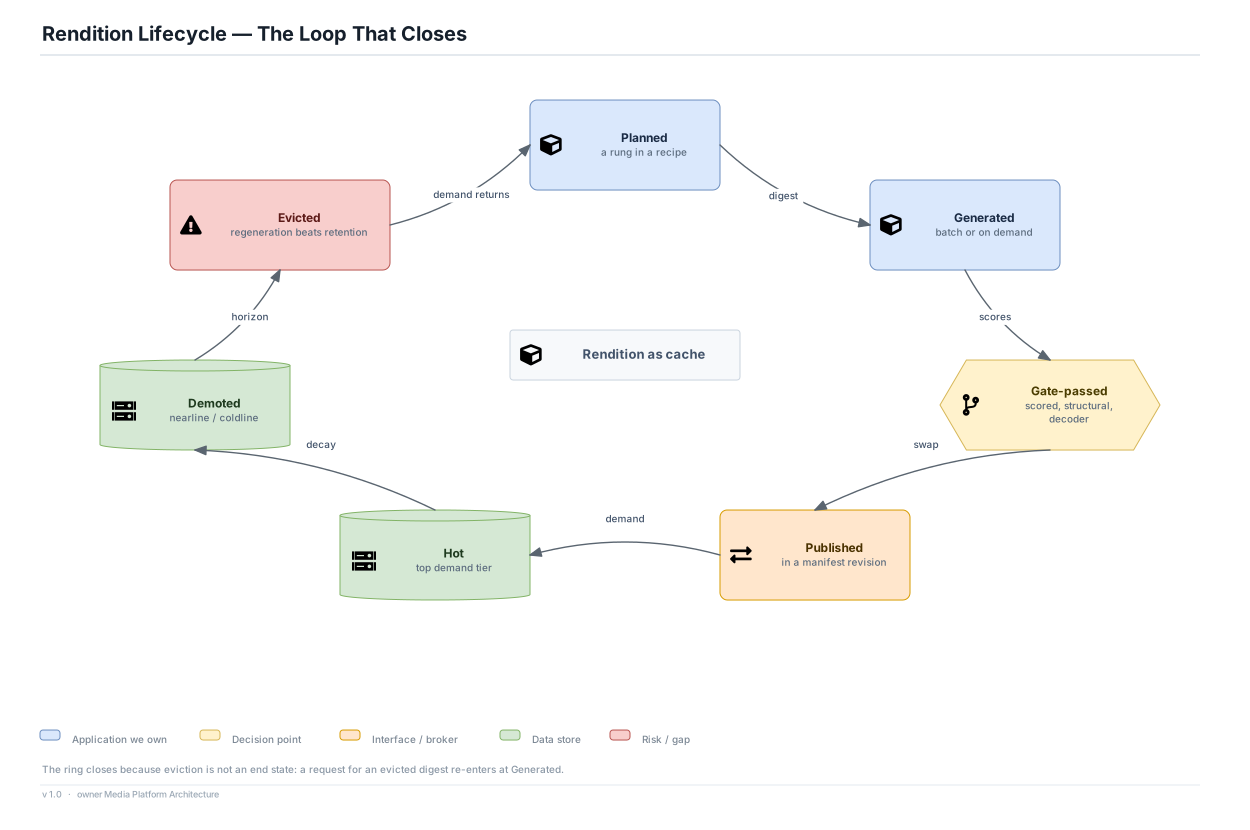
Eviction is not an end state
- A request for an evicted digest re-enters at Generated. That is what makes this a lifecycle rather than a retention schedule.
- The eviction rule is economic, not temporal: evict when regeneration cost falls below retention cost over the policy horizon.
The centre is the design decision
- "Rendition as cache" is in the middle because every transition on the ring is only legal under that reading. If renditions were publications, Demoted and Evicted would be data-loss events.
Assumption
- Assumed ≥ 70% of catalogue hours held at the cheapest tier or not held at all, and rendition storage ≤ 18% of total storage spend. Both are targets the tiering policy is tuned against.