Streaming Video Encoding & Packaging Pipeline · View 09 of 22 · Structure
Telemetry is inbound
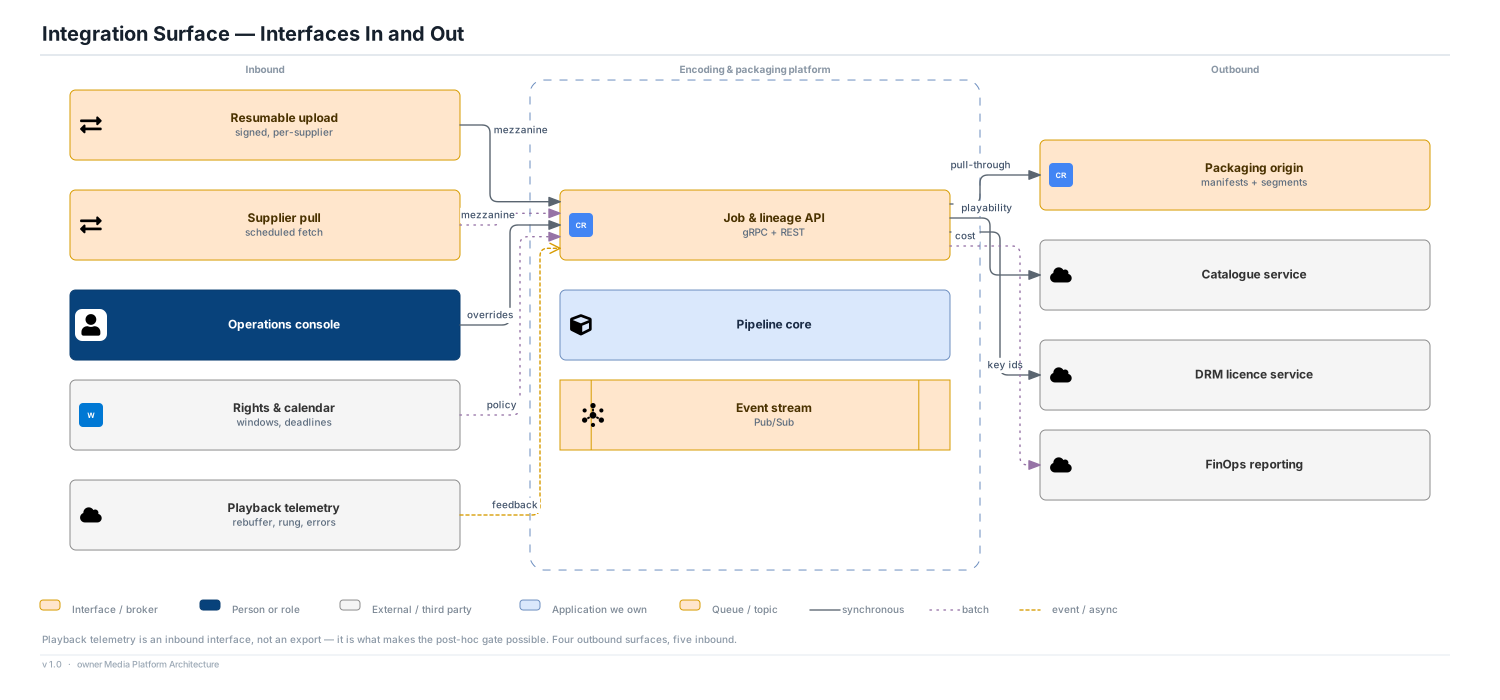
- Playback telemetry is drawn as an inbound interface because that is what it is: the platform consumes rebuffer rate, rung distribution and decode errors by device class.
- That inbound arrow is the entire basis of the post-hoc gate. Without it, quality assurance stops at the moment of publication and a false pass is a customer-support ticket.
What the outbound contract actually is
- To the origin: manifests and immutable segments, pull-through. To the catalogue: playability per title and territory, not a file list.
- To the DRM service: key ids and policies, never keys. The pipeline registers what a licence may be issued for and holds nothing.
Known clutter
- Three label-position warnings survive on this view from the route check. They are the fan-in of nine spokes onto one API box; shortening the labels further would cost more meaning than the overlap costs legibility.