Storage Tiering Service · View 30 of 31 · 7 · Assurance
Decisions
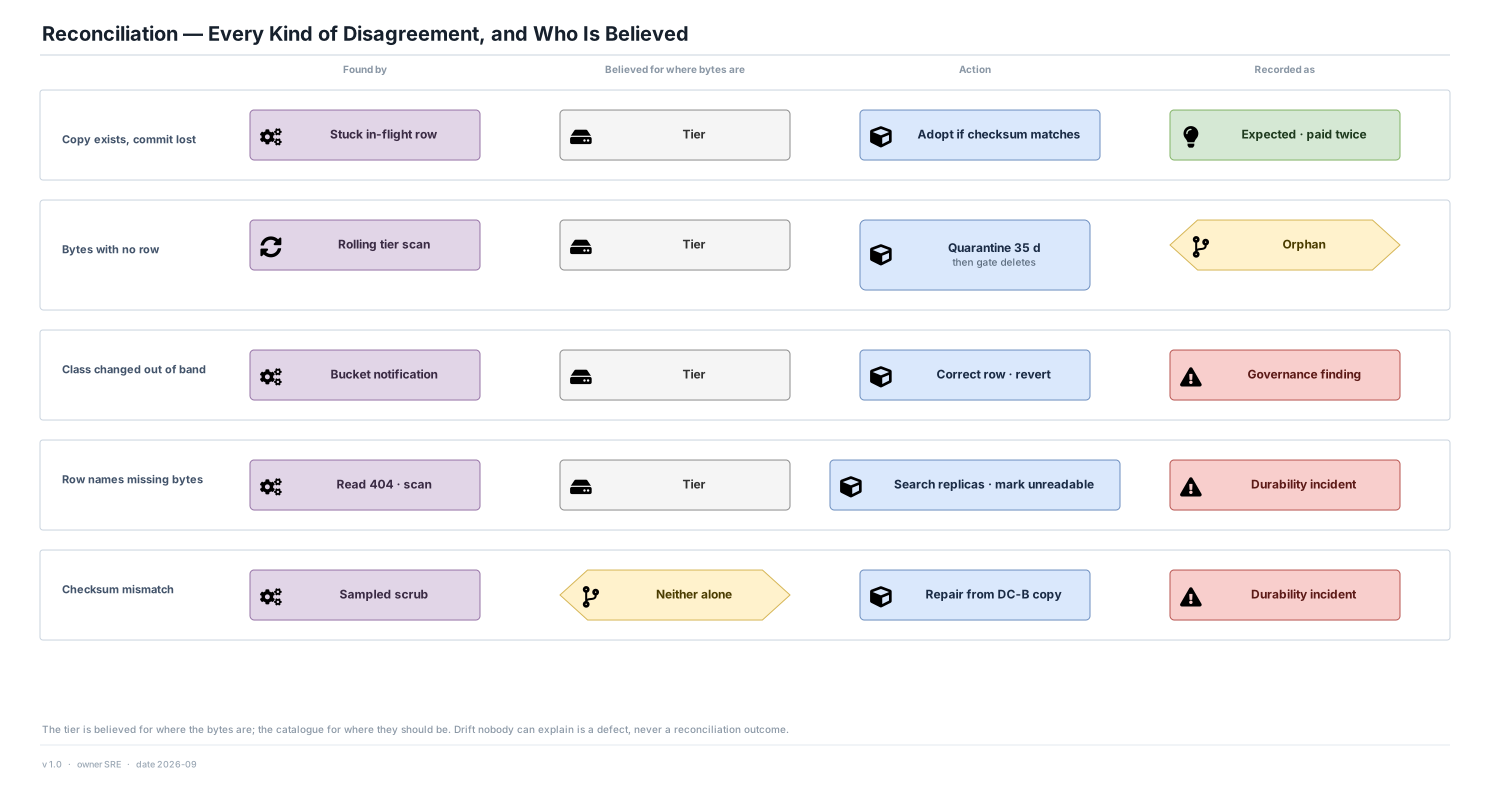
- The tier is believed for where the bytes are. The catalogue is believed for where they should be. Neither is trusted alone, and a disagreement is a finding with a cause, not a preference to settle quietly (ADR-31).
- RGW lifecycle transitions are disabled on every placement bucket. A class change the platform did not decide is detected from bucket notifications and reverted per policy, because a storage layer moving objects on its own is a governance failure.
- Orphaned bytes are quarantined for 35 days before the release gate deletes them. Paying twice for a month is cheaper than deleting something a lagging commit was about to name.
Numbers
- A full rolling scan of every tier every 14 days. Unpacked objects are listed; packs are read by manifest, one small object per pack, not one request per member.
- The same scan machinery rebuilds the whole catalogue in about 30 hours, most of it writing 9.2 billion rows.
Risk
- A scan every 14 days means an out-of-band change missed by notifications can go unnoticed for up to two weeks. Reads are unaffected, because the catalogue still names bytes that exist; the saving figure is what is briefly wrong.