SLO and Error Budget Service · View 20 of 21 · Assurance
Decisions
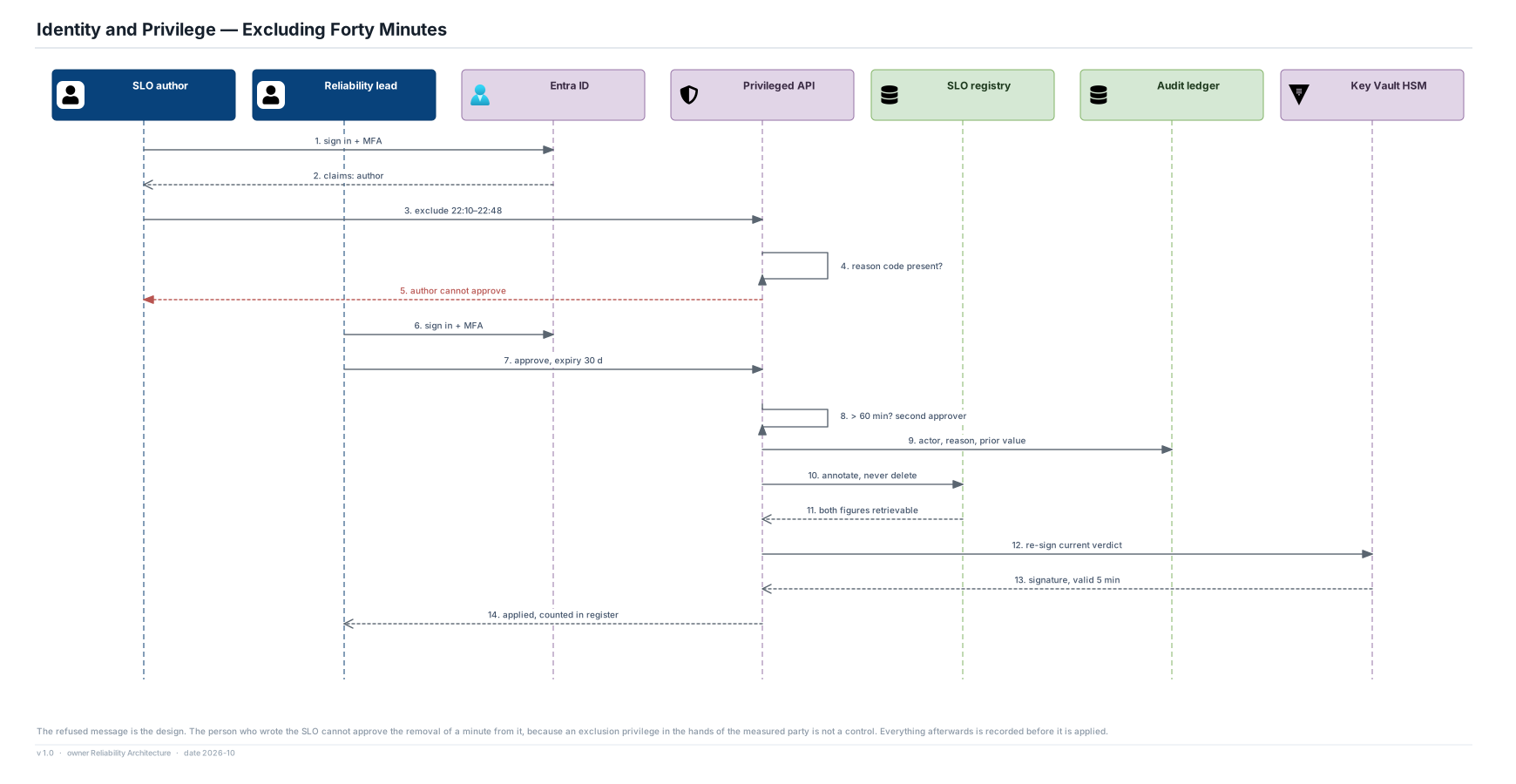
- The refused message is the design. The person who authored the SLO cannot approve the removal of a minute from it: an exclusion privilege in the hands of the measured party is not a control (ADR-11).
- The audit write happens before the registry write. An exclusion is recorded before it is applied, so a failure between the two leaves evidence rather than a silent change (ADR-14).
- Both figures stay retrievable after the annotation. The platform never loses the ability to answer what the month looked like before anyone intervened.
Assumptions
- MFA on every privileged action, with claims carrying the four grants from the corporate identity provider — assumed.
- Exclusions expire by default at 30 days; a permanent exclusion is not expressible — assumed.
- Verdict signatures are valid for 5 minutes, which bounds replay without making every read a signing call.
Risks
- Separation of duties is only as strong as role hygiene. A reliability lead who also authors SLOs for their own service re-creates the conflict the refusal was designed to prevent.
- Re-signing the current verdict after an annotation means a gate holding a cached verdict may enforce a pre-exclusion answer for up to the staleness ceiling.