Service Mesh Platform · View 11 of 31 · 3 · Structure
Decisions
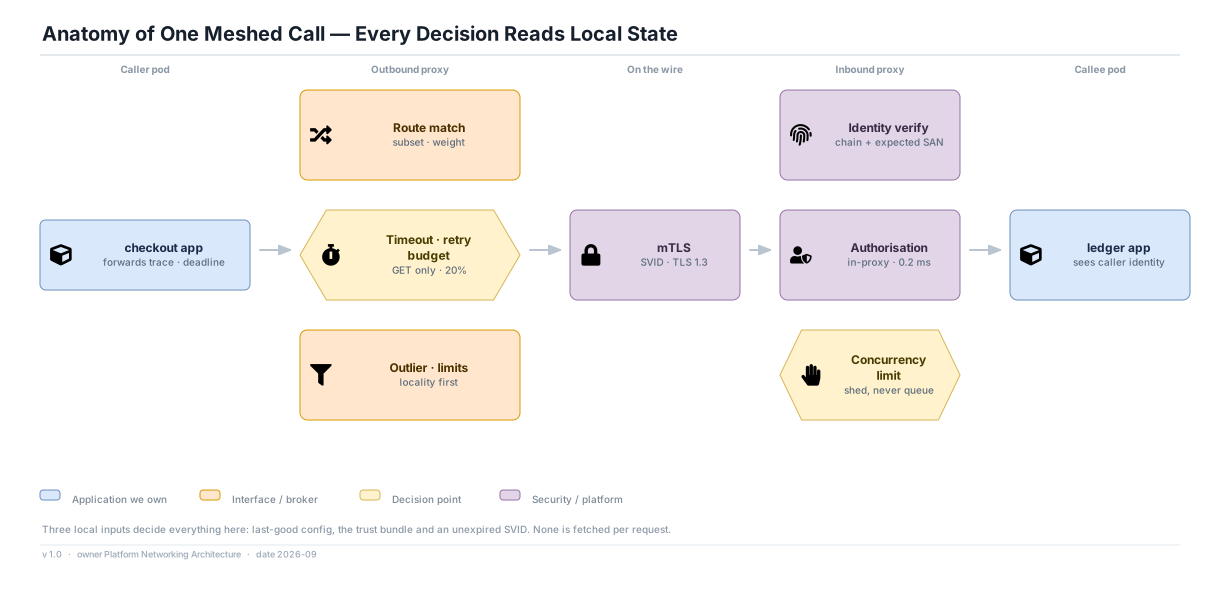
- The inbound proxy checks both the chain and the peer's identity against the set the destination expects. A valid certificate from the right root but the wrong service is refused.
- Load is shed at the callee's proxy with a fast 503 once concurrency reaches its limit. Queueing hides overload until it becomes an outage.
- Retries happen on the caller's side only, for declared idempotent methods, within a per-destination budget. The callee never retries on the caller's behalf.
Budget
- Added latency per hop p50 ≤ 0.5 ms, p99 ≤ 1.5 ms at ≤ 2,000 rps per proxy; ≤ 3 ms p99 for the call. Authorisation p99 ≤ 0.2 ms. Cold mTLS handshake p99 ≤ 8 ms, amortised by connection reuse.
Requires of the application
- Forward trace context and the deadline header on outbound calls. The mesh cannot correlate a hop it did not see the context for; this is the one change the platform asks of every team.