Service Mesh Platform · View 04 of 31 · 2 · People and journeys
The trough, and what answers it
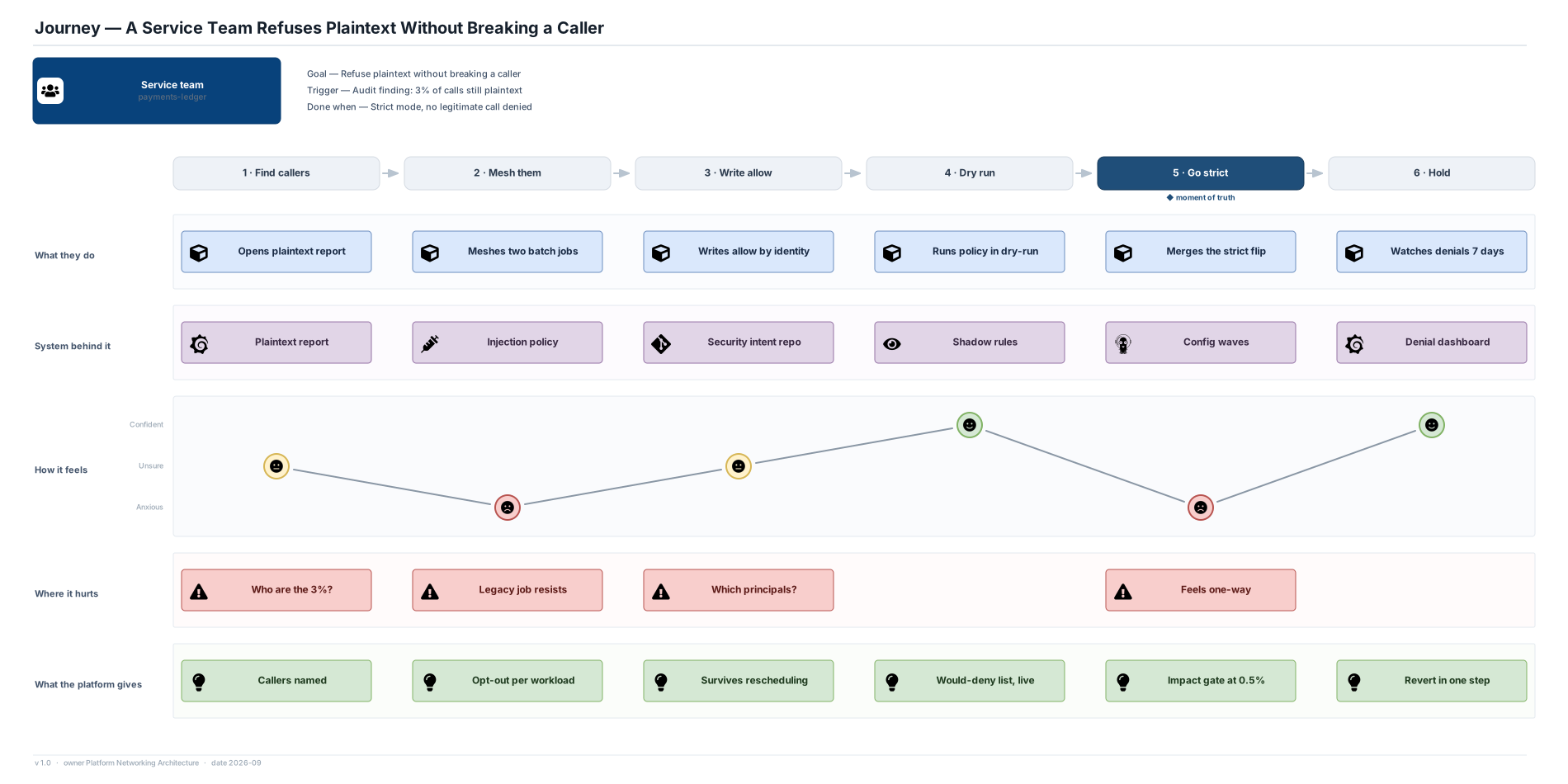
- Going strict feels like a one-way door, because the first sign of a missed caller is an outage. Three things make it reversible: the dry-run report shows who would be denied, the impact gate refuses a change that would deny more than 0.5% of current traffic, and reverting the change is a single operation.
- "Who are the 3%?" is answered by identity, not IP. The plaintext report lists sources as workload identities where they have one and as 'no identity, pod in namespace X' where they do not.
Decisions behind it
- Strict mode is set per service by a reviewed change in the security repository, never by a fleet-wide flag (ADR-10).
- A workload that cannot take a sidecar is opted out explicitly and appears on the report by name. It can still call a strict service only through a declared exception, which is also visible.
Targets
- Plaintext share per service reported daily; strict flip converges on 95% of proxies within 5 s p95.
- No legitimate call denied during the seven-day hold, measured from access logs rather than from the absence of complaints.