LinkedIn Professional Network · View 15 of 30 · 5 · Runtime
Decisions
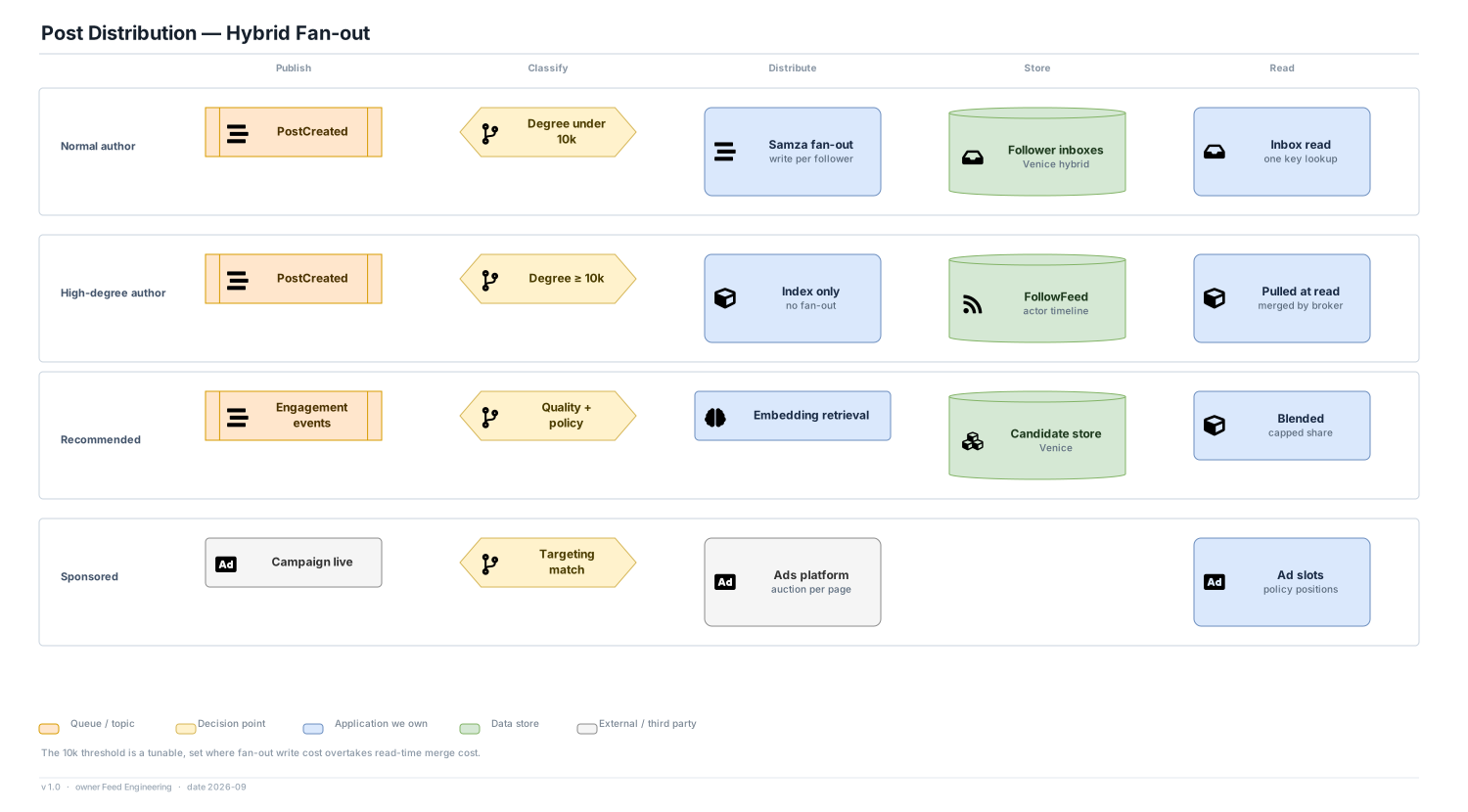
- Normal authors fan out on write: Samza makes one write per follower into a capped Venice inbox
- High-degree authors never fan out. Their posts stay in FollowFeed and are pulled at read time
- Recommended and sponsored candidates run in separate lanes, so their share of the feed is set by policy, not by a side effect of storage
What LinkedIn actually does
- LinkedIn's published FollowFeed design is pull-based: timelines keyed by actor, merged at request time (LinkedIn, 2016)
- The write-time inbox is here because the requirement asks for the hybrid, and because it caps read cost for members who follow thousands of actors
- The 10k-follower threshold is an assumption, to be tuned from the write-cost and read-cost curves
Risks
- A member who crosses the threshold must move lanes without duplicating or dropping posts; the broker dedupes by post URN
- Fan-out lag during a spike delays normal authors' reach, so lag is an SLO on the fan-out job