LinkedIn Professional Network · View 01 of 30 · 1 · Context and scope
Scope decisions
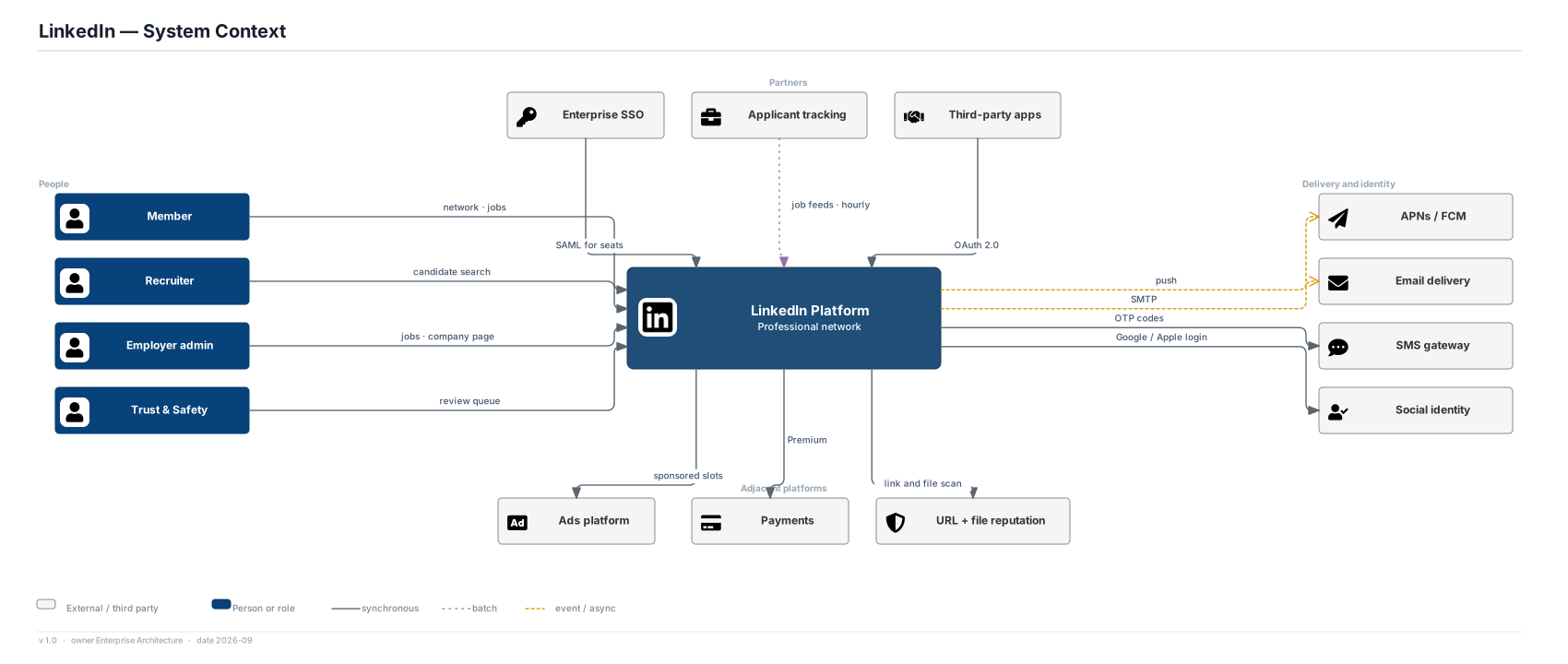
- The platform owns identity, profile, graph, content, feed, search, messaging, jobs, notifications, media and moderation: the thirteen boundaries the requirement names
- The Ads platform, Sales Navigator and Learning are adjacent products. The feed calls the ad server for sponsored slots, but campaign management and billing are a separate architecture
- Partners reach the platform only through versioned OAuth APIs; no partner reads a Kafka topic or a database
Scale taken as given
- 1.2B members (LinkedIn Q4 FY25 highlights, July 2025); LinkedIn's newsroom now says 1.3B+, undated
- 270 billion graph edges served at 2 million queries a second (LinkedIn engineering, 2023)
- 7 trillion Kafka messages a day across 100+ clusters (LinkedIn engineering, 2019): an order of magnitude, not a current count
Assumptions
- Planning volumes beyond the published figures: 400M monthly actives, 8M posts and 100M messages a day, 250k feed requests a second at peak
- Member data stays in LinkedIn-run colos. Azure serves the edge and burst workloads, which is how LinkedIn describes its estate since pausing the full migration in 2022
- Push, email and SMS each have a second provider, except APNs and FCM, which have no substitute