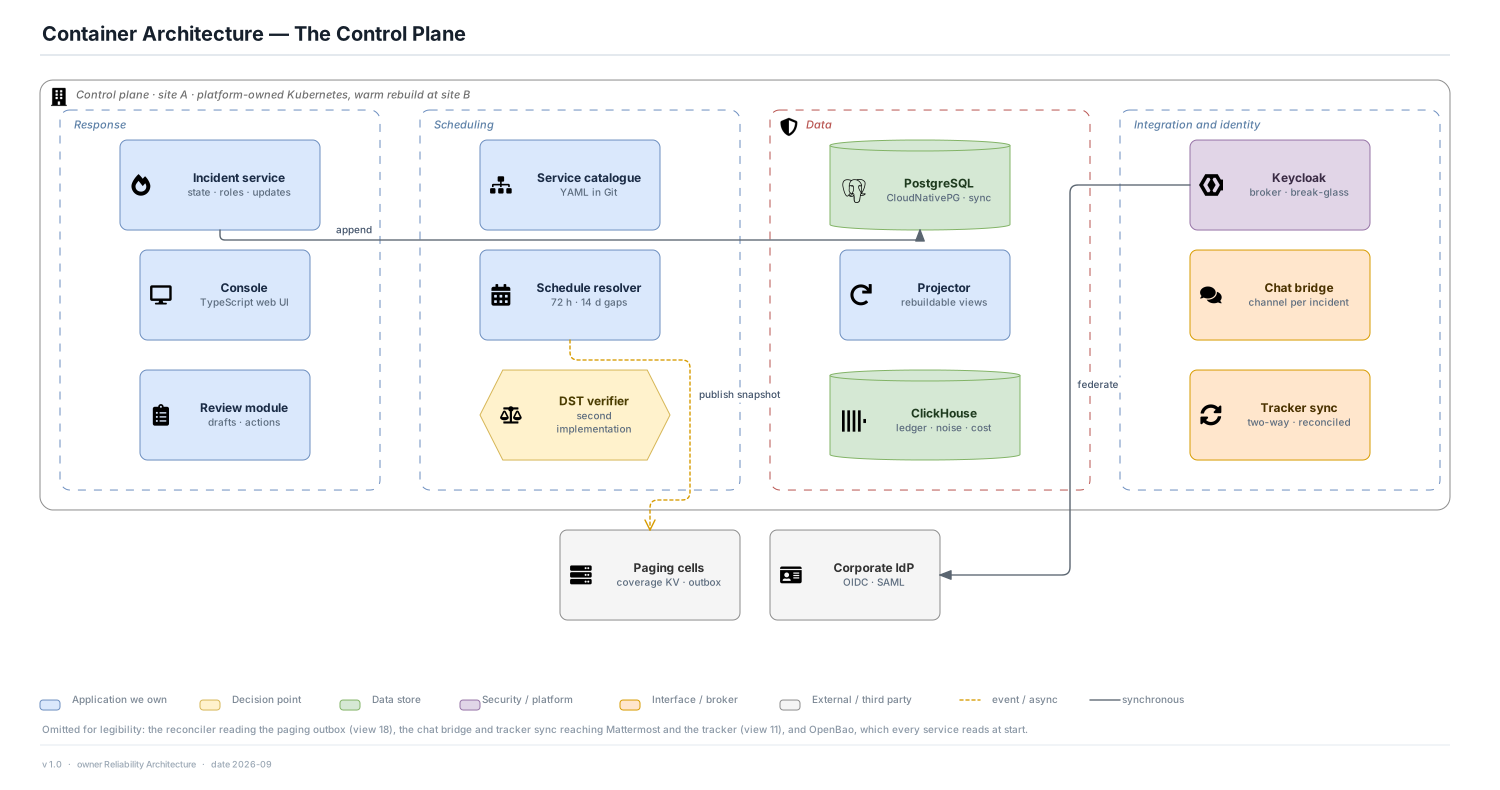
Incident Management Platform · View 10 of 34 · 3 · Structure
Decisions
- Single-site with a warm rebuild, not active-active. The requirement gives the control plane a 15-minute RTO, and a hot second control plane buys nothing the requirement asks for while doubling what has to be kept consistent (ADR-03).
- A platform-owned cluster rather than the shared estate clusters. It costs one more small cluster to run; it means a Kubernetes incident in the estate cannot take the console with it at the moment responders need it.
- The DST verifier is a second, independent implementation of schedule resolution. Two resolvers that agree are much harder to fool than one resolver with good tests (ADR-15).
Targets
- Control plane ≥ 99.9% monthly, RTO ≤ 15 minutes. Console incident list p95 ≤ 1,500 ms. Event log RPO ≤ 5 s, met in practice at 0 by synchronous replication to site B.
Risks
- A warm rebuild that is never exercised is a hope. The site-B rebuild runs quarterly from the manifests and the standby, timed, with the result published.