File Upload & Scanning Pipeline · View 15 of 21 · Runtime
The invariant
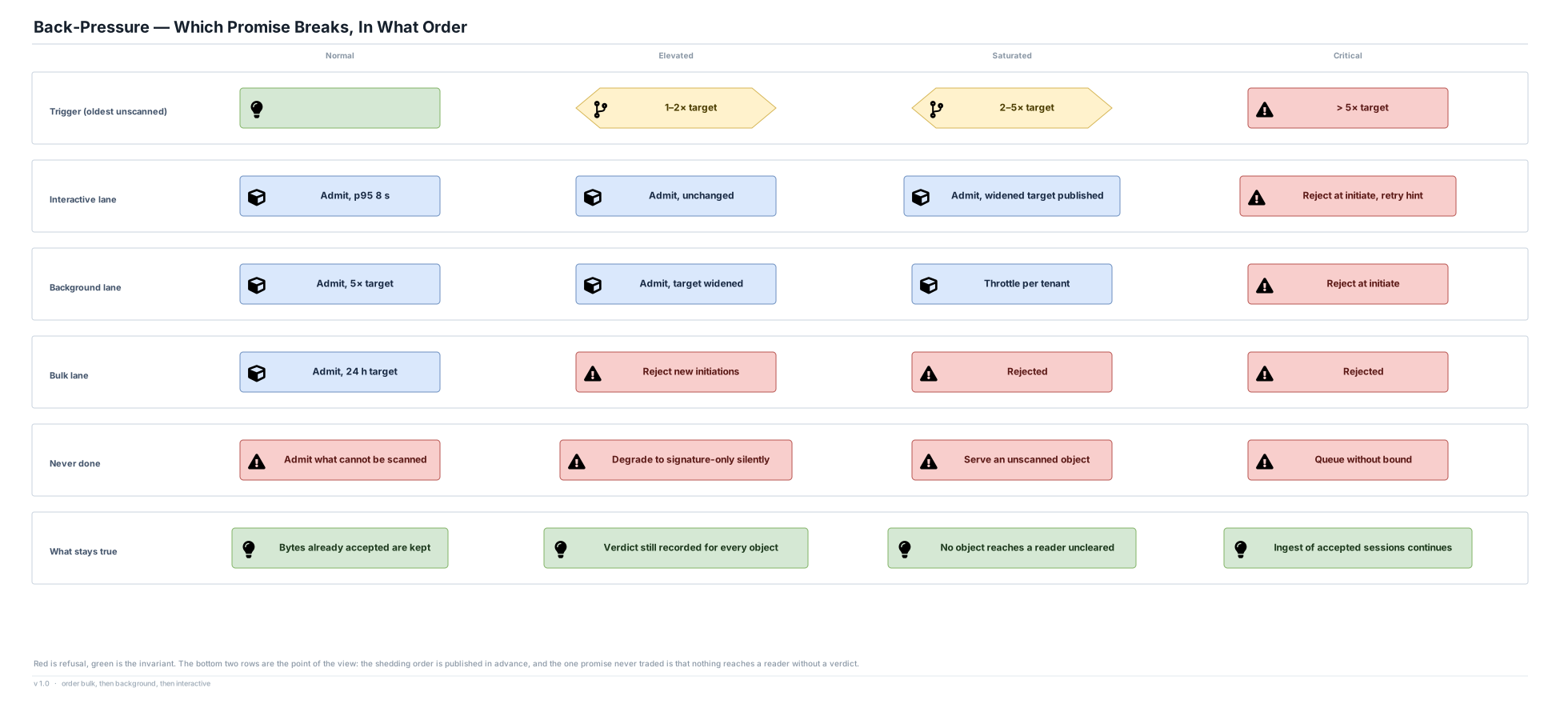
- Nothing reaches a reader without a current verdict. That holds in every column, including Critical, and it is the only promise with no degraded mode.
- Bytes already accepted are always kept: the platform never discards an upload it acknowledged, however deep the backlog
- Every object still gets a verdict recorded — shedding changes what is admitted, never what is forgotten
Decisions
- The shedding order is published in advance, lane by lane: bulk refuses first, then background throttles, then interactive is rejected at initiation
- Widening a published verdict target is a declared degradation with a number, not a silent slide — the response says what the target now is
- Rejection happens at initiation, where it costs the client nothing, and never after bytes have been transferred
What is never done
- Admitting bytes the platform has already decided it cannot scan within the declared target
- Degrading to signature-only scanning without saying so, which trades detection strength exactly when an attacker would want it traded
- Queueing without bound, which converts a capacity problem into an unbounded liability