Consent & Privacy Service · View 21 of 22 · Assurance
Decisions
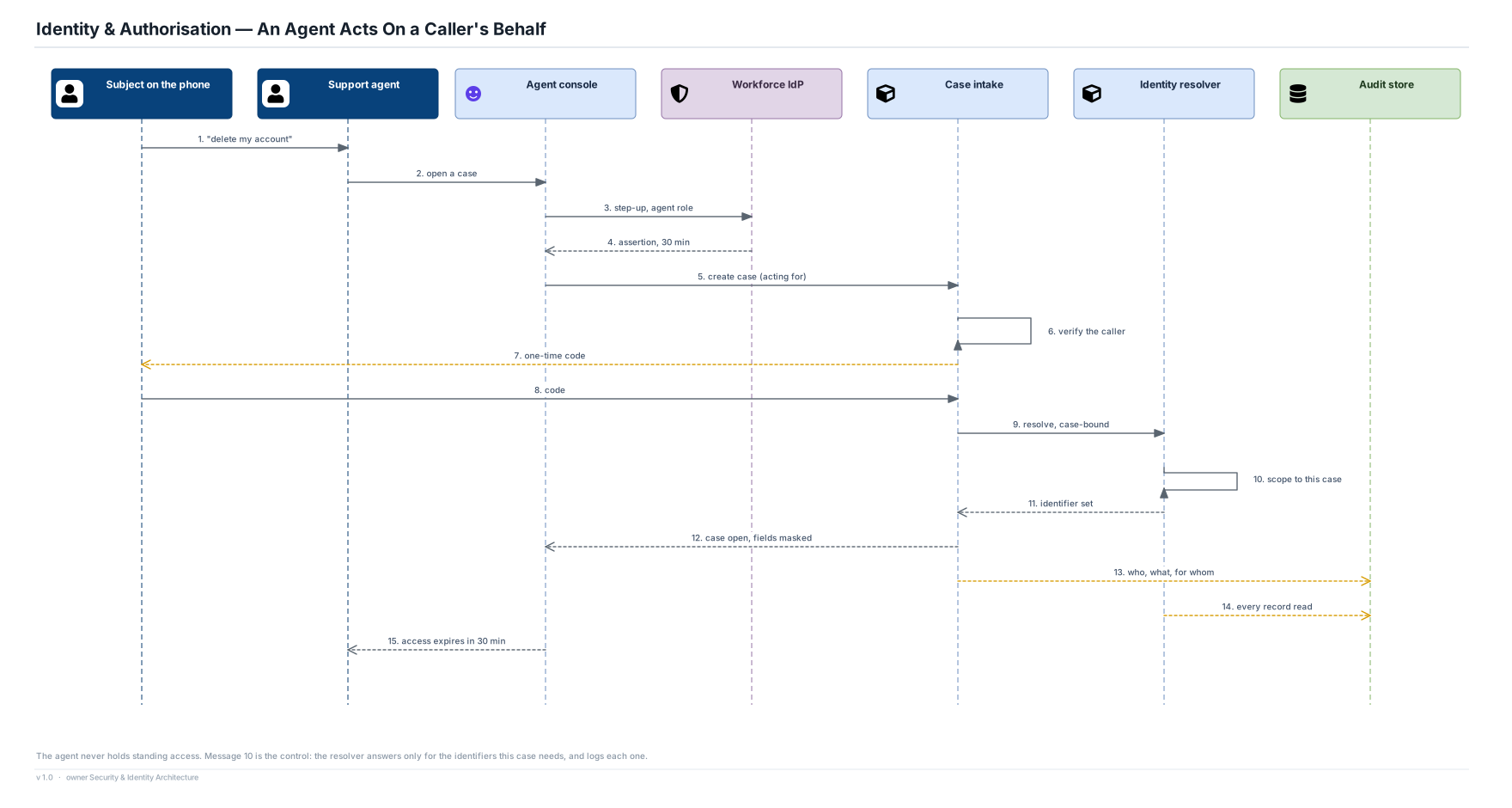
- Verification is proportionate to the request and recorded on the case: session authentication for a preference change, step-up and a one-time code to the subject for an erasure.
- Message 10 is the control: the resolver scopes its answer to this case's needs and audits each record read. The agent sees a case, not a person's graph.
- The agent's own authorisation is a 30-minute assertion naming the role and the case. Nothing here grants standing access to anything.
Assumptions
- Workforce identity federated into a case-bound role; the agent console shows masked fields by default.
- Every caller is a workload identity bound to a registered system and may evaluate only the purposes it is registered against.
Risks
- A social-engineered agent is the most likely route to a wrongful erasure. The one-time code to the subject is the control, and it is the step most likely to be waived under service-level pressure.
- Auditing every index read is a volume cost that will be questioned. It is the only evidence that the index was not browsed.