CI/CD Platform · View 10 of 22 · Data
Decisions
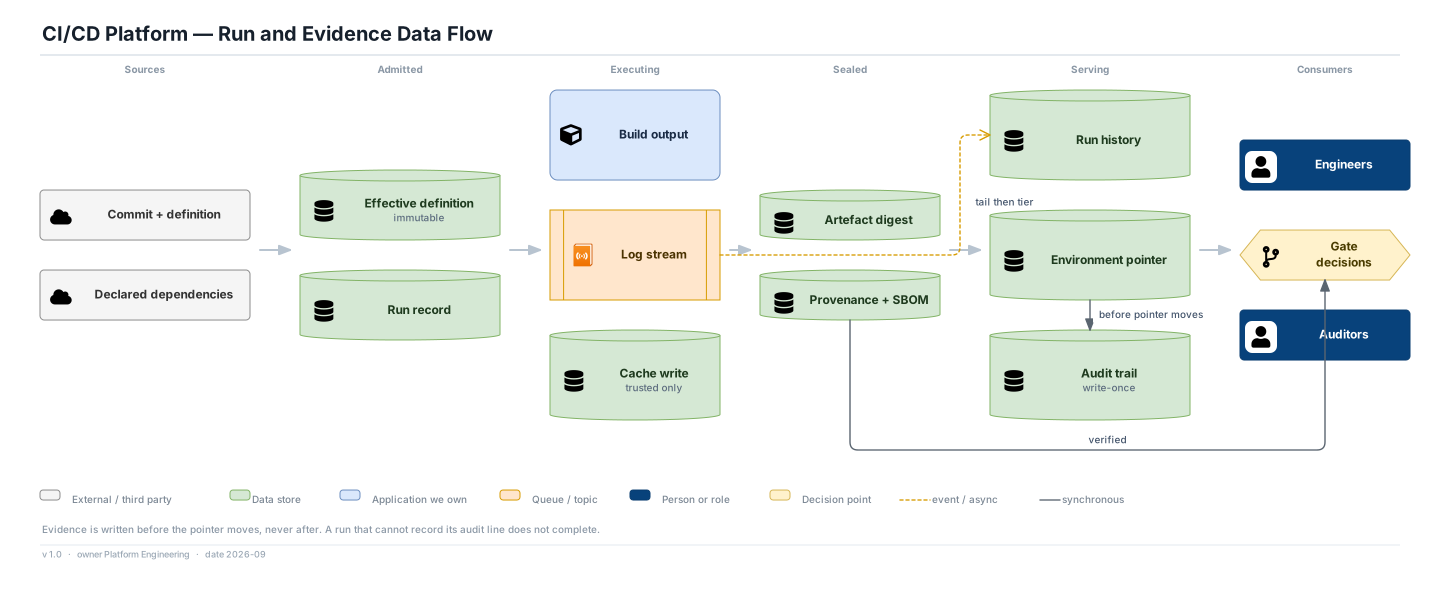
- The effective definition — templates expanded, digests pinned, parameters bound — is written as an immutable artefact of the run, because the repository that produced it is mutable and the run record must not be.
- Cache write is shown as a separate flow because only trusted runs perform it. That asymmetry is a data-flow fact, not a permission detail.
- The audit record is durable before the environment pointer moves. A run that cannot write its evidence does not complete.
Assumptions
- 6 TB/day of raw log output; 480 TB of retained artefacts growing 40%/year; 90 TB cache working set.
- Logs 14 days searchable, 90 days retrievable, 400 days cold for release pipelines only.
Risks
- Log volume is the fastest-growing cost in the set and the easiest to over-retain. Retention is set per pipeline class rather than globally for exactly that reason.