Chaos Engineering Platform · View 21 of 21 · Assurance
Decisions
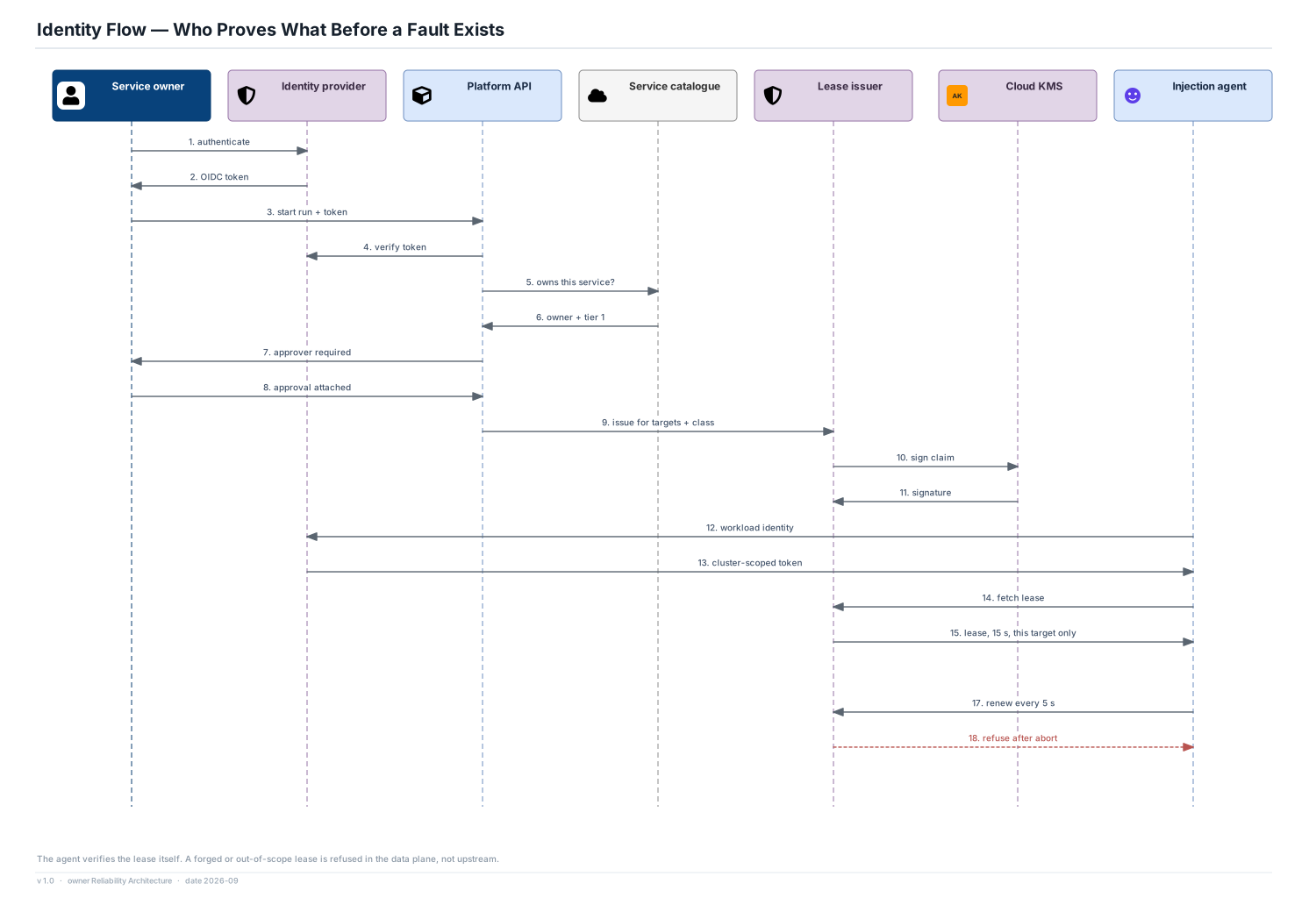
- The agent verifies the lease signature and scope itself. A forged or out-of-scope lease is refused in the data plane, not upstream, so a compromised control plane cannot widen a blast radius.
- Ownership is resolved from the service catalogue at run time, not cached in the platform, so a team's boundary changing takes effect on the next run.
- The lease issuer refuses renewal after an abort. Refusal, not revocation, is how permission ends.
Assumptions
- OIDC via the organisation's identity provider for humans; workload identity for agents; Cloud KMS for lease signing.
- Separation of duties: the author of a definition cannot be its sole approver.
What is not drawn
- Key rotation and the signing key's own lifecycle follow the platform's standard KMS pattern and are omitted; they do not change this flow.